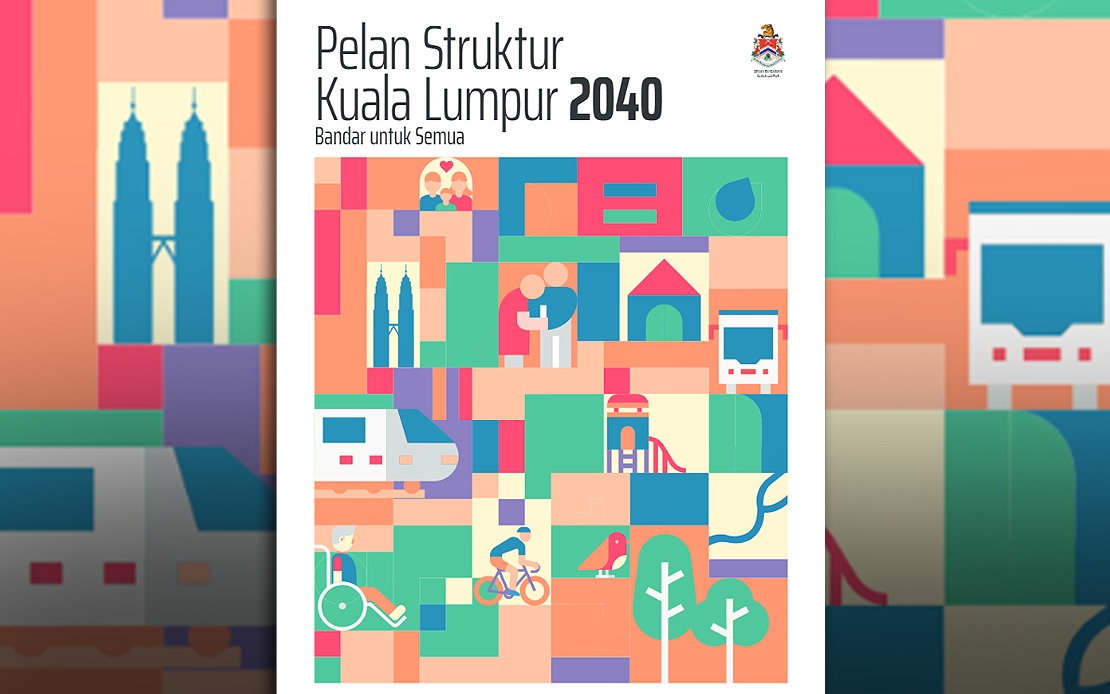
Kuala Lumpur City Hall (DBKL) has announced an extension to the application window for proposed changes to the Kuala Lumpur Local Plan 2040 (PTKL2040), moving the submission deadline to 5 pm on August 7. The decision reflects DBKL's recognition that registered landowners, developers, and other stakeholders require additional breathing room to assemble the requisite paperwork and craft compelling cases for their amendment requests.
The postponement addresses a common challenge in urban planning processes across Malaysia, where applicants often struggle to gather comprehensive documentation within tight timeframes. By extending the window, DBKL has signalled a more accommodating approach to the amendment process, though observers note this also reflects the complexity of preparing submissions that meet regulatory standards. The original deadline has been superseded to ensure applications arrive complete and properly structured, reducing the likelihood of rejections due to missing or incomplete materials.
Applicants seeking to modify provisions within PTKL2040 must submit a Letter of Intent accompanied by detailed supporting documentation. This submission package should articulate the rationale for the proposed amendment, include a precise location map or site plan, and furnish the most recent land title documentation for the affected property or properties. Such comprehensive requirements underline DBKL's commitment to transparency and thorough evaluation, though they also impose administrative burdens on applicants unfamiliar with planning procedures.
The amendment framework operates under Section 17 of the Federal Territory (Planning) Act 1982 (Act 267), the statutory bedrock governing development planning in Malaysia's capital. This legislative foundation grants DBKL authority to entertain modification proposals while maintaining oversight that protects broader urban planning objectives. The process thus balances flexibility for stakeholders with the need for coordinated, strategic growth management across Kuala Lumpur's expanding metropolitan area.
Submitting applications is straightforward in procedural terms. Applicants may deliver their materials in person to the director of the City Planning Department (JPRB) situated on Level 9 of Menara DBKL 1, Jalan Raja Laut, or transmit documentation through electronic mail. This dual-channel approach acknowledges varying preferences among developers and property owners while ensuring accessibility regardless of geographic constraints. The accessibility measures reflect contemporary administrative best practice and remove unnecessary impediments to participation in the planning process.
Certain applicants may discover that their proposed amendments necessitate preparation of a Local Plan Amendment Proposal Report (LCPPT). Should DBKL determine that such a report is warranted based on the scope and complexity of the proposed changes, affected applicants will be notified of their obligation to engage a Registered Town Planner to prepare this document. This requirement introduces an additional cost and timeline consideration for some developers, though it ensures that significant modifications receive expert technical scrutiny before DBKL's formal evaluation commences.
To facilitate smoother submissions, DBKL has made supporting documentation publicly available through the Kuala Lumpur Development Plan website. Prospective applicants can download both an Application Checklist and the Kuala Lumpur LCPPT Manual, enabling advance preparation and reducing uncertainty about what materials are necessary. This transparency represents a significant quality-of-life improvement for the development community, eliminating guesswork and enabling self-directed compliance with administrative requirements.
The extension period carries particular significance for Kuala Lumpur's ongoing urban evolution. The PTKL2040 framework structures development possibilities across the federal territory through 2040, making amendment approvals consequential for investors, builders, and landowners with strategic interests in specific locations. An extended application window therefore permits more thorough deliberation by applicants, potentially leading to higher-quality submissions that DBKL can evaluate more efficiently.
Stakeholders have been explicitly encouraged by DBKL to maximise the extension period by ensuring applications are submitted thoroughly and in proper order. This advisory suggests that incomplete or disorganised submissions, while technically receivable, may face complications during DBKL's assessment process. The implicit message underscores that temporal extension benefits only those who use it productively—a reminder that procedural windows, however generous, demand proactive engagement.
For Malaysian and Southeast Asian property markets, DBKL's flexibility signals a willingness to accommodate development interests within an orderly planning framework. This balancing act proves essential as Kuala Lumpur competes for international investment and talent against regional rivals such as Singapore, Bangkok, and Ho Chi Minh City. By demonstrating responsiveness to legitimate stakeholder concerns whilst maintaining planning discipline, DBKL reinforces confidence in Malaysia's investment environment.
The amendment process also illuminates broader questions about urban planning governance in Malaysia. As cities grapple with rapid urbanisation, changing economic priorities, and demographic shifts, the capacity to adjust long-term plans through transparent, accessible processes becomes increasingly valuable. DBKL's extension, though seemingly administrative, reflects institutional maturation in how Malaysia's premier city manages development pressures and stakeholder expectations.
Looking ahead, developers and property owners with potential amendment proposals should view the August 7 deadline as a genuine opportunity rather than a mere bureaucratic checkpoint. Thoroughly prepared submissions that clearly articulate amendments' public benefits and planning rationale are significantly more likely to receive favourable consideration than hastily assembled packages. The extended timeline thus rewards diligence and penalises complacency, a dynamic that should incentivise serious applicants to engage the process constructively.

