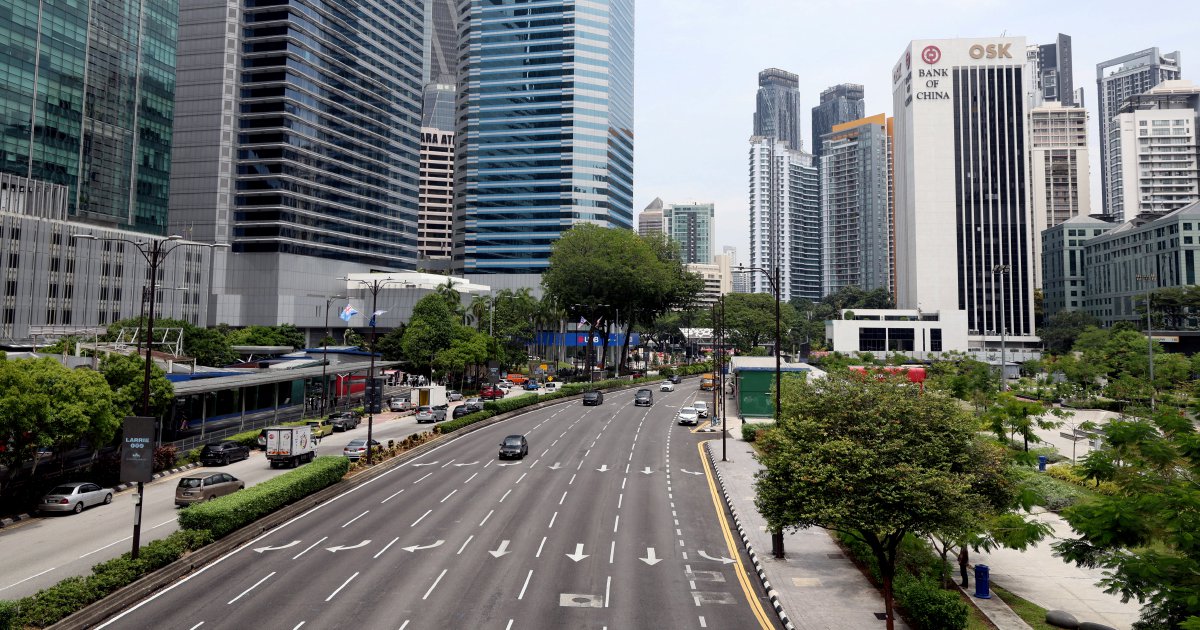
A deadly tree-fall incident in Kuala Lumpur has prompted the city's municipal authorities to mount an emergency assessment programme targeting ageing and unstable vegetation that threatens public safety. Kuala Lumpur City Hall, known locally as DBKL, has mobilised its technical teams to examine mature trees and those showing signs of structural weakness along the capital's primary road networks.
The incident marks a critical juncture for urban forestry management in Malaysia's largest metropolitan area. Cities across Southeast Asia have grappled with increasing incidents of falling trees, particularly during monsoon seasons when heavy rainfall destabilises root systems and saturated soil weakens structural integrity. Kuala Lumpur's response reflects growing acknowledgement that rapid urbanisation and climate variability demand systematic tree safety audits rather than reactive crisis management.
DBKL's investigation zeroes in on understanding what environmental, biological, and maintenance factors converged to cause the fatal collapse. Technical teams will likely examine soil conditions, root health, disease indicators, and the quality of previous maintenance work. In tropical cities like Kuala Lumpur, fungal infections, pest damage, and heartwood deterioration often progress invisibly beneath bark, making professional arboricultural assessment essential. The findings could reshape how the city prioritises tree management spending and staff training.
The broader inspection initiative addresses a systemic vulnerability affecting Malaysian cities. Kuala Lumpur's sprawling road network features thousands of mature trees planted decades ago as part of urban beautification schemes, many now approaching the end of their safe lifespan. Without regular health monitoring, these trees transform from civic assets into hazards. The inspection will establish a baseline understanding of how many trees require remedial pruning, bracing systems, or removal to prevent future tragedies.
This episode carries implications for other major Malaysian cities facing identical challenges. Petaling Jaya, Shah Alam, and Subang Jaya maintain similar urban tree canopies with comparable aging populations. Should DBKL identify widespread structural problems, neighbouring municipalities may face pressure to conduct their own audits, potentially triggering substantial municipal expenditure. Insurance companies and property developers will likely monitor how authorities manage liability for injuries or deaths caused by falls from public trees.
DBKL's technical approach will probably involve consulting certified arborists and employing diagnostic tools such as resistograph testing, which measures internal wood density to detect decay. Established tree-risk assessment frameworks, developed in Australia and North America, guide such audits by categorising trees as low, moderate, high, or extreme risk. Kuala Lumpur may adopt these methodologies to create a transparent, defensible system for deciding which trees stay, which require intervention, and which must be removed.
The financial burden of addressing the inspection findings remains a key concern. Removing mature trees, installing support cables, and treating disease incurs significant costs, and DBKL's budget constraints may limit scope. However, the expense of litigation, emergency room treatment, and potential fatalities dwarfs preventive spending. This economic reality strengthens the case for sustained, adequately resourced tree safety programmes that treat vegetation management as essential infrastructure maintenance rather than discretionary amenity work.
Stakeholder coordination will shape programme effectiveness. DBKL must liaise with road maintenance divisions, utilities companies managing overhead lines, and landscape contractors. Tree health problems often stem from construction damage, soil compaction, or root severing during utility work. A holistic inspection framework should incorporate input from these stakeholders to identify and remediate root causes rather than simply removing symptomatic trees.
Public communication becomes critical as DBKL proceeds. Residents and motorists need clarity about which roads face temporary hazards, what safety measures remain active, and how authorities prioritise removal decisions. Transparent reporting builds public confidence and encourages residents to report visibly damaged trees to authorities. Conversely, poor communication fuels social media speculation and undermines trust in municipal competence during what remains an emotionally sensitive period.
The incident also highlights workforce capability gaps within Malaysian municipal authorities. Certified arboricultural expertise remains scarce across the public sector, limiting diagnostic capacity and decision-making quality. DBKL's investigation may catalyse investment in staff training, recruitment of qualified personnel, or partnerships with private arboricultural firms. Building technical depth within municipal teams creates lasting resilience beyond any single inspection cycle.
Looking ahead, this episode presents an opportunity for Kuala Lumpur to model best-practice tree management for Malaysian cities. If DBKL establishes a robust, publicly transparent assessment system, documents findings comprehensively, and implements evidence-based remediation strategies, it could establish a national template for urban forestry. Conversely, if the response remains ad hoc and underresourced, the incident risks fading into memory with insufficient systemic change until another tragedy forces attention.
The investigation's findings will ultimately shape Kuala Lumpur's urban landscape for decades. Decisions made now about which trees remain, which receive intervention, and how maintenance standards evolve will determine whether the capital maintains a verdant, safe canopy or progressively loses the shade, air quality, and aesthetic benefits that mature trees provide. This technical probe, therefore, represents far more than routine municipal housekeeping—it reflects fundamental choices about how Malaysia's premier city balances urban greenery with public safety.

