Kuala Lumpur City Hall (DBKL) has launched a comprehensive overhaul of its administrative systems and governance structures, implementing 16 separate reform initiatives over the past six months in response to a damning anti-corruption assessment. The urgency of the turnaround reflects serious institutional failures identified in the 2025 Local Authority Star Rating System, where the city authority achieved just 0.08 per cent out of a possible 5 per cent allocation for the Public Service Corruption Ranking—a result that triggered decisive remedial action across multiple departments.
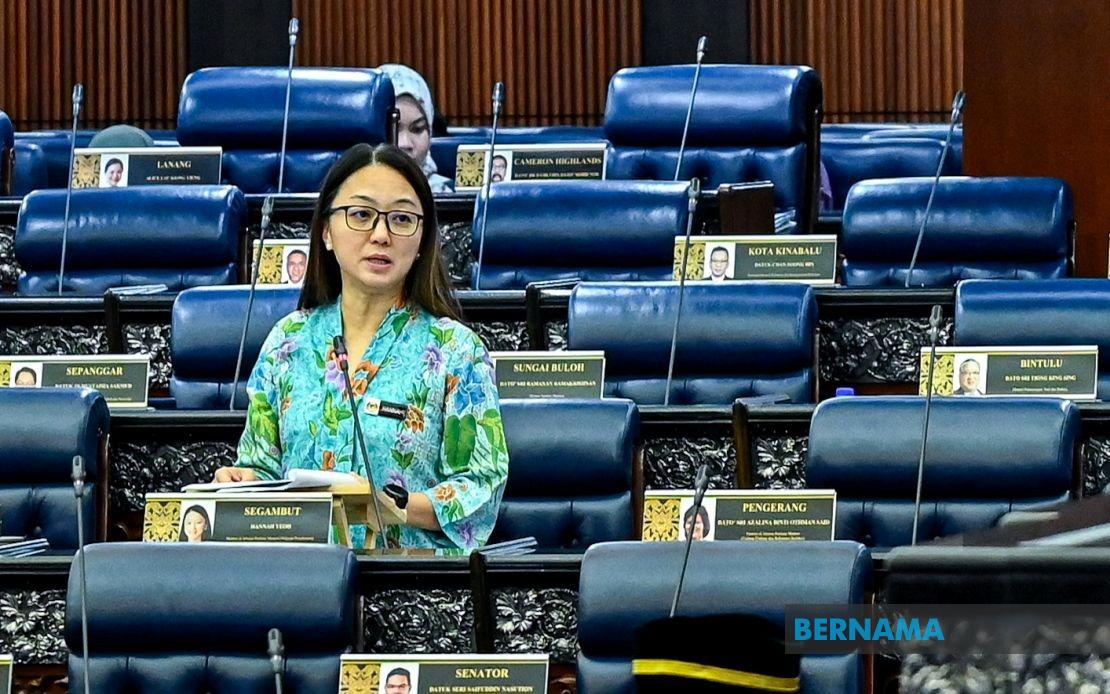
Minister in the Prime Minister's Department (Federal Territories) Hannah Yeoh disclosed the scope of the crisis during parliamentary question time, explaining that the poor performance prompted DBKL's leadership to recognise the magnitude of governance deficiencies and commit to systemic change. The audit revealed vulnerabilities across five critical operational areas, each presenting compliance and integrity risks. These encompassed mismanagement in radio studio broadcast content production projects, inconsistent governance of Ramadan Bazaar site allocation and management, inadequate oversight of business licensing service contracts, structural problems with the Malaysian Statutory Bodies Association Sports Championship administration, and weaknesses in rental collection procedures for public housing schemes under DBKL's remit.
The assessment findings emerged from research conducted by the International Islamic University Malaysia (IIUM) following a March 2 engagement session with Members of Parliament representing Kuala Lumpur constituencies. The study identified four principal reform directions needed to rebuild institutional integrity and operational effectiveness. Rather than treating these recommendations as advisory, DBKL opted for immediate implementation of corrective measures designed to address fundamental governance gaps and restore public confidence in the authority's decision-making processes.
A critical structural change involved dismantling the Special One Stop Centre (OSC) Committee, a move designed to eliminate potential political interference in planning approvals and development decision-making. This reflects growing concern across Malaysian public administration about the concentration of discretionary power in single committees vulnerable to external pressure. Complementing this removal of centralised authority, DBKL has expanded transparency by granting all Federal Territory MPs direct access to the OSC 3.0 Plus Portal, enabling elected representatives to examine development applications and lodge formal objections with the mayor before administrative approvals proceed.
Financial controls have been substantially tightened through implementation of a mayoral spending cap set at RM3,000. Contributions or commitments exceeding this threshold now require formal Top Management Committee approval, preventing unilateral disbursements that might circumvent accountability mechanisms. This represents a meaningful constraint on executive discretion compared to previous practice, addressing patterns where individual officials wielded excessive authority over public resource allocation.
DBKL has also established three new oversight bodies to strengthen institutional checks and balances. The Audit Committee, now chaired by an independent member rather than the mayor, provides enhanced scrutiny of financial and operational decisions. A dedicated Governance and Integrity Committee monitors compliance with ethical standards across all departments, whilst a Mayor's Contributions Committee formalises the process for approving charitable donations and discretionary expenditures. These structural additions reflect international best practice in local government accountability, introducing separation of powers that minimises conflicts of interest and elevates decision-making from individual preference to collective institutional responsibility.
Operational transparency has been enhanced through implementation of body-worn cameras for enforcement officers, rolling out from the fourth quarter of this year in phases. This initiative, increasingly adopted by Malaysian enforcement agencies, creates documentary evidence of interactions between officials and the public, reducing opportunities for corruption and providing objective records should disputes arise over conduct or procedure. Simultaneously, DBKL has introduced mandatory job rotation for personnel in sensitive positions, preventing entrenched networks and limiting the personal relationships that facilitate corruption.
The authority's digitalisation strategy represents perhaps the most transformative reform pathway. As of July, DBKL had operationalised 170 online application services, with a target of 180 end-to-end services by year's end. The aspiration to achieve fully digital processing for all applications by 2030 responds to contemporary governance challenges—online systems reduce opportunities for intermediaries and corrupt facilitation while creating auditable transaction records. The newly operational e-Lesen digital licensing system exemplifies this approach, eliminating reliance on intermediary "runners" who historically extracted unofficial fees and creating seamless integration with the Departmental Enforcement System (SPJ).
Licensing renewal procedures themselves have been reformed, with the new three-year validity period commencing July 1 substantially reducing administrative friction for licence holders. This extension acknowledges that excessive renewal frequency creates opportunities for officials to demand expedited processing fees or other informal payments. By lengthening validity periods and streamlining processes, DBKL reduces occasions for corrupt transactions whilst improving the business environment for traders who rely on DBKL approvals.
These reforms carry implications extending beyond Kuala Lumpur's municipal administration. Local authorities across Malaysia operate under similar governance frameworks, and weaknesses identified in DBKL's systems likely reflect systemic issues affecting multiple city councils and municipal corporations. The Public Service Corruption Ranking mechanism itself, introduced through the 2025 Star Rating System, signals heightened official scrutiny of local government performance on integrity metrics. Other authorities may face equivalent pressures to demonstrate measurable improvements in anti-corruption compliance, potentially catalysing similar overhauls across the country's local government tier.
The transformation from individual-centred decision-making to institutional governance-based systems represents cultural shift as much as procedural change. Hannah Yeoh's emphasis on relocating authority from the mayor's discretion to collective committee decision-making indicates recognition that personalised administration enabled corruption by concentrating accountability-evading power. By institutionalising checks, mandating documentation, and widening participation in significant decisions, DBKL aims to embed integrity within operational routines rather than relying on individual ethical standards.
The sufficiency of these 16 measures remains to be demonstrated through subsequent corruption audits and public service satisfaction assessments. Institutional reform typically requires sustained commitment beyond initial implementation to become embedded in daily practice and culture. Nevertheless, the breadth and specificity of DBKL's response—addressing procurement, finance, licensing, enforcement, and decision-making processes simultaneously—suggests a serious institutional commitment to fundamental transformation rather than superficial compliance gestures.

