A Moroccan man's death while being apprehended by Italian police has triggered a serious diplomatic incident and widespread public unrest, with both the Moroccan government and Italian leadership demanding answers about the circumstances surrounding the fatality. Morocco's government has formally called for a comprehensive clarification of events, signalling the gravity with which Rabat views the incident, while Italian Prime Minister Giorgia Meloni stated on Tuesday that investigators must pursue the matter "to the truth right to the end."
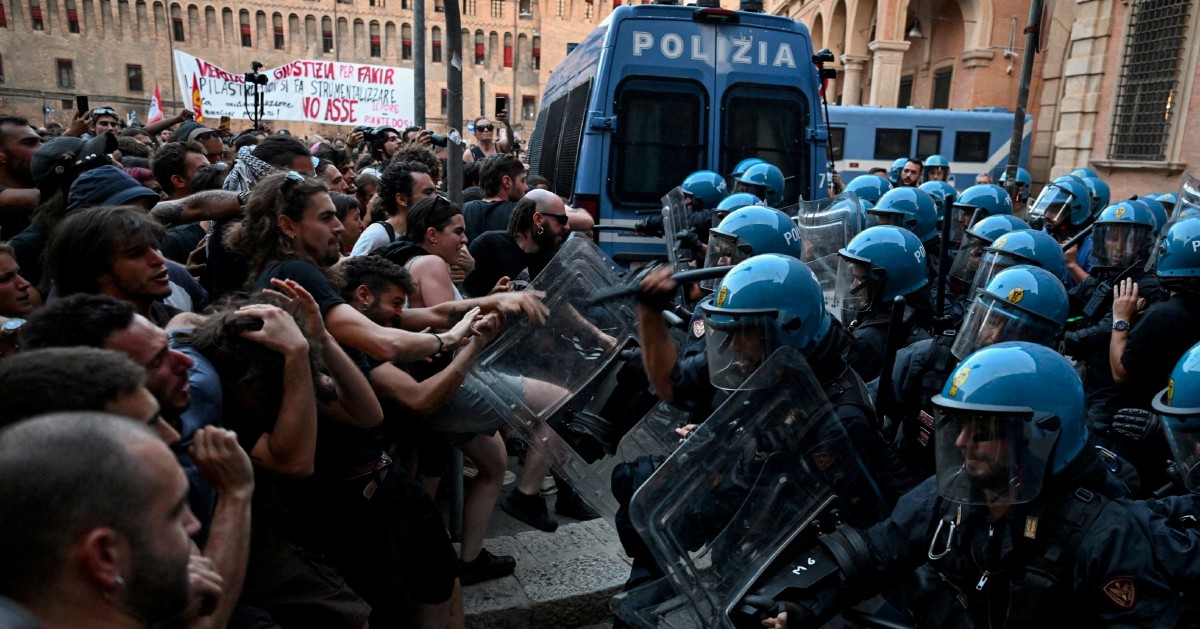
The incident has ignited protests in Italy, reflecting deep concerns about police conduct and the treatment of migrants and minorities in custody. Public anger over the death has mobilised demonstrators who view the case as emblematic of broader systemic issues within law enforcement. The speed with which protests materialised underscores how such incidents resonate with segments of the Italian population concerned about accountability and human rights protections.
Meloni's statement, whilst calling for full transparency, also represents the Italian government's attempt to navigate a delicate situation that threatens relations with Morocco, a significant Mediterranean neighbour and partner. Italy has long balanced immigration policy with maintaining diplomatic ties across North Africa, and incidents like this pose challenges to that equilibrium. The Prime Minister's emphasis on determining "the truth" suggests official recognition that public confidence in the investigation depends on perceived impartiality and thorough examination of all facts.
Morocco's demand for clarification carries weight given the country's role as a key partner in Italian and European migration discussions. Bilateral relations between Rome and Rabat extend across security, trade, and border management, making it essential that Italy demonstrate commitment to a credible investigation. Any perception of cover-up or inadequate scrutiny could strain these broader relationships and provide ammunition to critics who argue that European nations do not apply equal standards to cases involving migrant or minority populations.
The death during arrest raises questions that extend beyond this single case. Italian police procedures during apprehensions, particularly involving foreign nationals, have come under periodic scrutiny from human rights organisations. The European Union itself has repeatedly called on member states to ensure that arrest procedures respect fundamental rights and that training and oversight mechanisms prevent excessive force. This incident provides another data point in ongoing debates about policing standards across Italy.
For Malaysian and broader Southeast Asian observers, this situation illustrates how law enforcement incidents in developed democracies can quickly become international concerns when they involve foreign nationals. Malaysia, with substantial diaspora communities across Europe and Middle East, regularly monitors cases involving its citizens abroad and has itself faced international scrutiny over police procedures. The Moroccan government's assertive stance in demanding clarity reflects how nations increasingly expect accountability when their citizens die in foreign custody, regardless of economic disparities between countries.
The timing of the incident, set against Italy's current political landscape under Meloni's government, adds complexity. The Prime Minister leads a coalition that includes parties with tougher stances on immigration and security. Critics may view how this administration handles the investigation as a test of whether it applies rigorous standards to police conduct or whether political considerations about migration and law-and-order messaging might influence the process. Public perception of impartiality will be crucial to maintaining confidence.
Protests in Italian cities reflect genuine anxiety about whether migrants and minorities receive equal protection under the law. Historical context matters here—Italy has experienced tensions between immigrant communities and law enforcement, and recurring high-profile deaths during police interactions have eroded trust amongst vulnerable populations. Each new incident compounds this deficit unless investigation and accountability are demonstrably comprehensive and result in meaningful consequences where wrongdoing is found.
The investigation's scope and methodology will determine whether it satisfies both domestic critics and international observers. Transparent processes, independent oversight, and clear timelines for findings are essential for legitimacy. Italian authorities understand that their handling of this case will be watched closely by other nations, international human rights bodies, and media outlets across Europe and beyond. A rushed or opaque investigation would likely intensify rather than resolve the controversy.
Morocco's measured but firm response—seeking clarification rather than immediately escalating diplomatically—suggests both nations recognise the need to manage the situation carefully. However, sustained public pressure could force each government's hand. Street protests in Italy and official statements from Rabat create momentum that investigators and policymakers must acknowledge. The challenge now lies in conducting a thorough, credible inquiry that addresses the legitimate questions surrounding how and why this death occurred, whilst rebuilding public confidence in institutions responsible for ensuring safety and upholding rights.

