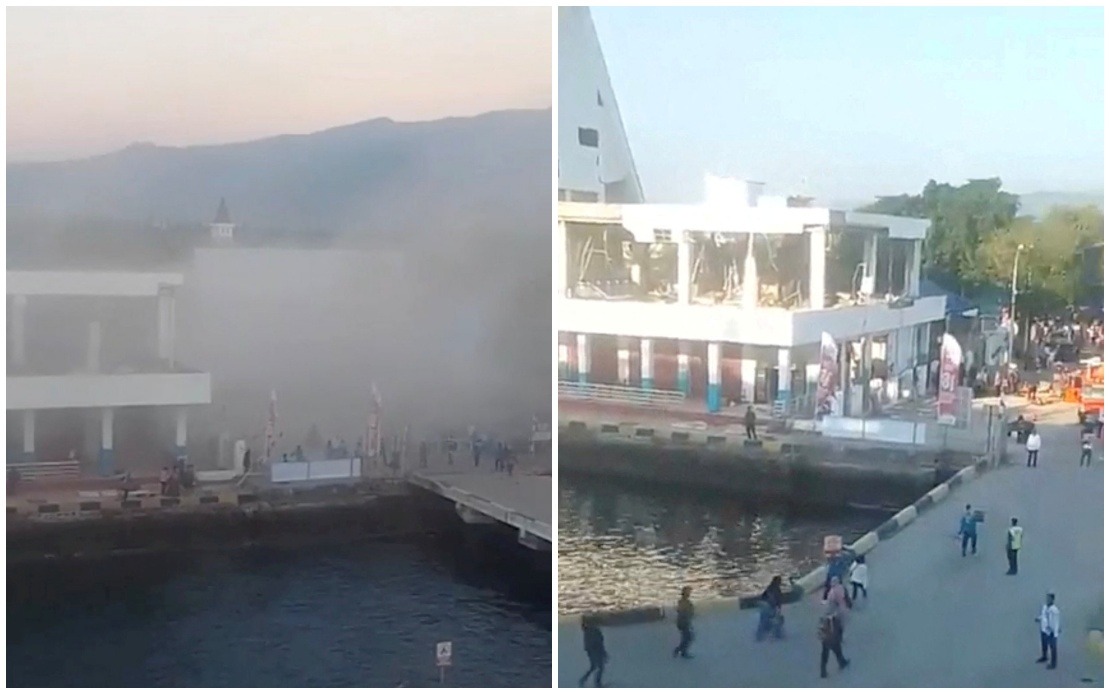
An earthquake measuring magnitude 7.7 has claimed at least 20 lives in eastern Indonesia, with the initial tremor and subsequent powerful aftershocks creating significant destruction across the Flores Island region. The catastrophic event, which struck in the early hours of Saturday, centred near Mbay town in Nagekeo Regency and immediately triggered widespread emergency response efforts from Indonesian authorities and international observers monitoring the situation.
According to Fathur Rahman, an official with the Maumere Search and Rescue Office, the confirmed death toll stands at 20, whilst six people have sustained injuries and two others remain unaccounted for beneath the rubble of collapsed structures. The toll reflects the severity of ground movement experienced across populated areas, though search and rescue personnel continue working through damaged zones to assess whether additional casualties may be discovered as clearance operations progress.
Melki Laka Lena, the governor of East Nusa Tenggara province, provided additional details about the physical devastation afflicting the region. Speaking at a press conference in Kupang, Lena indicated that residential buildings, commercial establishments, and critical infrastructure sustained considerable damage from the violent shaking. Road networks have been rendered impassable in multiple locations, with landslides triggered by the earthquake blocking key transport routes and complicating access for emergency vehicles attempting to reach affected communities.
Authorities acknowledge that their damage assessment remains incomplete, with officials still compiling comprehensive data to understand the full scale of destruction across the province. This incomplete picture reflects both the geographic dispersal of impacts and the challenges facing rescue coordinators working in areas where communications infrastructure may have been compromised by ground movement and aftershocks. The gaps in initial reporting also highlight how initial casualty figures often rise substantially as search operations penetrate more remote settlements.
Visual evidence captured by residents and shared across social media platforms revealed the horrifying moment of impact, with footage showing structural collapses reducing buildings to dust and debris clouds. Bystanders visible in these recordings demonstrated the terror experienced during and immediately after the main tremor, with panicked residents rushing into streets seeking refuge from falling materials and further ground movement. Such imagery underscores the unpredictability and violence of seismic events affecting densely populated areas.
The earthquake triggered immediate disruption to regional connectivity, with multiple airlines cancelling scheduled flights into East Nusa Tenggara province as a precautionary measure whilst authorities assessed airfield conditions and aftershock risks. This suspension of air services compounds the isolation facing communities in affected areas, particularly those requiring urgent medical evacuation or emergency supplies. The flight cancellations represent a secondary impact of seismic events that extends economic consequences beyond direct structural damage.
The Chinese Consulate General in Denpasar responded swiftly to the disaster, issuing formal guidance to Chinese nationals within its jurisdiction on Saturday morning. The advisory specifically cautioned tourists and residents in Labuan Bajo—a popular tourism destination in the region—to exercise heightened vigilance and maintain awareness of potential secondary hazards. Consulate officials urged individuals to monitor local emergency bulletins continuously and remain distant from coastal zones where tsunami waves might threaten safety.
Indonesia's Meteorology, Climatology and Geophysics Agency initially issued a tsunami warning following the main earthquake, reflecting standard protocols when offshore seismic events occur with sufficient magnitude to displace ocean water. This warning was subsequently lifted after initial assessment indicated that ocean conditions did not pose significant wave hazards. Nonetheless, the agency maintained strong recommendations that residents remain alert to the possibility of destructive aftershocks, recognising that major earthquakes commonly generate powerful secondary tremors capable of causing additional casualties and structural failures.
The disaster carries particular significance for Southeast Asian observers given Indonesia's geographic position within the Pacific Ring of Fire, where tectonic interactions generate frequent seismic activity. For Malaysia and neighbouring nations, such events serve as reminders of regional geological volatility and the importance of maintaining robust disaster preparedness frameworks. The Flores Island earthquake also demonstrates how even relatively distant seismic events can create ripple effects through air transport, tourism economies, and cross-border diplomatic coordination.
Rescue operations continued throughout the weekend with teams working to locate additional survivors and establish clearer casualty counts. As emergency personnel gained access to previously inaccessible areas, officials anticipated that casualty figures would likely increase before stabilising, a pattern observed consistently following major earthquakes. International disaster assistance mechanisms remained available should Indonesian authorities determine that external support would facilitate response efforts, though initial indications suggested domestic resources were being mobilised effectively.
The broader implications of this disaster extend beyond immediate humanitarian concerns to encompass questions about building standards, early warning systems, and evacuation protocols in seismically active regions. Indonesia's frequent exposure to earthquakes necessitates continuous investment in disaster risk reduction infrastructure, community preparedness education, and construction standards that enhance structural resilience. The Flores Island earthquake adds to Indonesia's historical record of seismic events that have repeatedly tested emergency management systems and revealed vulnerabilities requiring ongoing attention from policymakers and engineers.

