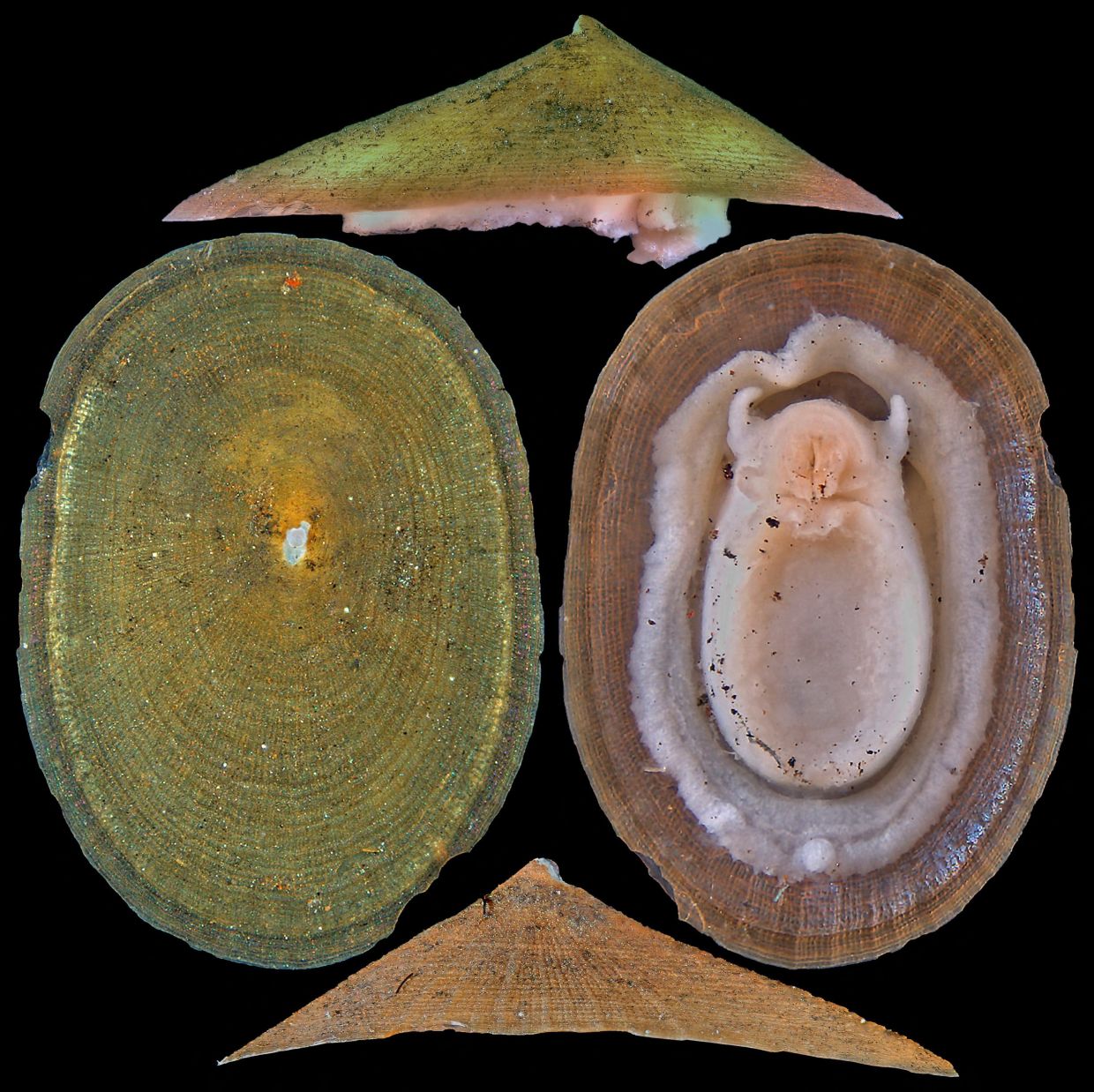
The International Union for the Conservation of Nature has sounded a fresh alarm about the vulnerability of deep-sea creatures, revealing that more than three-fifths of the world's mollusc species dependent on hydrothermal vents now face extinction risk from mineral extraction operations. According to the latest update to the IUCN Red List of Threatened Species, released on Thursday, 62 percent of endemic hydrothermal vent molluscs – representing 125 out of 201 species identified globally – are endangered by deep-sea mining activities conducted to retrieve valuable minerals from the ocean floor.
The IUCN's comprehensive assessment, which has expanded to encompass 175,909 species in its current edition compared with 172,620 previously, underscores the accelerating pace at which human activities are encroaching on previously remote and pristine environments. Within this vast catalogue, 49,505 species now carry a threatened status, an increase from 48,646 in the preceding version, illustrating a troubling trajectory in global biodiversity decline.
The mollusc species under threat inhabit some of the most inhospitable conditions on the planet, residing at depths reaching 5,000 metres below sea level in the vicinity of hydrothermal vents that discharge superheated water exceeding 450 degrees Celsius. This unusual fauna includes snails, limpets, mussels, clams and chitons – creatures that have evolved remarkable physiological adaptations to thrive in total darkness, extreme pressure, and caustic chemical environments where conventional life should not exist. Paradoxically, despite their extreme specialization, many of these species have only entered scientific knowledge within the past decade, meaning they face the prospect of extinction before humanity has even begun to understand their biological significance.
The mechanism by which deep-sea mining poses such an acute threat to these organisms relates to the physical disruption of their habitat. The extraction process generates substantial sediment plumes that descend through the water column, effectively smothering the molluscs and interfering with their capacity to extract nutrients from the chemically rich water surrounding the thermal vents. These plumes represent an invisible but devastating form of habitat destruction that can render areas unsuitable for life across vast distances.
Julia Sigwart, who chairs the IUCN mollusc specialist group, characterizes the situation as a defining moment for the future of these organisms. She emphasizes that molluscs represent one of the most severely imperiled animal groups currently facing extinction pressures, a distinction underscored by the fact that destruction is occurring in habitats humans have only recently begun exploring. The urgency of her warning reflects the reality that conservation windows for newly discovered species are extremely narrow, with some species potentially vanishing before meaningful protection can be implemented.
The IUCN's institutional position on this matter was formally established in 2021, when the organization voted to endorse a moratorium on deep-sea mining pending the development and implementation of effective marine environmental protection measures. This stance reflects recognition that current regulatory frameworks remain inadequate to manage the complex ecological consequences of extracting minerals from the ocean floor, particularly in areas of such extreme biological significance.
Grethel Aguilar, who leads the IUCN, frames the broader context of this crisis in terms that emphasize the paradox of modern conservation challenges. She notes that Earth's most remarkable creatures – those species that have evolved to survive in Earth's harshest environments – now find themselves vulnerable precisely because increasing human resource demands encroach upon even the most remote and previously untouched corners of the biosphere. This observation highlights a fundamental shift in conservation paradigms, where protection of biodiversity can no longer rely on the assumption that isolated ecosystems will remain beyond human reach.
Beyond deep-sea molluscs, the updated Red List documents conservation successes and setbacks across diverse species globally. The desert rain frog, a species that has achieved popularity on social media platforms, has experienced a concerning downgrade in conservation status from near threatened to vulnerable. This shift reflects intensifying pressure from diamond mining operations and infrastructure development associated with energy production along the west coast of southern Africa, spanning the border region between South Africa and Namibia. Population models suggest that without immediate conservation intervention, the species will experience a 20 percent decline across the next ten years.
In a contrasting narrative, Australia's numbat represents a genuine conservation achievement worthy of examination. This small marsupial, also known by the colloquial term banded anteater, has improved from endangered status to near threatened through coordinated long-term protection efforts. Population estimates now range between 2,000 and 3,000 individuals, a remarkable recovery from the mere hundreds that survived in the 1970s before comprehensive conservation and captive breeding programmes were implemented.
John Woinarski, co-chair of the IUCN's Australasian marsupial and monotreme specialist group, uses the numbat's recovery as evidence that sustained, strategically directed conservation effort yields demonstrable results even for species on the brink of extinction. His analysis carries particular relevance for the Southeast Asian region, where numerous endemic species face similar threats from habitat destruction and invasive species. The numbat's example underscores that failure to maintain vigilant protection efforts would result in Australia's remaining small marsupials and native rodents succumbing to predation by introduced cats and foxes – a cautionary tale for any biodiversity hotspot where invasive species management has been deprioritized.
For Southeast Asian policymakers and conservation practitioners, these global assessments carry direct implications. The region's own deep-sea ecosystems, along with its terrestrial and freshwater environments, contain species of extraordinary rarity and endemism. The IUCN's findings regarding hydrothermal vent molluscs suggest that if mineral extraction ventures proceed in Southeast Asian waters without adequate environmental governance, similar patterns of biodiversity loss would emerge. Simultaneously, the numbat's recovery demonstrates that investment in strategic, long-term conservation produces measurable benefits that justify the resource commitment required.

