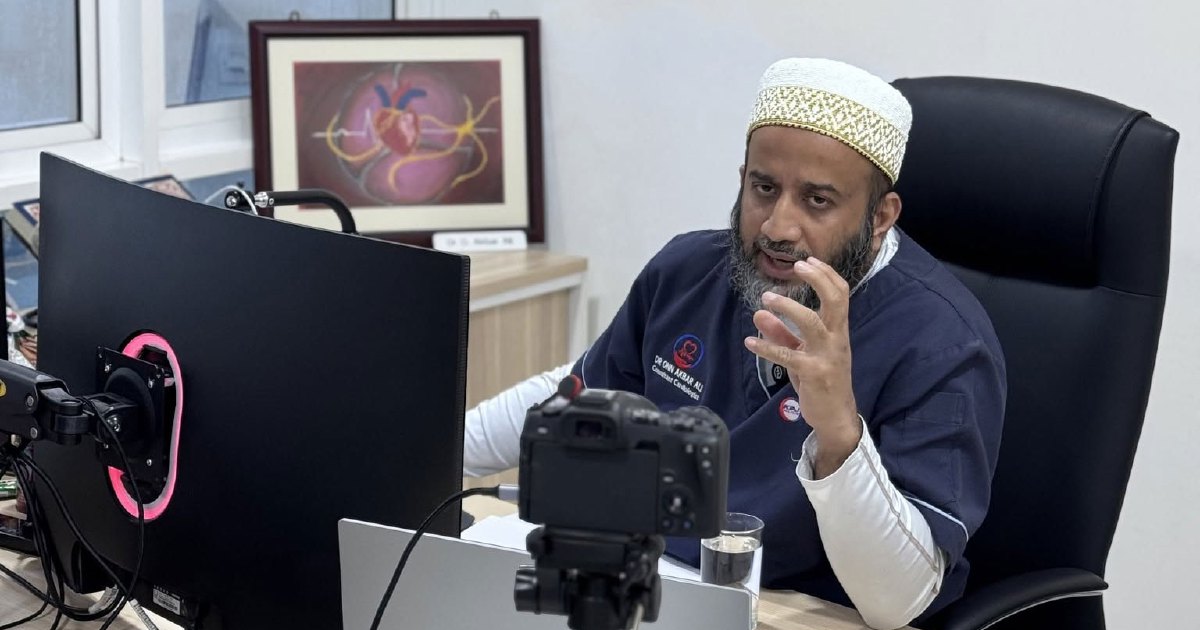
A Malaysian consultant cardiologist was startled to find synthetic videos circulating online featuring his face and voice, falsely endorsing herbal tea as a cure for diabetes. The discovery by Dr Onn Akbar Ali underscores an escalating menace threatening both medical professionals and vulnerable patients across the region: the weaponisation of deepfake technology to perpetrate health-related fraud.
The incident involving Dr Onn Akbar Ali represents more than an isolated case of identity theft. It signals a troubling trend where artificial intelligence tools—once considered science fiction—have matured sufficiently to create convincing impersonations of respected medical figures. These synthetic videos leverage the credibility and trust that patients place in qualified doctors, weaponising professional reputation to market dubious products lacking scientific validation. Diabetes sufferers, already burdened by chronic illness management, become particularly susceptible to such deception when encountering what appears to be specialist endorsement.
The implications for Malaysia's healthcare ecosystem are multifaceted. Patients who stumble upon these fraudulent videos may abandon evidence-based treatments in favour of unproven herbal remedies, potentially worsening their medical conditions. Beyond individual harm, the proliferation of such content erodes public confidence in the medical profession itself. When patients cannot reliably distinguish authentic medical guidance from fabricated endorsements, they face impossible choices regarding their health and wellbeing.
For medical professionals like Dr Onn Akbar Ali, the consequences extend beyond reputational damage. Deepfake videos can expose doctors to legal liability if patients suffer adverse outcomes after following false guidance attributed to them. The emotional toll of discovering one's image weaponised without consent adds another layer of distress. Furthermore, regulatory bodies may face inquiries from concerned patients, consuming investigative resources and complicating professional disciplinary processes.
The technology enabling these scams has become democratised. Commercial deepfake creation tools now require minimal technical expertise and are accessible to anyone with internet access and malicious intent. Whereas such video synthesis once demanded substantial computational resources and specialist knowledge, modern applications operate on consumer-grade hardware. This accessibility transforms deepfake creation from a niche technical capability into a mass-market fraud mechanism within reach of organised crime syndicates and opportunistic scammers alike.
Southeast Asia presents an attractive target for such health fraudsters. The region's large ageing population increasingly seeks remedies for chronic diseases, while health literacy remains variable across different demographics and education levels. Economic disparities mean substantial segments of the population cannot easily afford conventional medical care, making alternative treatments emotionally appealing regardless of evidence. Moreover, language diversity can complicate cross-border detection and enforcement, allowing criminals to operate across jurisdictions with relative impunity.
Regulatory frameworks across the region lag significantly behind technological capabilities. Malaysia's existing laws addressing fraud, defamation, and misrepresentation were designed for a pre-AI era. The speed at which deepfake videos spread through social media platforms far exceeds the pace of legal investigation and enforcement. Platform moderation, while improving, remains inconsistent and reactive rather than proactive. Videos can accumulate thousands of views before removal, amplifying their potential harm.
Medical councils and professional bodies are beginning to respond. Some have issued alerts cautioning patients to verify medical advice through official channels and to be skeptical of online endorsements. Specialists increasingly recommend that patients confirm any treatment recommendations by contacting the doctor's registered office directly. However, these countermeasures place the burden of verification on patients, many of whom lack the technical sophistication to identify deepfakes or may trust their eyes and ears over institutional warnings.
International cooperation presents one avenue for tackling this challenge. Countries across Asia share interest in protecting their medical professionals and citizens from AI-enabled fraud. Collaborative frameworks could establish rapid response mechanisms for reporting and removing fraudulent content, standardise deepfake detection protocols, and harmonise legal consequences for perpetrators. However, differing legal traditions and data protection standards complicate such coordination.
Technological countermeasures also hold promise. AI systems trained to detect synthetic media are improving, though they remain imperfect. Some platforms are implementing digital watermarking and authentication systems to verify authentic content. However, this arms race between deepfake creation and detection technology continues escalating, with creators often one step ahead of defenders.
The incident affecting Dr Onn Akbar Ali serves as a catalyst for broader awareness. Media coverage of such cases helps educate the public about deepfake risks while simultaneously pressuring platforms and authorities to strengthen protections. Professional associations can advocate for legislative reforms addressing AI-generated fraud specifically. Medical organisations across Southeast Asia would benefit from sharing incident reports and best practices for responding to deepfake impersonation.
Ultimately, this challenge demands a coordinated response spanning technological innovation, regulatory evolution, platform accountability, and public education. Malaysia's medical community cannot address this threat in isolation. As deepfake technology continues advancing and spreading through the region, the window for implementing protective measures narrows. Dr Onn Akbar Ali's experience, disturbing as it is, offers a valuable warning signal that Malaysia's healthcare sector must urgently prepare defences against synthetic media fraud.

