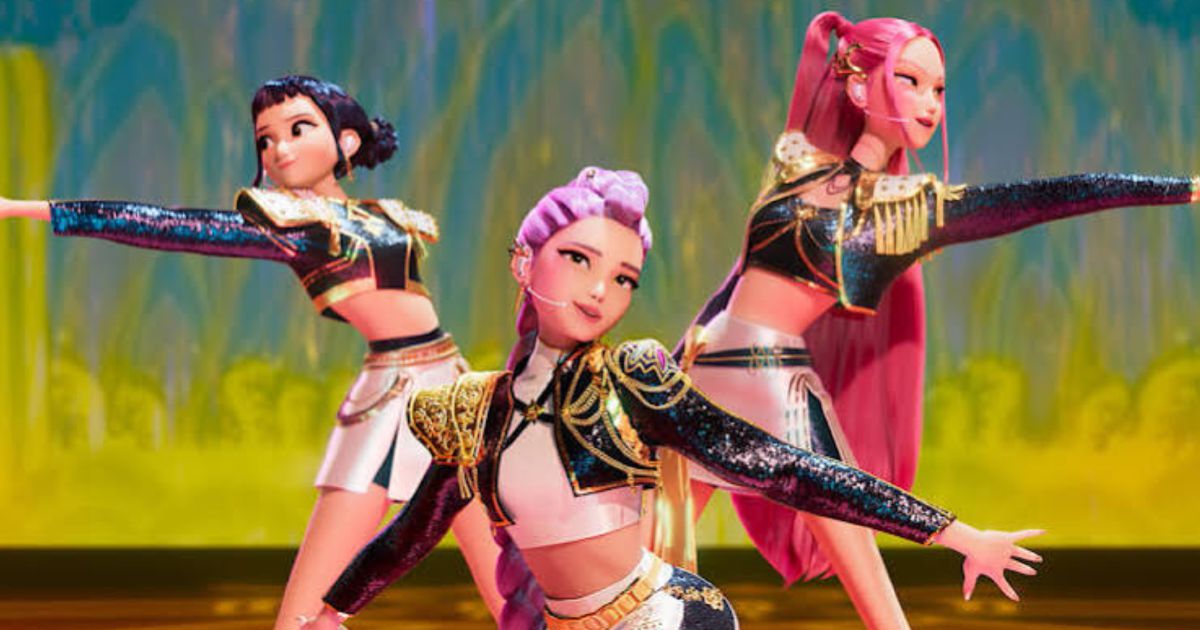
The California-based Christian heavy metal band Demon Hunter has taken legal action against Netflix, filing a trademark infringement lawsuit over the streaming service's successful animated feature KPop Demon Hunters. The band's legal team contends that Netflix's use of the "Demon Hunter" name creates confusion among consumers and improperly capitalises on the musical group's established brand recognition built over years of touring and recording. This case highlights the growing tensions between entertainment companies over intellectual property rights in the digital streaming era, where animated and live-action content frequently borrows from existing cultural references and naming conventions.
Demon Hunter, formed in the early 2000s, has cultivated a devoted following within the Christian metal community, earning considerable brand equity through decades of album releases and international concert performances. The band argues that Netflix's decision to incorporate "Demon Hunters" into the animated series title—which has reportedly achieved significant viewership metrics—represents an unauthorised commercial use of their trademarked name. Such disputes underscore how streaming platforms' aggressive content expansion sometimes intersects with pre-existing intellectual property claims in ways that independent artists and niche-audience bands may find difficult to defend.
Netflix's KPop Demon Hunters animated feature has emerged as one of the platform's standout releases, drawing substantial viewership across multiple markets and generating considerable buzz within fan communities. The series appears to blend Korean pop culture aesthetics with action-oriented storytelling, positioning itself within Netflix's broader strategy of developing animated content that appeals to global audiences beyond traditional Western markets. The success of such programming has made Netflix increasingly attractive to content creators while simultaneously creating friction points with existing trademark holders who feel their intellectual property deserves protection.
The lawsuit raises important questions about trademark infringement standards in entertainment law, particularly when a brand name forms part of a larger creative work's title. Demon Hunter's legal argument likely centres on the notion that consumers could reasonably confuse Netflix's animated series with the band itself, potentially leading prospective listeners to encounter the wrong content when searching for Demon Hunter's music or official merchandise. This form of brand dilution concern has become more acute in the streaming age, where algorithmic recommendations and search functions create multiple pathways through which audience confusion might occur.
Netflix has faced previous trademark and intellectual property challenges, though the company typically employs substantial legal resources to defend its content acquisition and creative choices. The streaming giant will likely argue that KPop Demon Hunters represents original creative content that employs the term "demon hunters" as a descriptive element within a broader fictional narrative, rather than as an attempt to impersonate or mislead consumers about the band's involvement. Such arguments have found varying degrees of success in previous cases depending on judicial interpretation of trademark law principles and the degree of actual marketplace confusion demonstrated.
The case carries implications extending beyond the immediate parties involved, potentially influencing how streaming platforms approach naming conventions for future animated and live-action content. Independent artists and musicians operating in niche genres like Christian metal represent a growing segment of content creators who maintain trademark registrations yet lack the financial resources to litigate extensively against major corporations. Legal precedents emerging from this dispute could establish clearer guidelines about when descriptive uses of common terms require consent from prior trademark holders, particularly in entertainment contexts where overlapping vocabulary becomes inevitable.
For Malaysian and Southeast Asian audiences, this case reflects broader questions about intellectual property protection in rapidly expanding digital entertainment markets. As streaming consumption continues to grow throughout the region, local content creators, musicians, and entertainers may increasingly encounter similar trademark conflicts with global platforms. Understanding how established legal systems address such disputes becomes relevant for protecting Malaysian creative industries from potential brand confusion or unauthorised commercial use of local artistic identities.
The timing of this lawsuit coincides with broader conversations about streaming platform accountability and creator rights. Entertainment industry observers note that while major studios and established production houses often negotiate clearances for naming and branding elements, smaller entities sometimes discover their intellectual property incorporated into streaming content after the fact. This reactive approach to enforcement, rather than preventive licensing negotiations, suggests systemic imbalances in how entertainment law adapts to the scale and speed of global digital production.
Demon Hunter's decision to pursue litigation signals that independent artists remain willing to protect their intellectual property despite the apparent power differential between band-sized entities and multinational streaming corporations. The outcome of this case may influence whether other musicians and entertainment figures feel emboldened to challenge similar perceived infringements by major platforms, or conversely, whether the costs and complexity of litigation discourage smaller creators from asserting their trademark rights against well-resourced defendants.

