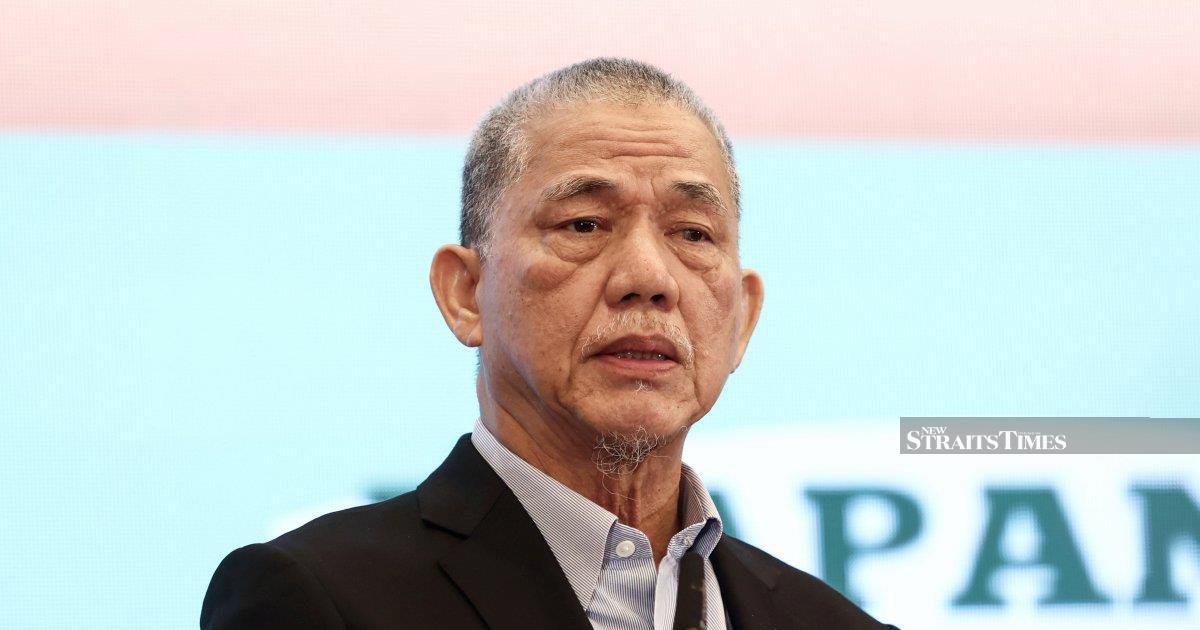
Deputy Prime Minister Datuk Seri Fadillah Yusof is progressing positively in his recovery following a successful coronary artery bypass grafting procedure performed at the National Heart Institute (IJN) on August 12. The surgical intervention, aimed at improving blood flow to the heart muscle, represents a significant medical intervention for the country's second-most senior government figure.
Coronary artery bypass grafting is among the most common cardiac surgical procedures performed globally, involving the creation of new pathways around narrowed or blocked coronary arteries. The operation requires specialist cardiothoracic expertise and advanced surgical facilities, both of which the IJN—Malaysia's premier heart care institution—provides. The timing and nature of the procedure suggest that medical assessments had identified significant coronary artery disease requiring intervention rather than management through medication alone.
The IJN's involvement underscores the quality of cardiac care available within Malaysia's healthcare system. The institute has established itself as a regional centre of excellence for cardiovascular procedures, treating both domestic and international patients. The decision to conduct such a high-profile procedure domestically reflects confidence in the standards maintained at the facility, particularly given the prominence of the patient involved.
For a sitting Deputy Prime Minister to undergo major cardiac surgery carries broader implications for government continuity and political stability. Malaysia's constitutional framework designates the Deputy Prime Minister as the primary successor should the Prime Minister become unable to discharge duties. During the recovery period following such surgery, which typically extends several weeks, careful management of official responsibilities becomes necessary to ensure neither patient welfare nor governmental functions are compromised.
The recovery trajectory following coronary bypass surgery typically follows well-established medical protocols. Initial post-operative phases focus on wound healing, management of pain, and prevention of complications such as infection or cardiac arrhythmias. As days progress into weeks, rehabilitation becomes increasingly important, involving supervised physical activity and gradual return to normal functioning. The confirmation that Fadillah is recovering well suggests that this early phase has proceeded without significant complications.
Public health officials have not disclosed specific details regarding the extent of coronary artery disease identified or the precise number of grafts employed during the procedure. Such clinical specifics remain appropriately confidential, though the successful completion of the operation and positive initial recovery provide reassurance to government institutions and the broader Malaysian public that the Deputy Prime Minister's health situation is being expertly managed.
Cardiovascular disease remains a leading cause of mortality in Malaysia and throughout Southeast Asia. The prevalence of risk factors including hypertension, diabetes, sedentary lifestyles, and elevated cholesterol levels means that coronary artery disease affects significant portions of the adult population. When detected early through screening programmes or after presenting symptoms, many cases can be effectively managed—either through lifestyle modifications and pharmaceutical intervention, or through surgical procedures when necessary. Fadillah's situation illustrates that access to advanced cardiac care can yield positive outcomes even in cases requiring invasive intervention.
The Deputy Prime Minister's position carries substantial workload and stress, factors that could influence cardiovascular health. The demands of high-level political office—irregular sleep patterns, constant decision-making, and sustained pressure—potentially contribute to cardiovascular strain. Recovery from major cardiac surgery therefore includes not only physiological healing but also gradual reacclimatisation to work responsibilities at a measured pace, ensuring that the recuperative process is not undermined by premature resumption of demanding duties.
Family and colleagues have undoubtedly maintained close attention during both the surgical procedure and subsequent recovery period. The support system surrounding a patient during cardiac recovery significantly influences psychological wellbeing and adherence to rehabilitation protocols. Government operations have presumably adjusted to accommodate the Deputy Prime Minister's temporary reduction in executive duties, reflecting standard practice when senior officials undergo significant medical procedures.
Moving forward, Fadillah will likely follow recommendations for cardiac rehabilitation, including supervised exercise programmes, dietary modifications, and ongoing monitoring by his cardiothoracic team. The successful management of coronary artery disease post-operatively depends substantially on patient engagement with lifestyle changes and medical follow-up care. These adjustments, while representing lifestyle modifications, commonly enable individuals who have undergone coronary bypass to resume active and fulfilling professional and personal lives.
The incident highlights Malaysia's capacity to manage complex healthcare challenges domestically. Rather than requiring overseas medical treatment, a senior government official received specialist cardiac care within national borders, reflecting decades of investment in medical infrastructure and professional training. This capability extends benefits beyond individual patients, demonstrating to regional and international observers that Malaysian healthcare institutions maintain standards comparable with leading international centres.

