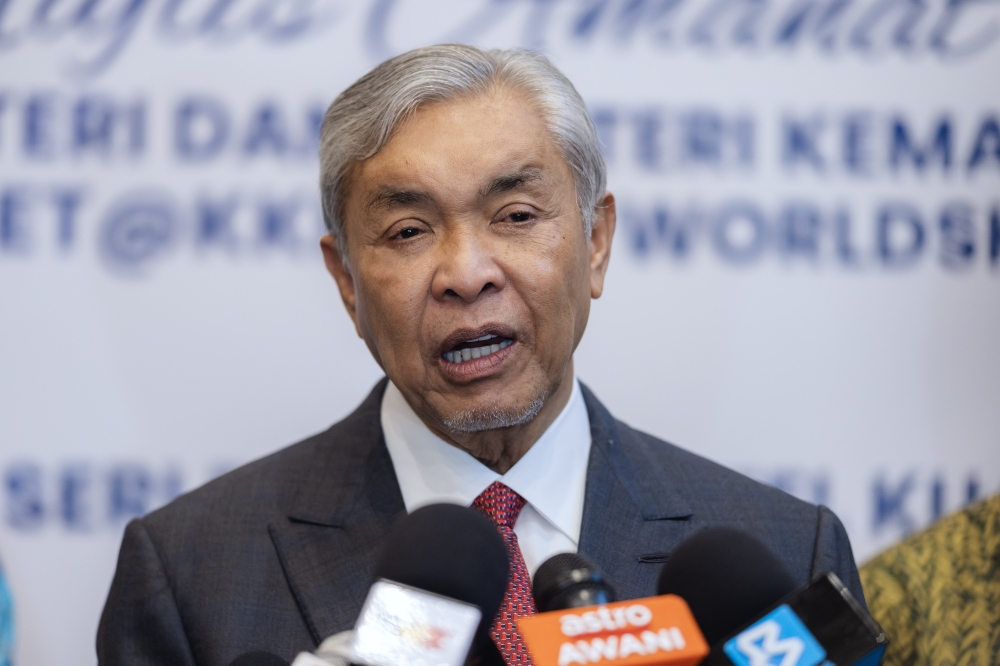
Deputy Prime Minister Datuk Seri Dr Ahmad Zahid Hamidi has committed to fully funding umrah pilgrimages for technical and vocational education training (TVET) students who secure gold medals at WorldSkills competitions, marking an unprecedented effort to incentivize excellence in Malaysia's skills development sector. The initiative represents a significant shift in how the government recognizes and rewards achievements in vocational training, traditionally overshadowed by academic pathways in the country's education system.
The pledge underscores growing recognition that TVET pathways offer critical alternatives to traditional university routes, addressing both Malaysia's persistent skills gap and the nation's demographic challenges. By tying the umrah sponsorship to international competition success, the deputy prime minister is positioning technical vocational achievement as nationally prestigious, a perception that requires sustained cultural reinforcement across Malaysian society. This approach aligns with broader efforts to elevate the status of skilled trades in a region where brain drain and skills mismatches continue to hamper economic competitiveness.
WorldSkills competitions have become increasingly significant as benchmarks for technical excellence across Asia-Pacific. These global platforms allow young Malaysian technicians, electricians, welders, and ICT specialists to compete against peers from advanced economies, generating valuable exposure to international standards and best practices. Success at such events demonstrates that Malaysia's technical talent can hold its own internationally, yet many gold medallists from these competitions have historically received minimal domestic recognition or tangible rewards upon returning home.
The umrah sponsorship addresses this recognition gap while leveraging Islamic values that resonate deeply within Malaysian society. For Muslim TVET graduates, a fully funded pilgrimage represents both spiritual fulfilment and practical support, removing financial barriers that prevent many from performing this important religious obligation. This combination of achievement recognition and spiritual support creates a multidimensional reward that extends beyond conventional career incentives, potentially influencing family decisions about educational pathways for younger siblings and relatives.
Malaysia's TVET sector has undergone significant expansion over the past decade, with institutions like the Malaysian Institute of Polytechnics (Institut Polyteknik Malaysia) and numerous technical colleges investing heavily in curriculum development and infrastructure. However, perception challenges persist: many Malaysian families still view polytechnic and vocational pathways as second-tier options compared to university education. Government initiatives that celebrate TVET achievements and provide tangible recognition help counter this narrative, particularly when coming from senior political figures like the deputy prime minister.
The initiative also reflects strategic thinking about Malaysia's positioning in the post-pandemic global economy. As automation and digitalization reshape labour markets across Southeast Asia, demand for skilled technicians in renewable energy, advanced manufacturing, semiconductors, and digital infrastructure has surged. Countries like Singapore and South Korea have invested heavily in technical skills development, recognizing that competitive advantage increasingly depends on workforce quality rather than simply workforce size. Malaysia's commitment to supporting TVET excellence signals intention to compete in this arena.
For individual beneficiaries, the umrah sponsorship carries implications beyond the pilgrimage itself. Recipients become ambassadors for TVET pathways within their communities, families, and peer networks. Their visible success and public recognition can influence educational decisions by younger cohorts, gradually shifting social attitudes towards vocational training. This grassroots perception shift, amplified by government-level endorsement, creates multiplicative effects that drive programme participation organically rather than through coercive policies.
The timing of this announcement also matters contextually. Regional competition for technical talent is intensifying, with Singapore, Thailand, and Vietnam all actively promoting vocational education and attracting international skills competition participants. By providing distinctive rewards like fully sponsored umrah trips—a benefit unavailable in competitor countries—Malaysia differentiates its offer to aspiring technical professionals. This can help retain talent that might otherwise seek opportunities abroad or pursue education in neighbouring economies.
Implementation details remain significant for the initiative's success. Clarity regarding eligibility criteria, the specific process for nominations and approvals, funding mechanisms, and timing of sponsorships will determine whether this becomes a robust, celebrated programme or remains a one-off gesture. The deputy prime minister's office will need to coordinate with the Ministry of Education and relevant TVET authorities to establish transparent, merit-based selection processes that maintain programme credibility.
Looking forward, this initiative could inspire similar recognition schemes across other sectors. If the umrah sponsorship programme succeeds in raising TVET prestige and participation rates, other government initiatives might explore comparable incentive structures for excellence in areas like STEM education, green skills, or digital literacy. The broader strategic value lies in demonstrating that unconventional reward mechanisms—combining achievement recognition with deeply held cultural and religious values—can effectively reshape educational decisions and career trajectories at population scale.

