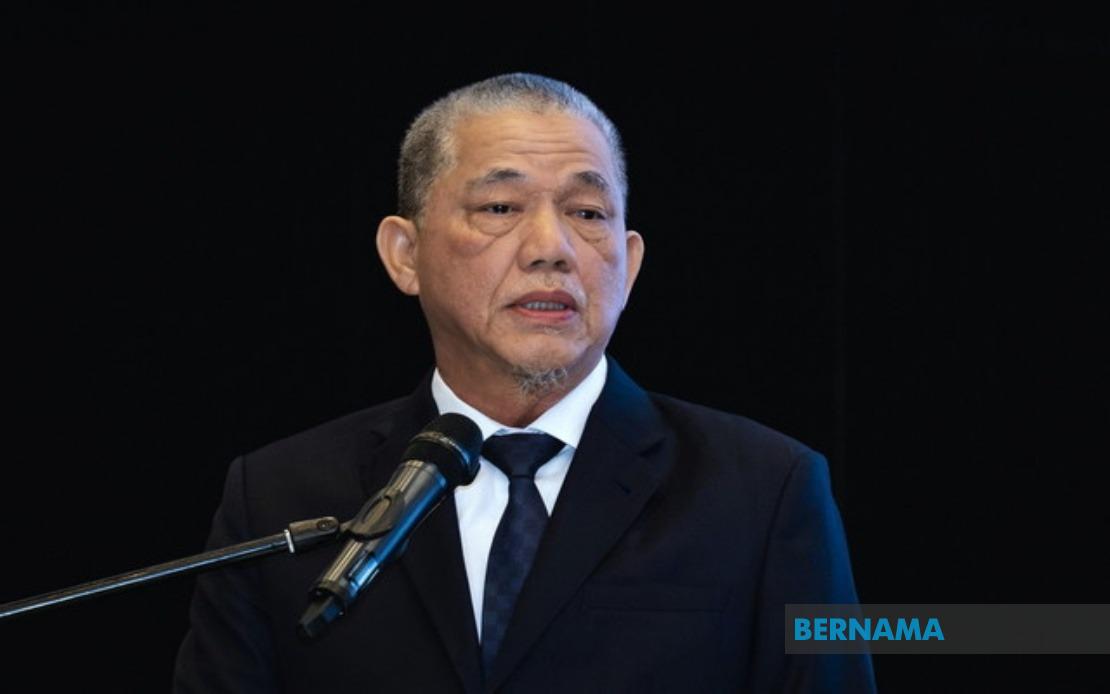
Deputy Prime Minister Datuk Seri Fadillah Yusof is scheduled to undergo heart bypass surgery at the National Heart Institute (IJN) following recommendations from his medical team, his office announced on August 3. The procedure represents a significant health intervention for one of Malaysia's most senior political figures, who continues to hold the portfolio of Minister of Energy Transition and Water Transformation (PETRA) alongside his vice-prime ministerial duties.
The confirmation came through an official statement released by Datuk Misiah Taib, who serves as press secretary to the Deputy Prime Minister across both his ministerial and vice-prime ministerial roles. Medical teams have determined that the cardiac intervention is necessary, though the exact timing of the surgery has not been publicly disclosed beyond the indication that it will occur in the near future.
According to the statement, Fadillah maintains stable health status at present, though his medical team has advised him to prioritise rest and recovery in preparation for the surgical procedure. The guidance from his physicians extends to limiting social engagements and visitor interactions, a precautionary measure designed to preserve his strength and minimise potential complications as he approaches the operation.
For Malaysian politics, the news carries implications for the current government's continuity. The Deputy Prime Minister's temporary absence from active duties during recovery could necessitate delegation of his ministerial responsibilities, particularly in the energy transition and water management portfolios, which have assumed heightened importance within the government's transformation agenda. The timing of such absences is always closely watched in political circles, as it can affect the momentum of ongoing policy initiatives and administrative decisions.
The National Heart Institute, where Fadillah will receive treatment, is Malaysia's premier cardiac care facility and the nation's leading specialised heart hospital. As a government institution under the Ministry of Health, IJN's involvement signals that the Deputy Prime Minister will receive treatment within the public healthcare system, maintaining consistency with protocols followed by other senior government figures requiring major medical procedures.
Heart bypass surgery, medically known as coronary artery bypass graft (CABG), is one of the most frequently performed cardiac operations worldwide. The procedure involves grafting vessels to create alternative pathways for blood flow around blocked or narrowed arteries. While the surgery has become routine in many developed healthcare systems, it remains a major operation requiring skilled surgical teams and comprehensive post-operative care—resources that IJN possesses.
The family's request for public prayers and well-wishes reflects the significant role such support can play in maintaining morale during serious health challenges. In the Malaysian context, where community and religious observance remain deeply embedded in society, such appeals typically resonate widely across demographic groups and political boundaries. Messages of support from fellow politicians, civil servants, and the broader public frequently accompany such announcements, reinforcing the national interest in the recovery of senior government officials.
Fadillah's ministerial portfolio in energy transition and water transformation carries considerable strategic weight in Malaysia's development priorities. The PETRA ministry oversees critical infrastructure and policy decisions related to the nation's energy security and water resource management—areas with direct implications for economic stability and public welfare. Any extended period of reduced ministerial capacity could influence the pace of policy implementation and project approvals within these sectors, potentially affecting timelines for renewable energy initiatives and water infrastructure developments across the country.
The recovery period following bypass surgery typically extends for several weeks to months, depending on individual factors and the complexity of the procedure. During this time, patients generally require graduated return to their professional responsibilities, with initial focus on light duties and gradual escalation to full workload. For a Deputy Prime Minister, such phased return would likely involve careful coordination between the Prime Minister's office and relevant ministries to ensure administrative continuity while respecting medical recommendations.
The announcement also underscores the reality that senior government officials, regardless of their position and access to excellent medical care, remain subject to the same health vulnerabilities as the general population. Cardiovascular disease remains a leading health concern in Malaysia, affecting individuals across income and status levels. The public nature of the Deputy Prime Minister's health challenge, while obviously suited to his prominence, also provides an implicit reminder of the importance of cardiac health awareness and preventive healthcare measures for all Malaysians.
Beyond the immediate health dimension, Fadillah's surgical procedure will likely prompt assessments within government circles regarding succession planning and operational redundancy in key portfolios. While the Deputy Prime Minister is not expected to face long-term incapacity, the event serves as a natural catalyst for examining whether adequate administrative structures exist to manage critical ministerial functions during temporary absences of senior office-holders—a matter of governance importance regardless of the specific circumstance.

