The peculiar discomfort of emerging from a long-haul flight with tight, dull skin is not merely psychological—it reflects genuine physiological stress that commercial aviation imposes on the body's largest organ. A cabin environment at cruising altitude presents an extraordinarily hostile setting for skin, with humidity levels plummeting to between 10 and 20 percent, compared to the 40 to 60 percent humidity found in typical terrestrial environments. This dramatic differential creates what dermatologists term transepidermal water loss, a process whereby moisture rapidly evaporates from the skin's outer layers, leaving passengers vulnerable to dehydration, tightness, and a noticeably compromised complexion by touchdown.
The science underpinning this phenomenon is straightforward yet significant. Dr Azadeh Manesh, a dermatologist practising in London, explains that the profound humidity deficit aboard aircraft triggers an accelerated escape of water molecules from skin cells. The consequences extend beyond mere cosmetic concerns—prolonged exposure during long-haul journeys measurably compromises the skin barrier's integrity and appears far more pronounced during extended flights compared to short regional hops. Recognising this distinction proves crucial for Malaysian travellers, given the prevalence of medium to long-haul routes connecting the region to Europe, North America, and Australia. The investment in preventative skincare during flights represents not vanity but practical maintenance of dermatological health.
Dr Bernard Ho, a consultant dermatologist and spokesperson for the United Kingdom's Skin Health Alliance, advocates a holistic approach that extends well beyond the cabin itself. The preparation phase matters considerably—optimising skin condition before boarding creates a stronger baseline from which to resist in-flight environmental assault. Similarly, post-flight aftercare determines whether temporary dehydration resolves quickly or evolves into lingering sensitivity. This framework reframes in-flight skincare as a single component within a broader three-act strategy rather than as an isolated intervention. For Malaysian business travellers and holiday-makers regularly undertaking intercontinental journeys, this temporal perspective offers a practical roadmap for maintaining skin integrity across the travel cycle.
Pre-flight preparation should involve deliberately simplifying one's skincare regimen in the days preceding departure. Dr Ho specifically recommends eliminating products containing active ingredients known to compromise the skin barrier—alpha hydroxy acids, beta hydroxy acids, and retinol compounds all warrant temporary suspension. This recommendation may seem counterintuitive for individuals accustomed to regular chemical exfoliation, yet the logic proves sound: introducing additional stress to skin already destined for cabin-induced dehydration compounds rather than alleviates the problem. Instead, these preparatory days should emphasise moisture-first thinking, layering hydrating products to establish optimal baseline hydration before subjecting skin to the aeroplane's desiccating environment.
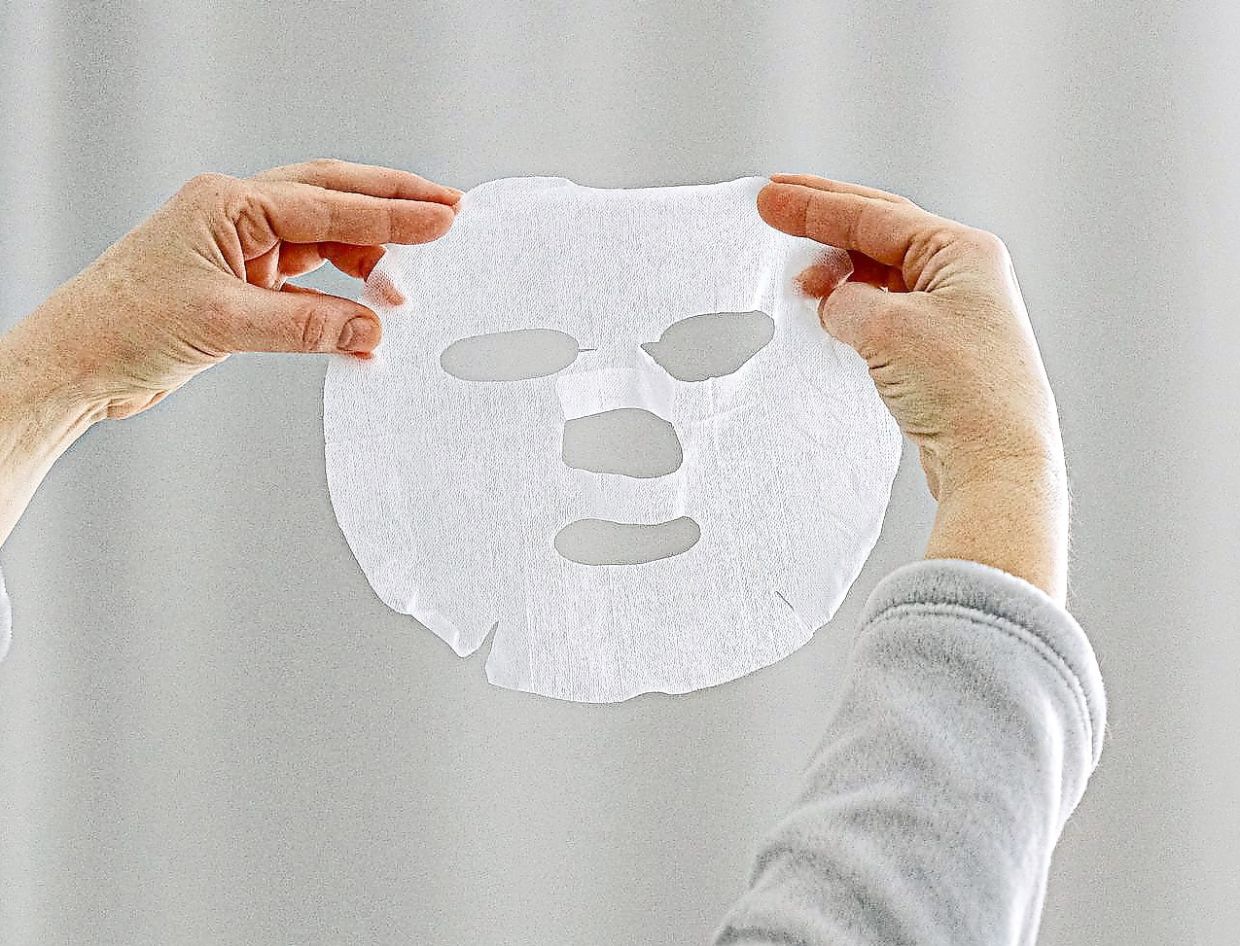
The social media phenomenon of elaborate in-flight skincare rituals—the multi-step regimens, the sheet masks, the elaborate treatments—appeals aesthetically and entertainingly but often represents skincare theatre rather than evidence-based practice. Dr Ho acknowledges the appeal whilst gently discouraging excessive complexity, particularly given the hygiene considerations inherent to shared aircraft cabins. The reality of aeroplane toilets, recycled air, and contaminated surfaces suggests that minimalism serves both practical and dermatological interests. A straightforward cleansing approach using micellar water applied to cotton pads, followed by focused moisturisation, accomplishes the actual objectives without introducing unnecessary complications or contamination risks. This restraint extends to makeup application—light coverage remains acceptable, but heavy foundation application risks congestion and compounds dehydration.
The cornerstone of effective in-flight skincare centres on humectants, those water-attracting molecular compounds that facilitate moisture retention within skin cells. Glycerin and hyaluronic acid represent the foundational humectants deserving primary consideration, widely available in serums and moisturisers at accessible price points. Panthenol offers complementary hydrating benefits, whilst emerging ingredients like ectoin provide anti-inflammatory properties alongside barrier enhancement. Rather than pursuing exotic or premium formulations, Dr Ho emphasises that any competent moisturiser proves infinitely superior to complete abstention. The critical distinction lies not in brand prestige or ingredient rarity but in consistent application of products specifically formulated to restore and maintain hydration.
The sequencing of skincare applications during flight matters substantially. A hydrating serum containing hyaluronic acid or glycerin should be applied to freshly cleansed skin whilst still slightly damp, capitalising on the skin's heightened absorption capacity. Subsequently, a richer moisturiser must seal this hydration, creating an occlusive barrier that prevents the moisture acquired through the serum from evaporating into the cabin's arid atmosphere. Dr Manesh emphasises this sealing concept: without such protection, the transepidermal water loss continues regardless of prior hydration efforts, rendering the serum's benefits temporary and insufficient. For daytime or long-haul flights concluding near sunrise, the inclusion of broad-spectrum SPF protection should occur during the flight itself, with reapplication every four to five hours, recognising that UV exposure intensifies significantly upon landing in sunny destinations.
Beyond topical interventions, systemic hydration represents an equally critical but frequently underemphasised component of in-flight skincare strategy. Drinking adequate water throughout the journey addresses dehydration from an internal physiological perspective, whilst simultaneously avoiding alcohol and excessively salted snacks prevents additional moisture loss triggered by diuretic and osmotic effects. The combination of external moisturisation and internal hydration creates a synergistic approach to combating cabin-induced skin stress. Malaysian travellers, particularly those accustomed to tropical humidity, often underestimate the magnitude of this adjustment—the cabin environment represents a far more extreme desiccation than the air conditioning common in Southeast Asian shopping centres or hotels.
A particularly counterproductive practice that dermatologists frequently observe involves the use of makeup removal wipes during flights. These products, whilst seemingly convenient for maintaining freshness mid-journey, actually accelerate transepidermal water loss through their mechanical abrasion and alcohol content. The temporary sensation of cleanliness proves illusory when weighed against their contribution to cumulative skin dehydration. Dr Manesh identifies this as one of the most common errors she encounters, suggesting that passengers abandon this habit entirely in favour of the gentler micellar water approach mentioned previously. This adjustment requires minimal additional effort whilst yielding measurable improvements in post-flight skin condition.
The implications of this dermatological guidance extend beyond individual comfort considerations into broader patterns of travel health and wellness. As Malaysian travellers increasingly undertake frequent intercontinental journeys for business and leisure, the cumulative skin damage from repeated exposure to extreme cabin humidity represents a legitimate health concern worthy of preventative attention. Airlines themselves recognise this issue, though infrastructure solutions remain limited—humidity cannot practically be elevated to terrestrial levels without compromising aircraft safety systems. Consequently, individual passenger responsibility for skincare during flight becomes the realistic and necessary approach. By adopting evidence-based strategies that emphasise simplicity, consistency, and appropriate timing, Malaysian travellers can substantially mitigate the dermatological consequences of commercial aviation whilst avoiding the elaborate rituals that dominate social media discourse.

