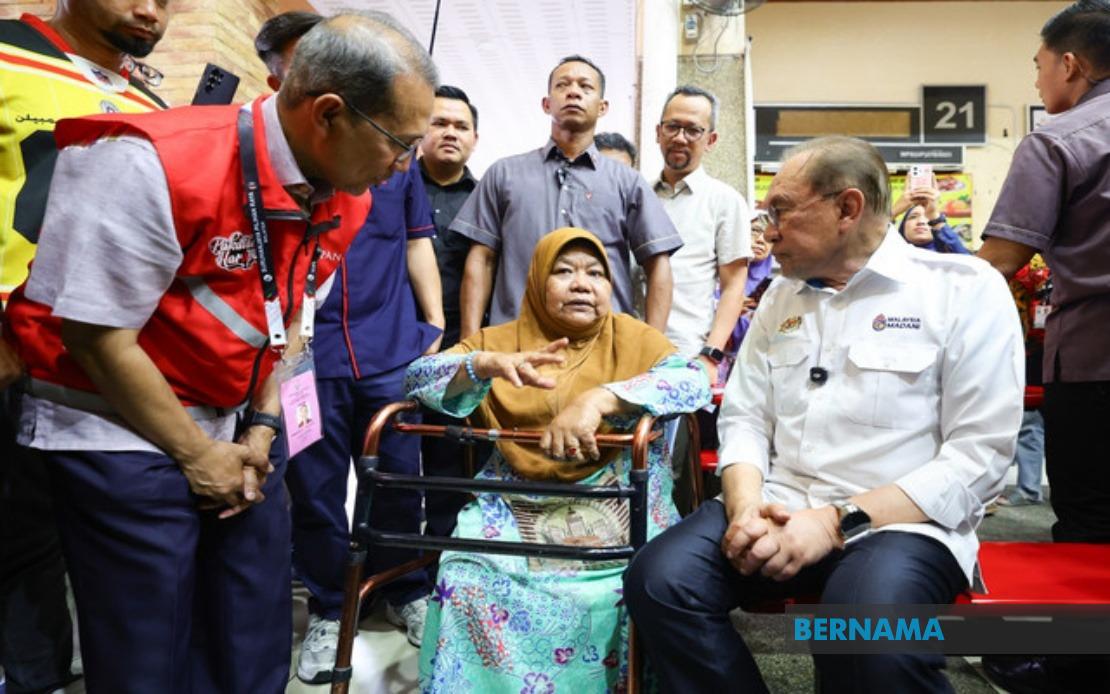
In Seremban on July 22, determination overcame the obstacles of weather and physical limitation when 68-year-old Jumaah Mohd Alif made her way through drizzling rain on her specially adapted three-wheeled motorcycle. Her destination was Benteng Ampangan, where she seized an unexpected opportunity to meet Prime Minister Datuk Seri Anwar Ibrahim, realising a dream she had harboured for years.
Jumaah's journey to this moment reflects the broader story of how persons with disabilities in Malaysia navigate daily life and seize opportunities that others might take for granted. Three and a half decades ago, she lost her left leg in an accident, an event that fundamentally altered the trajectory of her life. Yet rather than allow her circumstances to diminish her aspirations, she has adapted and persevered. Her three-wheeled motorcycle represents more than mere transportation—it symbolises her independence and determination to participate fully in the life of her community.
The immediate catalyst for her ride came through word-of-mouth communication within her kampung. Villagers in Kampung Gedung Lalang informed her that the Prime Minister would be campaigning in the nearby area of Ampangan. For someone who had previously only glimpsed the nation's leader through television broadcasts or from a considerable distance, this represented an extraordinary and perhaps once-in-a-lifetime chance. The modest meteorological inconvenience of drizzle held no power to deter her from this pursuit.
Meeting Anwar in person constituted far more than a mere celebrity encounter for Jumaah. She emphasised to media representatives that this moment held profound personal significance, something she would treasure throughout her remaining years. This speaks to the psychological importance that direct interaction with national leadership can hold for citizens, particularly those who may feel their concerns are often overlooked or marginalised. For many persons with disabilities in Malaysia, tangible evidence that their Prime Minister acknowledges their existence and concerns carries genuine weight.
Jumaah's encounter with Anwar occurred against the backdrop of Malaysia's ongoing election cycle. As chairman of Pakatan Harapan and Prime Minister, Anwar was in Negeri Sembilan specifically to strengthen the coalition's electoral position ahead of the state election scheduled for August 1. Early voting was set for July 28. Such campaigning visits typically involve standard political protocols and messaging, but Jumaah's spontaneous appearance represented an authentic grassroots moment that illustrated the everyday realities of Malaysian citizens beyond prepared speeches and party talking points.
The welfare concerns that Jumaah raised during her conversation with the Prime Minister deserve particular attention within Malaysia's broader policy landscape. She expressed hope that the government would continue prioritising the wellbeing of senior citizens and persons with disabilities. This two-part concern reflects the demographic reality that Malaysia, like other Southeast Asian nations, faces an ageing population alongside persistent challenges in disability support provision. The intersection of these two vulnerabilities—advanced age combined with physical disability—creates compounded needs that government programmes must address with sophistication and adequate resourcing.
Malaysia's persons with disabilities community, numbering over 600,000 registered individuals, represents a significant constituency whose voices often struggle to penetrate high-level policy discussions. Accessibility infrastructure, employment opportunities, healthcare access, and social support services remain areas where gaps persist despite legislative frameworks such as the Persons with Disabilities Act 2008. When citizens like Jumaah make the effort to bring their concerns directly to political leadership, it highlights the extent to which conventional channels for advocacy may feel inadequate or ineffective.
The image of an elderly disabled woman riding a three-wheeled motorcycle through rain to meet her Prime Minister carries symbolic resonance that extends beyond Negeri Sembilan. It illustrates the resilience and civic engagement that persists at grassroots level throughout Malaysia, irrespective of physical limitations or demographic marginality. It also illuminates the gap between how such individuals navigate practical realities and how policy makers sometimes perceive the needs of vulnerable populations. Jumaah's actions suggest she views herself not as a passive recipient of government benevolence but as an active citizen with a stake in national affairs.
The Negeri Sembilan state election, in which Anwar was actively campaigning, carries particular significance for Pakatan Harapan's trajectory. State-level election results frequently serve as bellwethers for broader national sentiment, influencing both party confidence and strategic calculations. Anwar's visible engagement with constituents like Jumaah, whether spontaneous or carefully managed, forms part of the coalition's electoral positioning. However, the substantive challenges that Jumaah articulated—securing government commitment to disability and elderly welfare—will ultimately determine whether such encounters translate into meaningful policy commitments.
Moving forward, Jumaah's wish deserves concrete follow-up. Meaningful government prioritisation of disability welfare requires sustained budgetary allocation, accessible infrastructure development, employment support programmes, and healthcare provisions that adequately serve the estimated 600,000 registered persons with disabilities alongside Malaysia's rapidly growing senior citizen population. The symbolic moment of a disabled woman meeting her Prime Minister possesses value only if it catalyses substantive governmental action rather than remaining a touching anecdote in the electoral calendar.
Ultimately, Jumaah Mohd Alif's journey through drizzle to Benteng Ampangan embodies the determination that characterises many Malaysians who navigate systemic barriers and physical challenges while maintaining active engagement with their nation's political life. Her courage in seizing an unexpected opportunity to advocate directly for her community's interests, despite the obstacles she faces daily, merits recognition. Whether government follow-through matches the symbolic power of this encounter will likely shape her assessment of whether this momentous meeting produces tangible improvements in support for Malaysia's disabled and elderly citizens.

