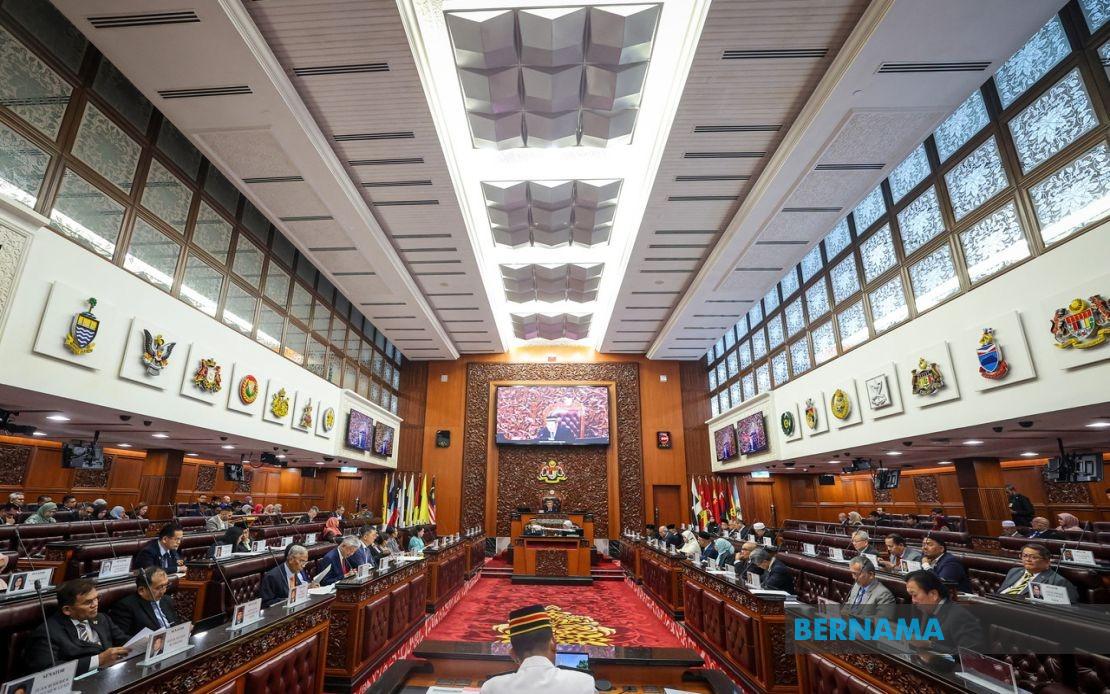
Malaysia's upper chamber, the Dewan Negara, has wrapped up its second sitting of the current parliamentary term following a 10-day legislative session that began on July 20. The chamber succeeded in securing approval for a substantial legislative agenda comprising a dozen bills, demonstrating the institution's continued momentum in advancing the government's policy framework across multiple sectors affecting Malaysian citizens and businesses.
The session represented a significant occasion for parliamentary debate, particularly through the revival of the Adjournment Speech mechanism under Standing Order 16, a procedural format that had not been deployed since 2022. This mechanism afforded senators an opportunity to raise matters of pressing concern to their constituencies and the nation at large, enabling focused discussion on contemporary policy challenges without requiring formal legislative instruments.
Two substantive policy motions generated considerable attention during the debate sessions. Senators engaged with concerns regarding the expansion of cross-border e-commerce platforms such as Pinduoduo and Temu, which analysts and business groups argue pose significant disruption to Malaysia's micro, small and medium enterprise sector and traditional retail operations. The discussion highlighted growing anxiety within the local business community about the competitive pressures emanating from these platforms and their impact on the broader economic ecosystem. Additionally, legislators debated a separate motion concerning voting access for auxiliary police personnel, with proposals for early voting or postal voting arrangements designed to enhance democratic participation among this workforce.
The legislative package approved during the session touched upon critical areas of national concern and economic regulation. The Cybercrimes Bill 2026 represents an important enhancement to Malaysia's digital security framework, addressing emerging threats in an increasingly interconnected technological environment. The Road Transport (Amendment) Bill 2026 reflects ongoing efforts to refine traffic safety regulations and enhance vehicle standards compliance. Meanwhile, the Witness Protection (Amendment) Bill 2026 strengthens safeguards for individuals providing testimony in legal proceedings, a crucial element of judicial integrity.
Child protection featured prominently in the legislative agenda, with approval of the Sexual Offences against Children (Amendment) Bill 2026, signifying continued parliamentary commitment to strengthening laws protecting vulnerable populations. The dual competition-related bills—the Competition (Amendment) Bill 2026 and the Competition Commission (Amendment) Bill 2026—indicate the government's intention to refine Malaysia's market regulation framework, potentially affecting consumer protection and fair business practices across various industries.
The National Trust Fund Bill 2026 and the Padi and Rice Control (Amendment) Bill 2026 demonstrate governmental attention to agricultural stability and food security matters. As a nation with significant rice production capacity and consumption, legislative refinement of rice market controls carries implications for food price stability and agricultural livelihoods across rural Malaysia. The Social Work Profession Bill 2026 represents professionalization efforts within the social services sector, potentially affecting welfare service delivery across the country.
Communications infrastructure and data management also featured in the approved legislation. The Communications and Multimedia (Amendment) Bill 2026 and the Malaysian Communications and Multimedia Commission (Amendment) Bill 2026 suggest ongoing regulatory adjustments within the telecommunications and digital content sectors. These amendments typically address evolving technology landscapes and consumer protection requirements within increasingly complex communications markets. The Statistics Bill 2026 completes the package, reflecting the government's recognition of data governance importance for evidence-based policymaking.
Dewan Negara Speaker Datuk Awang Bemee Awang Ali Basah emphasized during his adjournment remarks that the legislative process had benefited substantially from the varied perspectives contributed by senators from diverse professional and demographic backgrounds. His characterization of this diversity as strengthening parliamentary checks and balances underscores the institutional role of the upper house as a deliberative body complementing the more directly elected Dewan Rakyat. This framing is particularly relevant given ongoing debates about upper house effectiveness and relevance within Malaysia's bicameral legislature.
The Speaker's concluding remarks invoked the upcoming National Day and Malaysia Day celebrations in 2026, using the occasion to call for renewed national commitment to constitutional supremacy, rule of law principles, and national unity. This rhetorical positioning of parliamentary work within broader patriotic and constitutional frameworks reflects conventional approaches to reinforcing institutional legitimacy and social cohesion, particularly important in a multiethnic democracy managing competing interests and diverse voter bases across federal, state and local governance levels.
For Malaysian businesses and citizens, these legislative outcomes will generate ripple effects across multiple domains. The cybercrime legislation addresses digital security concerns affecting both corporations and individual users increasingly dependent on online transactions and digital services. The transport amendments will influence vehicle ownership and road safety compliance costs. Agricultural sector adjustments will eventually influence food prices and farming viability. Communications regulatory changes may affect broadband access, content availability and telecommunications pricing, matters directly relevant to Malaysia's digital economy aspirations and the cost of living for ordinary Malaysians.
The session's conclusion leaves pending the government's implementation agenda for these 12 measures, each requiring regulatory frameworks, enforcement mechanisms and potentially secondary legislation to achieve their intended policy objectives. The next parliamentary session will likely reveal how effectively these laws transition from legislative text to practical application within Malaysian society.

