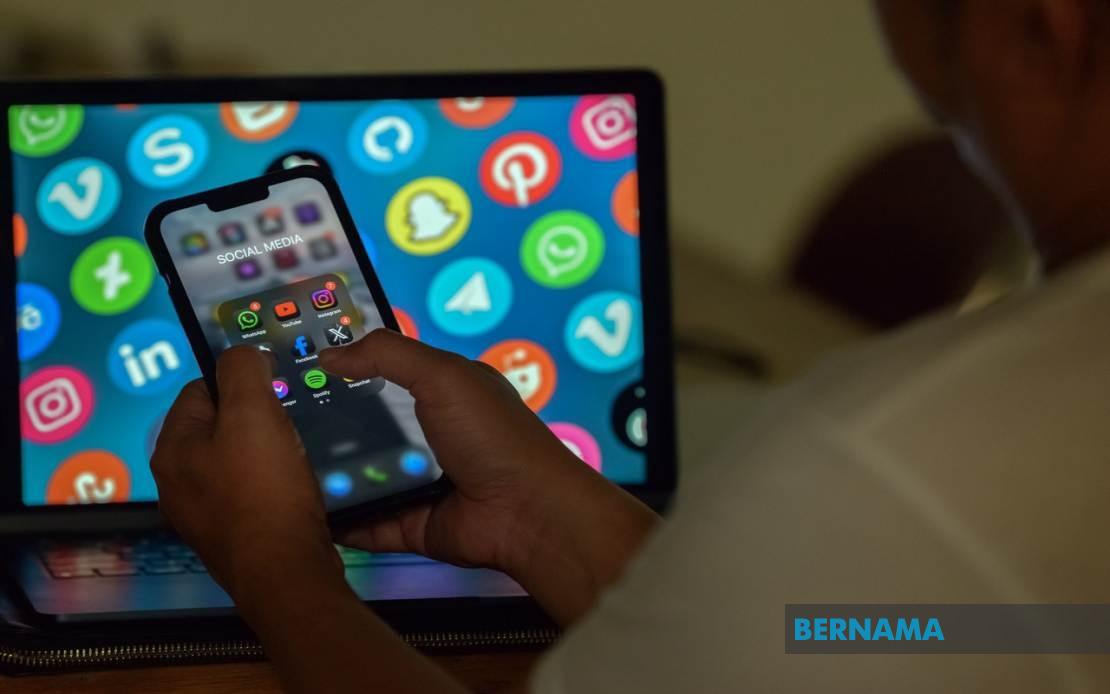
The upcoming Negeri Sembilan state election on August 1 is witnessing a fundamental shift in how politicians connect with constituents, with candidates from all three major coalitions—Pakatan Harapan, Barisan Nasional, and Perikatan Nasional—abandoning traditional campaign methods in favour of aggressive social media engagement. The move reflects a broader recalibration of electoral strategy across Malaysia, where digital platforms have become as crucial as ground-level outreach in determining voter behaviour. With nearly 889,490 registered voters across the state, the competition for digital attention has intensified dramatically, prompting candidates to adopt increasingly sophisticated and platform-specific content strategies.
The generational divide in platform usage has become a critical factor shaping campaign tactics. Older and middle-aged voters spanning the Baby Boomers, Generation X and Millennial cohorts remain predominantly active on Facebook and YouTube, where longer-form content and community updates gain traction. In contrast, Generation Z voters have gravitated firmly towards TikTok, Threads and Instagram, platforms where brevity, visual appeal and trend-responsiveness drive engagement. Recognising this fragmentation, candidates have developed dual-track digital strategies that tailor messaging, tone and content format to specific age demographics rather than broadcasting uniform messages across all channels. This granular approach represents a significant evolution from earlier election cycles where social media was treated as a secondary distribution channel.
The aesthetic and stylistic choices candidates employ reveal how deeply they have internalised platform-specific norms. Infographics presenting manifesto pledges, pointed responses to contemporary issues and daily campaign updates dominate the feed landscape. However, the most striking shift is the embrace of short-form video content—particularly Point of View clips, trending audio integration and behind-the-scenes material—that replaces lengthy speeches and formal presentations. This transformation prioritises authenticity and relatability over authority and gravitas, fundamentally altering the emotional register of political communication. Livestreams capturing unscripted moments further humanise candidates, presenting them as accessible figures rather than distant political figures.
Menteri Besar and Pakatan Harapan Linggi candidate Datuk Seri Aminuddin Harun exemplifies this approach, consistently sharing photographs and video content documenting his daily activities—from performing dawn prayers to informal breakfast gatherings with residents and motorcycle tours through local communities. His messaging emphasises continuity, honesty and the purported track record of the Pakatan Harapan government, framing the election as a choice between proven stability and untested alternatives. The visual narrative of accessibility and commitment to community engagement proves particularly effective in the TikTok and Reels ecosystem, where audiences interpret frequent local presence as evidence of genuine commitment rather than performative campaigning.
Similarly, Pakatan Harapan's Paroi candidate Ahmad Shahir Mohd Shah, widely known as Ustaz Shahir, has built his digital footprint around a vision of constituency development and prosperity, while Rantau candidate Dr Azizul Hakim Mahdi, leveraging his medical credentials, has featured community health screenings and senior citizen engagement initiatives prominently in his social media presence. These thematic distinctions allow candidates to differentiate themselves within their own coalition while maintaining overall party messaging coherence. The strategy recognises that voters increasingly evaluate candidates on their individual contributions and personal appeal rather than purely on party affiliation.
Barisan Nasional candidates have adopted comparable digital methodologies, with Rantau's Datuk Seri Mohamad Hasan and Pertang's Datuk Seri Jalaluddin Alias deploying social media to showcase campaign activities and foster voter dialogue. The coalition's presence across platforms appears less coordinated than Pakatan Harapan's efforts, suggesting potential organisational advantages for the incumbent alliance in digital campaign infrastructure. However, the consistency of approach—prioritising visual documentation of campaign activities over policy exposition—indicates convergence in understanding what content resonates with contemporary voters.
Perikatan Nasional representatives, alongside candidates from Parti Pribumi Bersatu Malaysia, Parti Orang Asli Malaysia, Parti Sosialis Malaysia, Barisan Jemaah Islamiah Se-Malaysia and independent contenders, have similarly gravitated towards social media as the primary means of promoting their platforms and election commitments. The proliferation of candidates and parties across the digital landscape has intensified competition for algorithmic visibility and voter attention. Smaller parties and independent candidates face particular challenges in this environment, where sustained engagement requires either dedicated financial resources for advertising or exceptionally compelling organic content that generates viral amplification.
The timing and mechanics of the campaign underscore the centrality of social media strategy to contemporary electoral competition. Early voting commences on July 28, with main polling on August 1, compressing the window for persuasion and mobilisation. This compressed timeline advantages platforms enabling rapid content distribution and real-time engagement over traditional campaign methods requiring longer lead times. Candidates who failed to build substantial follower bases and engagement patterns before the campaign period officially commenced face significant disadvantages in the sprint to election day.
For Malaysian elections observers and political strategists, the Negeri Sembilan contest provides valuable insights into evolving voter behaviour and campaign effectiveness across different platforms. The emphasis on authenticity and accessibility through social media represents a potential vulnerability for candidates unable or unwilling to embrace digital communication. Conversely, excessive reliance on curated social media personas risks backlash from voters perceiving inauthenticity or manipulation. The balance between strategic messaging and genuine community connection will likely determine which candidates successfully translate digital engagement into actual votes on August 1.

