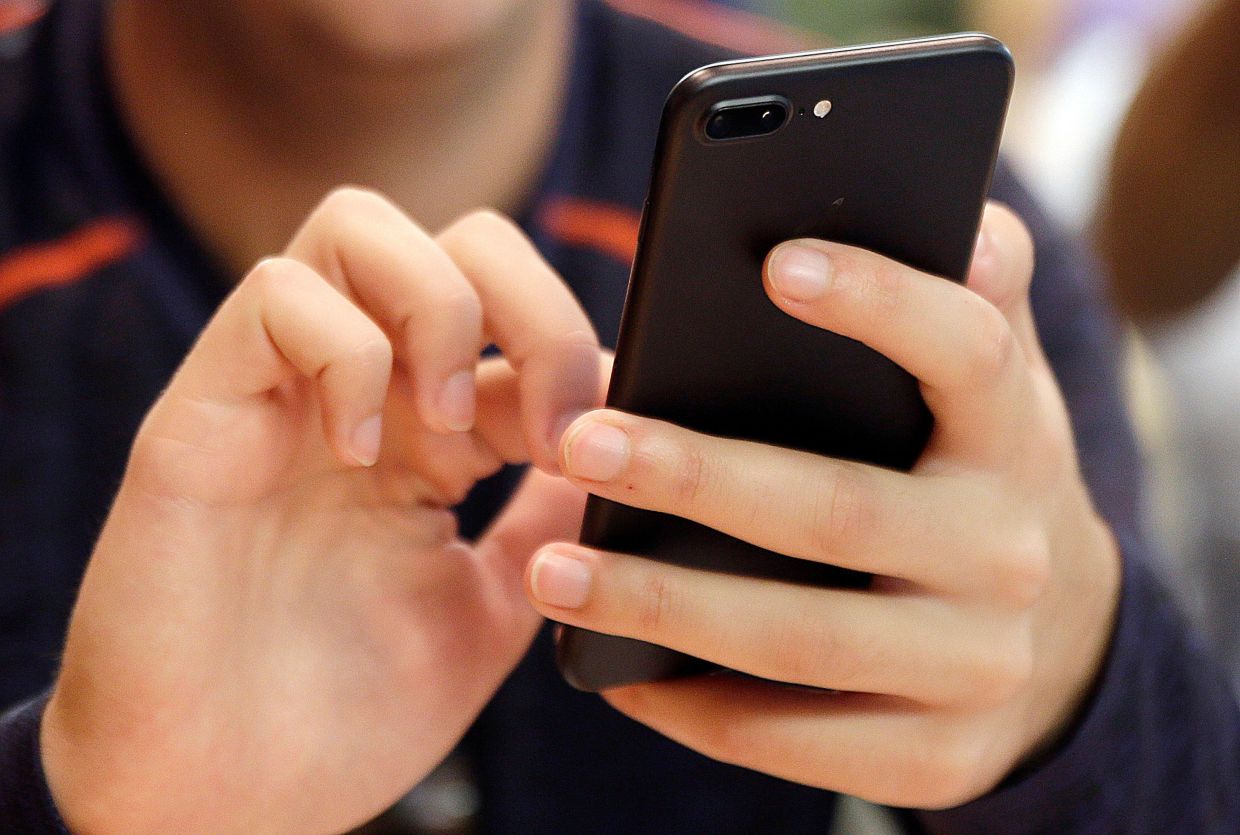
The rise of smartphones has created a modern health challenge affecting workers, students, and casual users throughout Malaysia and the broader region: a cluster of painful conditions collectively known as texting thumb. This phenomenon encompasses various forms of discomfort—from general stiffness and throbbing sensations near the joints to a clicking or popping feeling when bending the thumb. What begins as minor irritation can escalate into more debilitating conditions including carpal tunnel syndrome and arthritis if the underlying causes go unaddressed. As digital connectivity becomes increasingly central to daily life in Southeast Asia, understanding and managing these injuries has become essential for public health awareness.
The evolution of mobile technology has paradoxically intensified the problem. While early mobile devices like the BlackBerry prompted warnings about repetitive strain injuries, today's smartphones present a fundamentally different challenge. Modern devices are substantially larger and heavier than their predecessors, yet we use them in dramatically expanded ways. Beyond simple communication, contemporary smartphone users spend hours scrolling through social media, managing financial transactions, consuming streaming entertainment, and performing countless other tasks. This shift from occasional texting to nearly continuous engagement means the demands placed on hands and thumbs have multiplied exponentially, affecting people across all age groups and professions.
Dr Maureen O'Shaughnessy from the University of Kentucky HealthCare Hand Center emphasizes that restrictive approaches are impractical in today's connected world. Rather than urging users to abandon their devices entirely, medical professionals now focus on developing strategies that allow smartphones to coexist harmoniously with hand health. This pragmatic approach recognizes that digital devices are permanent fixtures in modern life, making adaptation and prevention strategies far more realistic than abstinence. For Malaysian professionals who depend on smartphones for work, banking, and social connection, this perspective offers actionable solutions rather than impossible ultimatums.
The mechanics of phone-related injury stem from prolonged static positioning. When users lock their wrists and elbows in fixed positions for extended periods, soreness develops at the base of the thumb and surrounding wrist area. Holding devices upright for hours exhausts not only the thumbs but also the fingers that support the weight of increasingly heavy smartphones. Many users fail to notice the cumulative damage until they take extended breaks from phone use—such as during vacation—when the irritation suddenly subsides, providing retrospective confirmation of the device's role in their discomfort.
The most straightforward intervention remains the most challenging: reducing screen time and incorporating regular breaks. However, given the central role smartphones play in work and social life across Southeast Asia, this advice often proves impractical for sustained implementation. A more realistic approach involves deliberately varying the manner in which users engage with their devices. Alternating which hand operates the phone, switching between thumbs and index fingers for typing, and consciously changing body posture throughout the day can meaningfully distribute strain across different muscle groups and tendons, preventing any single area from bearing excessive repetitive stress.
Smartphone accessibility features offer underutilized tools for injury prevention. Voice-to-text functionality allows users to compose messages without constant thumb movement, while enlarging text size reduces the need to hold phones at uncomfortable distances from the eyes and face. These built-in features, designed primarily to assist users with visual impairments or dexterity challenges, benefit all users by reducing the biomechanical demands of phone operation. Additionally, accessories such as circular grip rings distribute the phone's weight more evenly across the palm and fingers while simultaneously serving as convenient stands for watching videos, transforming a pain-inducing activity into a more ergonomically neutral one.
Daily stretching and strengthening exercises provide another layer of injury prevention and pain management. Users can perform wrist flexion exercises by tilting their palms away and toward their bodies while applying gentle pressure with the opposite hand. Individual finger stretches, combined with slow circular motions of the thumbs, maintain flexibility and reduce tension in overworked tendons. For discomfort specifically at the thumb's base, placing the hand flat on a surface and gently pulling the thumb away from other fingers while holding for thirty seconds provides targeted relief. These simple exercises, requiring only a few minutes daily, can substantially reduce the accumulation of strain-related pain.
When conservative measures prove insufficient, more serious underlying conditions may emerge. De Quervain's tenosynovitis causes sharp pain and swelling at the thumb's base and wrist, often exacerbated by constant phone use. Carpal tunnel syndrome, resulting from nerve compression within the wrist, can produce numbness and tingling that extend into the hand and fingers. Trigger thumb, characterized by painful catching sensations when flexing the thumb, develops from tendon inflammation. Individuals experiencing persistent aching, numbness, or tingling despite reduced screen time and home remedies like ice therapy should consult healthcare providers to exclude these more serious diagnoses requiring professional intervention.
Dr Eugene Tsai from Cedars-Sinai Orthopaedics emphasizes a fundamental truth: human hands evolved for tasks fundamentally different from continuous smartphone operation. The human body possesses remarkable adaptability, but pushing hands beyond their biomechanical design parameters produces inevitable consequences. The solution lies not in abandoning technology but in conscious stewardship of hand health through deliberate posture variation, intentional breaks, and ergonomic awareness. For the millions of people across Malaysia and Southeast Asia whose professional and personal lives depend on smartphone access, this balanced approach offers a sustainable pathway forward, transforming digital devices from sources of chronic pain into tools that can be used responsibly and safely.

