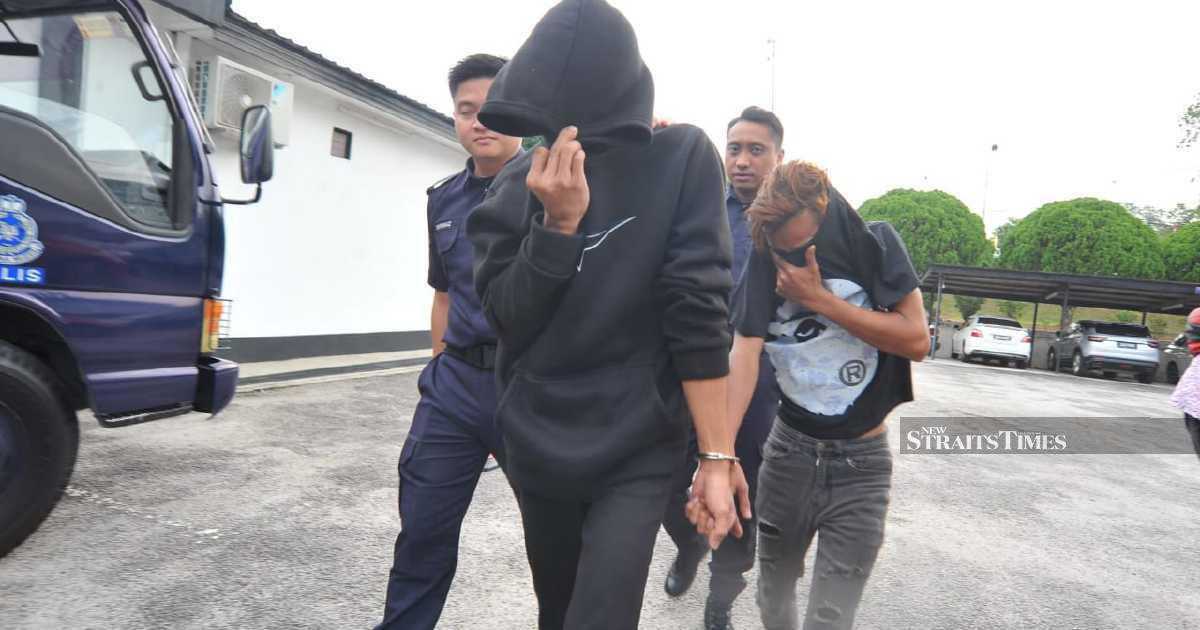
A disabled mechanic and his associate appeared before a Kulai magistrate on charges of reckless and dangerous driving stemming from an alleged illegal racing incident on the Johor Second Link expressway last Saturday. The case represents another concerning episode of street racing on one of the region's busiest toll expressways, raising fresh questions about enforcement efforts on highways serving thousands of daily commuters between Malaysia and Singapore.
The charges against the two men underline the severity with which authorities are treating dangerous driving conduct on major transportation corridors. The Second Link, which connects Johor Bahru to Singapore's Tuas checkpoint, carries substantial traffic volume daily and forms a critical commercial artery for the region. Illegal racing on such routes poses substantial risks not only to the perpetrators but to ordinary motorists who have no warning of reckless behaviour ahead.
The involvement of a disabled individual in this case adds a particular layer of interest to the incident. Mechanics, whether disabled or otherwise, typically possess specialized knowledge about vehicle performance and maintenance, which raises questions about whether such expertise played any role in the circumstances. The decision to prosecute both individuals jointly suggests authorities view their participation as collaborative rather than incidental.
Malaysia has intensified its stance against illegal street racing in recent years, recognizing the public safety implications of such activities. The Johor Second Link, as a major federal toll expressway, falls under heightened scrutiny from traffic enforcement units. Police and highway enforcement agencies have deployed increased patrols on expressways following a series of high-profile racing incidents that captured public attention and sparked debate about road safety culture among younger drivers.
The alleged incident occurred on a Saturday, a day typically associated with higher expressway traffic as weekend travellers move between states or across the international border. This timing raises concerns about the potential for such racing to endanger civilian motorists during peak usage periods. Authorities have consistently warned that street racing creates unpredictable hazards that extend far beyond the participants themselves.
Charges of reckless and dangerous driving under Malaysian law carry significant penalties, including substantial fines and potential imprisonment. The specific circumstances of the alleged incident—location on a federal expressway, timing, and number of participants—likely influenced the decision to proceed with formal charges rather than alternative enforcement approaches. Magistrate's courts handle such traffic offences routinely, though conviction rates and sentencing patterns vary considerably depending on evidence presented and prior driving records of the accused.
For the disabled mechanic specifically, conviction could carry additional implications beyond standard sentencing. Serious traffic violations may affect professional licensing and the ability to work in transport-related industries. Insurance implications for both individuals, should they have active policies, could also be substantial. These broader consequences often receive less media attention than the immediate legal proceedings but significantly impact the lives of those convicted.
The incident reflects ongoing tensions in Malaysia's approach to road safety enforcement. While regulations exist and penalties are prescribed, compliance remains inconsistent across different regions and road types. The Second Link's status as a relatively new, well-maintained expressway might create a perception among some drivers that it offers a suitable venue for high-speed driving compared to older, more congested routes. Authorities counter this perception through targeted enforcement campaigns and public education initiatives.
From a broader Southeast Asian perspective, Malaysia's treatment of expressway safety mirrors challenges faced by neighbouring countries. Singapore, just across the Second Link, operates under significantly stricter enforcement regimes, with penalties for traffic violations substantially higher than those applied in Malaysia. The contrast creates an interesting enforcement dynamic, with drivers aware that crossing the international border involves shifting into different regulatory frameworks with different consequences for non-compliance.
The case also touches on disability representation in crime reporting and justice proceedings. The specific mention that one accused is disabled appears noteworthy to media and potentially to the court, though it should theoretically hold no bearing on the legal merits of the charges themselves. This reflects broader societal attitudes toward disability, including assumptions about capability and decision-making capacity that disability rights advocates have long highlighted.
Looking forward, this prosecution serves as a potential deterrent to others considering illegal racing on Malaysian expressways. However, enforcement experts note that consistent, visible consequences prove more effective as deterrents than isolated cases, however publicized. The effectiveness of this particular prosecution in reducing street racing behaviour on the Second Link will depend partly on whether similar enforcement continues visibly in subsequent months.
The Johor Second Link, given its strategic importance as a Malaysia-Singapore border crossing and its role in the East Coast Economic Region development corridor, warrants particular attention to safety management. Beyond individual prosecutions, broader strategies addressing infrastructure design, speed monitoring technology, and driver education may prove equally important in preventing future incidents that endanger public safety on this critical regional transport route.

