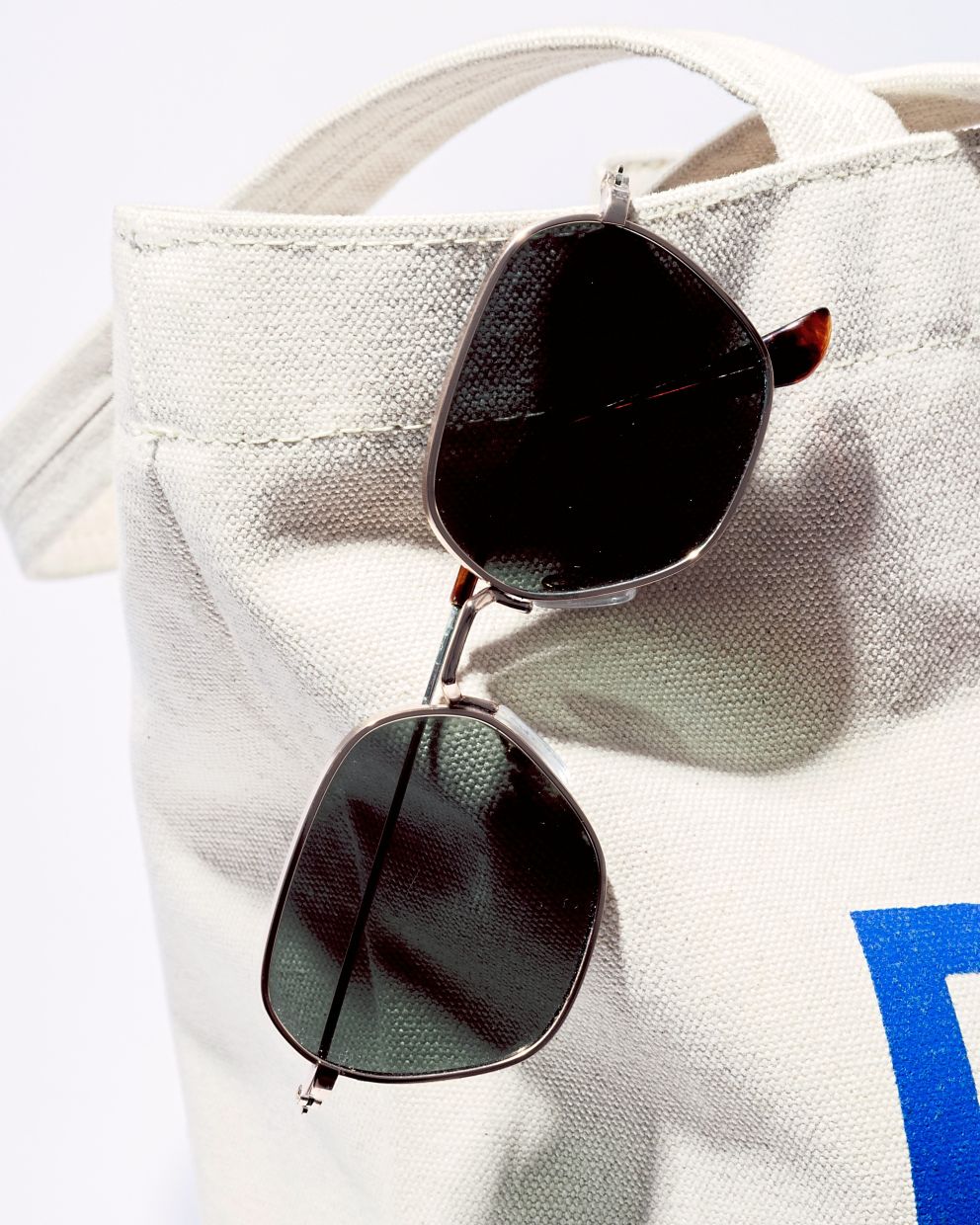
The medical consensus on eye protection from solar radiation is unambiguous: shielding your eyes from the sun's harmful rays represents a critical health measure, not an optional lifestyle choice. Leading ophthalmologists consistently emphasize that sunglasses function as a protective barrier equivalent to sunscreen for the delicate eye region. Dr. Laura Di Meglio, an assistant professor of ophthalmology at the Wilmer Eye Institute at Johns Hopkins Medicine, describes sunglasses as essential because they defend not only the eye's surface but also the vulnerable eyelid and surrounding skin. Yet the practical question remains whether people already wearing prescription eyeglasses need an additional pair of tinted lenses, a query that divides medical opinion and depends significantly on individual circumstances and lifestyle patterns.
Understanding the specific threat posed by solar radiation clarifies why eye protection matters. Sunlight delivers three categories of ultraviolet radiation—UVA, UVB, and UVC—though only the first two penetrate Earth's atmosphere. Of these two, UVB radiation presents a more pronounced danger to ocular health, though both varieties pose continuous risks regardless of weather conditions. The cumulative exposure to these invisible rays over decades can trigger progressive eye diseases and structural damage that might otherwise remain dormant or develop much later in life. For Malaysian and Southeast Asian residents, where equatorial and tropical positioning means year-round intense sun exposure, this consideration carries heightened significance compared to temperate regions.
The most commonly discussed consequence of unprotected UV exposure involves cataract formation, a condition where proteins accumulate within the eye's lens and gradually cloud vision. While cataracts naturally develop as part of the aging process, concentrated UV radiation can precipitate their onset years or even decades earlier than typical age-related progression. Dr. Bryce St Clair, assistant professor of ophthalmology at the Wilmer Eye Institute, warns that extended solar exposure accelerates this deterioration. Additionally, UV rays can intensify macular degeneration, a progressive disease affecting the retina's central region that progressively diminishes vision and, in advanced stages, may lead to functional blindness. These conditions represent irreversible damage, making prevention through consistent protection substantially more effective than attempting treatment after onset.
Beyond the major disease processes, sunlight triggers growth of benign but potentially troublesome ocular lesions. Pinguecula, a common manifestation, appears as a yellowish elevation on the white portion of the eye. Though typically causing only mild discomfort and rarely affecting vision, this growth indicates cumulative photochemical damage to the conjunctiva. More problematic is pterygium, a condition where abnormal tissue actually invades the cornea itself. As Dr. Di Meglio explains, advanced pterygium can progressively impair vision and occasionally necessitates surgical intervention. The preventable nature of these growths through consistent UV protection makes their development particularly frustrating for patients who might have avoided them through earlier protective measures.
The eyelid and surrounding facial skin deserve equivalent protection consideration. Approximately five to ten percent of skin cancers in the United States originate on the eyelid region, according to medical literature, and Dr. Dagny Zhu, a cornea and cataract specialist based in California, notes that virtually every cell type present in and around the eye can potentially undergo malignant transformation when exposed to excessive UV radiation. This represents a distinct concern from eye surface disease and warrants attention independent of other protective considerations. The delicate nature of eyelid skin and its frequent exposure to solar radiation makes this region particularly vulnerable to cumulative photodamage.
Beyond disease prevention, UV exposure contributes to visible signs of aging around the eyes. The unconscious squinting response to bright light triggers repeated muscle contractions that, over years, deepen expression lines and create periocular wrinkles commonly called crow's-feet. Dr. St Clair explains that sunglasses function protectively by allowing the orbital muscles to relax, eliminating this repeated microtrauma. Even individuals unconcerned about explicit disease risks may appreciate this aesthetic benefit, particularly given the high visibility of this facial region. The cumulative effect of decades of habitual squinting creates noticeable aging that protective eyewear could have prevented.
For those already wearing prescription eyeglasses, the protective situation is more nuanced than commonly assumed. Many individuals believe that only tinted lenses provide meaningful UV protection, but Dr. Sheri Rowen, a board-certified ophthalmologist and cataract surgeon, clarifies that properly manufactured clear prescription lenses offer equivalent protection to dark-tinted alternatives. Most modern eyeglass lenses are fabricated from polycarbonate, a material possessing inherent UV-blocking properties, while non-polycarbonate materials typically receive specialized coatings delivering comparable protection. The critical factor involves manufacturing standards rather than lens coloration. Clear lenses thus provide substantial protection while permitting superior optical clarity and eliminating the need for separate sunglass pairs during indoor-outdoor transitions.
Verifying actual UV protection requires minimal effort. Dr. Emily M. Schehlein, a Michigan-based ophthalmologist and spokesperson for the American Academy of Ophthalmology, recommends bringing existing eyeglasses to local optical retailers for testing to confirm protective specifications. Labels indicating "UV400" or "100% UVA/UVB protection" identify lenses blocking ninety-nine to one hundred percent of ultraviolet radiation. These terms prove essentially equivalent and represent accepted standards across the optical industry. In the United States, the Food and Drug Administration regulates sunglasses, rendering fraudulent UV400 labeling illegal, though consumers should exercise caution when purchasing extremely inexpensive eyewear lacking proper certification.
The relationship between brightness and eye discomfort versus actual disease risk requires careful distinction. Excessive brightness causes uncomfortable symptoms including eye fatigue, dry eye sensations, headaches, and visual discomfort—genuine quality-of-life concerns that justify wearing tinted lenses for subjective comfort. However, brightness alone does not statistically increase skin cancer risk or ocular growths, Dr. Rowen explains, meaning individuals tolerating bright light without discomfort derive no disease prevention benefit from tinted lenses specifically. The decision to wear sunglasses for brightness sensitivity reflects personal comfort preferences rather than medical necessity. Inexpensive sunglasses without genuine UV protection pose particular danger because dark lenses cause pupil dilation, paradoxically increasing UV exposure if the lenses lack protective filters—a situation where users believe they receive protection while actually absorbing higher radiation levels.
Comprehensive eye protection requires layered approaches exceeding eyeglasses alone. Dr. Rowen recommends combining eyewear with wide-brimmed hats and facial sunscreen, particularly during extended outdoor periods. Hats substantially reduce direct solar radiation reaching the eyes while shading the surrounding skin. Sunscreen prevents photodamage to the eyelid and periocular regions that glasses cannot adequately shield. For individuals living in tropical regions experiencing intense equatorial sun year-round, this combination approach yields substantially better protection than eyewear alone. The cumulative UV exposure in equatorial locations like Malaysia produces significantly higher lifetime eye disease risks compared to temperate climates, making comprehensive protection strategies particularly valuable.
Ultimately, the decision regarding daily sunglasses use represents a balance between protective benefit and practical convenience. Dr. Rowen emphasizes that people need not become paranoid about every outdoor moment; brief sun exposure carries minimal risk. Rather, the objective involves avoiding situations where direct, unobstructed sunlight maintains a clear path to the retina during extended outdoor activities. Regular outdoor workers, tropical residents, beach frequenters, and those with personal or family histories of eye disease warrant consistent protection, while office workers making brief outdoor transitions face substantially lower risk. The key involves understanding personal exposure patterns and adopting protection strategies matching actual risk levels rather than applying universal requirements. Clear prescription lenses offering UV protection eliminate the inconvenience of managing multiple glasses while maintaining protection during typical daily routines.

