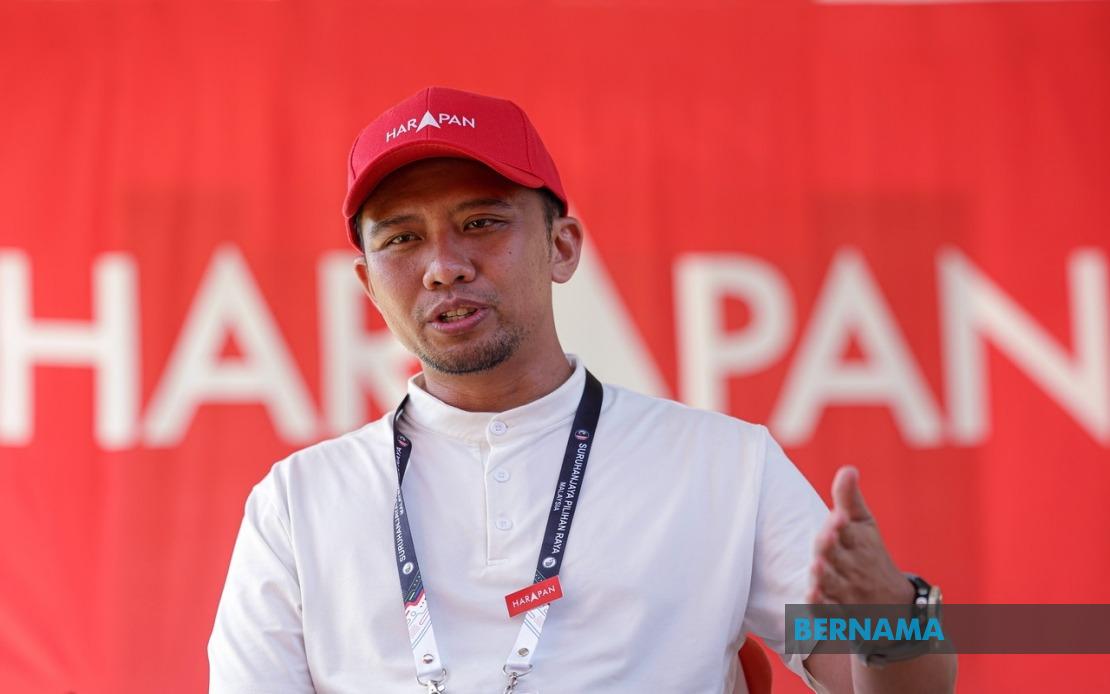
As campaigning intensifies for Negeri Sembilan's 16th state election, Pakatan Harapan candidate Dr Azizul Hakim Mahdi has adopted an unconventional approach to winning hearts on the campaign trail—he brings his medical credentials directly to voters' doorsteps. The 35-year-old private practitioner, who owns a clinic in Senawang, has transformed himself into a mobile healthcare provider, conducting free health assessments as he makes his way through neighbourhoods in his bid to represent the Rantau state seat.
This fusion of medical practice and electoral politics reflects a broader trend in Malaysian campaigning where candidates leverage their professional backgrounds to establish authentic connections with constituents. Rather than limiting himself to the standard repertoire of campaign promises and handshakes, Dr Azizul Hakim positions healthcare accessibility as both a personal mission and a policy priority. His approach proves particularly resonant in communities where residents, especially the elderly and those managing chronic conditions, have expressed frustration with healthcare gaps and affordability challenges.
During his door-to-door rounds, Dr Azizul Hakim conducts blood pressure checks, reviews medications, and ensures bedridden patients maintain their hospital appointments. This hands-on engagement offers him genuine insight into residents' healthcare anxieties while simultaneously demonstrating commitment beyond election rhetoric. The initiative transforms campaign discourse from abstract promises into tangible services, creating memorable interactions that extend well beyond typical political encounters. Such direct engagement proves particularly valuable in constituencies like Rantau, which encompasses some 34,831 voters dispersed across both urban and rural pockets.
Should he secure the mandate from Rantau voters, Dr Azizul Hakim envisions expanding this mobile medical unit concept to reach every residential neighbourhood and village within the constituency. This expansion would institutionalise what has been a personalised campaign tactic, potentially addressing healthcare access issues that plague less densely populated areas where fixed clinics remain distant. The proposal resonates with broader healthcare equity concerns across Malaysia, where rural and semi-urban populations frequently face barriers in accessing preventive care and routine medical consultations.
Beyond immediate healthcare delivery, Dr Azizul Hakim has articulated a comprehensive development vision for Rantau that addresses multiple dimensions of constituent concerns. A central pillar involves economic empowerment of younger residents through establishment of a small industry hub targeting Technical and Vocational Education and Training graduates. This initiative would facilitate entrepreneurial ventures in automotive maintenance, food processing, and related sectors, attempting to channel vocational skills into sustainable livelihoods rather than allowing qualified young workers to drift into underemployment or migration.
The Sendayan area specifically features in his development agenda through an affordable housing initiative, addressing acute accommodation pressures in this rapidly expanding locality. As second and third-generation Felda settlers seek improved living standards and young families migrate inward, housing affordability has emerged as a critical electoral issue. His proposal acknowledges the tension between Sendayan's desirable location and growth trajectory against the economic realities facing middle and lower-income households seeking family homes in the district.
Transportation infrastructure and traffic management constitute additional planks of his platform. Proposals to strengthen public transit options and deploy artificial intelligence-powered smart traffic lights reflect an awareness that rapid urban expansion without corresponding infrastructure investment generates bottlenecks and quality-of-life deterioration. These smart solutions address congestion while projecting forward-thinking governance, appealing to younger, technology-conscious voters and families navigating daily commutes.
Educational infrastructure expansion also features prominently in his agenda. Dr Azizul Hakim proposes augmenting schools and educational facilities through the Ministry of Education, recognising that Rantau's demographic growth has outpaced institutional expansion. Residents like Asilah Samad, a 37-year-old Sendayan local, have articulated clear frustration with insufficient schools and kindergartens struggling to accommodate the area's burgeoning child population, while early voting on July 28 and polling day on August 1 approach.
His opponent in what constitutes a straight contest is incumbent Datuk Seri Mohamad Hasan, who holds the additional positions of Foreign Minister and Negeri Sembilan Barisan Nasional chairman. The matchup thus pits an established political heavyweight with significant ministerial responsibility against a grassroots-oriented medical professional still building political credentials. This configuration reflects broader polarisation in Malaysian politics between experience-based incumbency and fresh-faced alternative visions.
Constituent voices underscore the local frustrations that Dr Azizul Hakim's platform attempts to address. Armed Forces veteran Rahman Hassan emphasised the housing shortage affecting Felda settlers, while residents highlighted inadequate public amenities, road infrastructure, educational facilities, and safety provisions including street lighting and CCTV coverage. These concerns transcend individual preferences, reflecting genuine service deficits that successive administrations have failed to adequately resolve, creating electoral vulnerability for incumbents.
The convergence of healthcare accessibility, economic opportunity, housing affordability, and infrastructure development in Dr Azizul Hakim's platform addresses interconnected quality-of-life dimensions that resonate across Malaysia's semi-urban constituencies. His unconventional campaigning method—literally providing medical services while discussing policies—establishes him as someone willing to engage constituents' immediate needs rather than maintaining professional distance from electoral politics. Whether voters prioritise his healthcare credentials and grassroots engagement over his opponent's ministerial experience and political infrastructure remains the central tension as polling day approaches.
For Malaysian political observers, this contest illuminates shifting electoral dynamics where professional expertise and constituent-centric engagement increasingly compete with traditional incumbency advantages. The integration of Dr Azizul Hakim's medical practice into his political campaign demonstrates growing recognition that voters increasingly expect politicians to demonstrate tangible commitment to public welfare through authentic professional application, not merely rhetorical promises.

