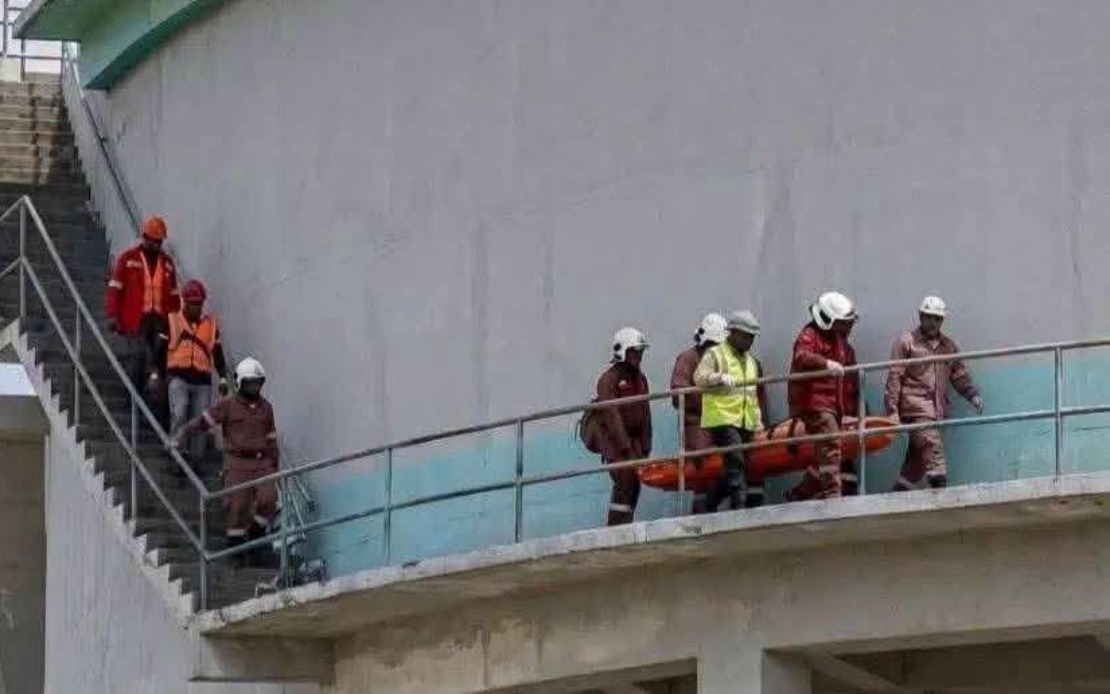
The Department of Occupational Safety and Health (DOSH) has launched a formal investigation into a workplace fatality that occurred during water tank cleaning operations at Menara Saujana Perdana 1 in Sungai Buloh, Selangor. An industrial trainee lost their life during the incident on June 16, prompting immediate action from Malaysia's occupational safety enforcement agency. Director-general Hazlina Yon confirmed that investigators from DOSH's Selangor regional office have already conducted an inspection of the work site and cordoned off the area to preserve evidence and prevent further disturbance.
The formal investigation is being conducted under Sections 15, 17 and 18 of the Occupational Safety and Health Act 1994, which establish the legal framework governing employer responsibilities and workplace safety obligations in Malaysia. These provisions place a comprehensive duty on employers, self-employed persons and other relevant parties to safeguard the wellbeing of all workers and anyone else who might be affected by workplace operations. The scope of the inquiry extends beyond the immediate facts of the incident; investigators are actively gathering witness statements and conducting a thorough examination of whether any breaches of occupational safety regulations occurred at the site.
Hazlina stressed that should investigators uncover violations of workplace safety law, DOSH will pursue appropriate enforcement measures against responsible parties. This investigative approach reflects Malaysia's commitment to holding employers accountable for lapses in safety standards that endanger workers' lives. The timing of this incident and investigation comes as Malaysia continues to refine its occupational safety culture across multiple sectors, particularly in high-risk industries involving confined space operations.
Confined space work represents one of the most hazardous categories of workplace activity, encompassing tasks such as tank cleaning, maintenance of underground structures and similar operations where limited entry and exit points create inherent dangers. These environments pose multiple simultaneous risks including oxygen depletion, toxic gas accumulation, structural collapse and entrapment. Hazlina's statement emphasized that employers must implement rigorous control measures before allowing workers to enter such spaces, underlining that compliance with established safety protocols is not optional but mandatory. She specifically highlighted the necessity of obtaining appropriate work permits before commencing confined space operations, a requirement often breached in industrial settings where cost or schedule pressures encourage cutting corners.
The regulatory framework requires employers to conduct comprehensive risk assessments before any work commences, with particular emphasis on high-risk activities like confined space entry. This assessment process must identify not only the obvious hazards but also potential interactions between different risks that could amplify danger. Once risks are identified, control measures must be designed and implemented to bring those hazards to acceptable levels. For confined spaces, this typically includes atmospheric testing, ventilation, rescue equipment positioning, and continuous monitoring throughout the operation.
A critical element that Hazlina emphasized concerns the training and supervision of industrial trainees and newly hired workers involved in hazardous operations. In Malaysia, where a significant proportion of the workforce comprises young or relatively inexperienced workers, ensuring they receive adequate occupational safety and health instruction before exposure to dangerous work is essential. Training must be specific to the tasks involved and the particular hazards present at the site, not generic workplace safety orientation. Supervision by competent individuals who can recognize emerging dangers and intervene appropriately represents another non-negotiable requirement that employers frequently fail to meet adequately.
The distinction between general safety training and competent supervision becomes particularly acute in confined space contexts. A supervisor must possess specific knowledge about confined space hazards, rescue techniques, and emergency response procedures. Many workplace fatalities in confined spaces occur when untrained rescue attempts by fellow workers compound the initial accident, resulting in multiple deaths. Malaysian employers must understand that hiring decisions about supervisory staff are themselves safety-critical decisions with potential life-and-death consequences.
Hazlina's reminder that employers must extend safety responsibilities to contractors and vendor personnel reflects a common liability gap in Malaysian workplaces. Organizations frequently engage external contractors for specialized tasks such as tank cleaning without ensuring those contractors maintain equivalent safety standards. This creates fragmented responsibility where the contracting company claims the contractor bore safety responsibility while the contractor operates with minimal oversight. Malaysian occupational safety law holds the principal employer accountable regardless of this contractual arrangement, establishing that responsibility cannot be contracted away.
For Malaysian readers and businesses, this investigation carries significant implications. Enterprises engaged in facilities maintenance, industrial cleaning, or similar operations must immediately review their confined space procedures against DOSH standards. The investigation's eventual findings will likely generate enforcement guidance that affects operational practices across the region. Companies that have postponed upgrading safety equipment or training programs face increased regulatory scrutiny and potential liability exposure. Insurance underwriters are also likely to demand evidence of adequate confined space management systems from clients in high-risk sectors.
The incident highlights a persistent challenge in Malaysia's occupational safety landscape: the gap between regulatory requirements and practical implementation in workplaces. While comprehensive legislation exists, enforcement capacity remains stretched and awareness among small and medium enterprises remains inconsistent. Industrial trainees, who often have limited job security and may fear speaking up about unsafe conditions, face particular vulnerability. This demographic represents a focus area for DOSH enhancement efforts, as protecting younger workers' safety establishes positive safety culture patterns that benefit entire organizations.
Moving forward, this fatality and investigation are expected to reinforce DOSH's messaging about confined space safety across Malaysian industry. The agency will likely conduct targeted compliance inspections at facilities that perform similar cleaning operations, particularly those employing large numbers of trainees or contract workers. Employers in relevant sectors should proactively engage with DOSH to review their procedures, update training programs and ensure documentation demonstrates compliance with all applicable requirements. The investigation's conclusion will provide instructive case material about what procedural failures contributed to this tragic outcome, offering learning opportunities across Malaysian workplaces to prevent similar incidents.