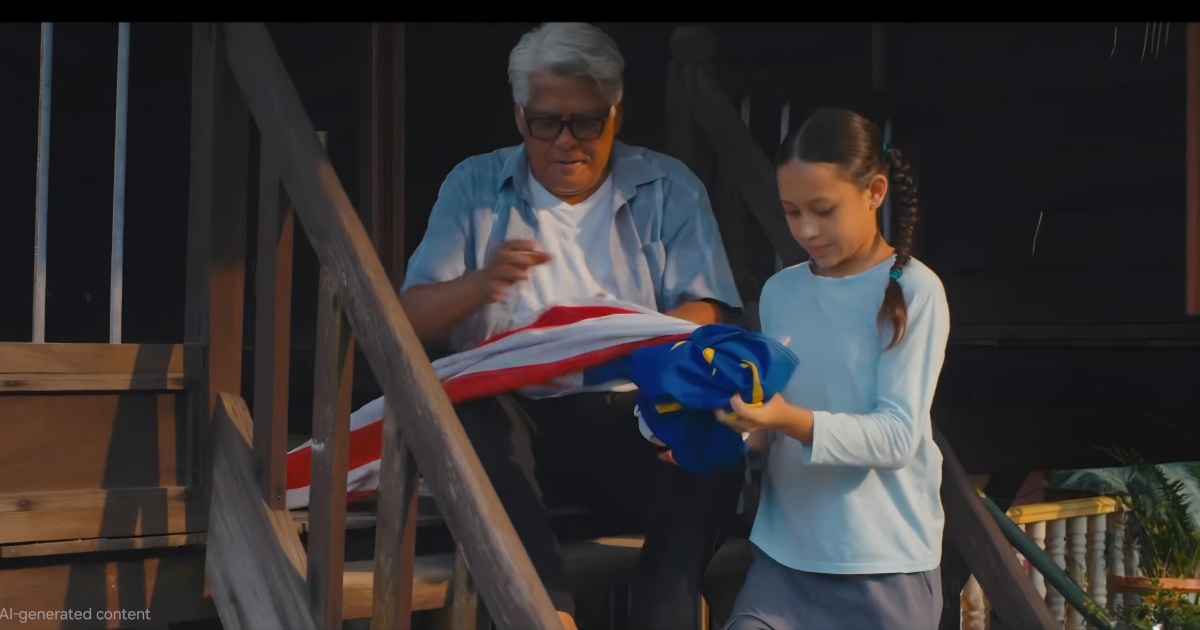
Deputy Prime Minister Datuk Seri Fadillah Yusof has released a moving eight-minute video message on his official Facebook page that has captured the attention of Malaysians during this year's Hari Kebangsaan celebrations. The production, which carries an unmistakably heartfelt tone, appears designed to reinforce core messages of national unity and inclusivity at a moment when such sentiments hold particular cultural significance for the country.
The timing of the video's release is notable, coming during the annual commemoration of Malaysia's independence on August 31st. Hari Kebangsaan remains one of the nation's most important occasions for reflecting on shared identity and collective purpose. By releasing the message through his personal Facebook platform, Fadillah has ensured direct engagement with constituents and the broader public, bypassing traditional media gatekeepers and tapping into the authenticity that digital platforms can convey.
The central messaging framework appears to centre on the proposition that Malaysia as a nation fundamentally belongs to all its inhabitants, regardless of ethnicity, religion, or socioeconomic background. This framing addresses one of the persistent tensions in Malaysian public discourse—questions about belonging, citizenship rights, and the nature of the social contract that binds the nation together. By articulating this inclusive vision during a key national moment, the video attempts to reorient political conversation toward shared values rather than divisive identity politics.
The emotional resonance of the production suggests careful consideration of both form and substance. Eight minutes provides sufficient duration to develop narrative depth while remaining accessible to audiences scrolling through social media feeds. The fact that viewers and online commentators have responded positively indicates the messaging has successfully connected with audiences at an intuitive level, transcending the typical distance between political messaging and public reception.
For Malaysian audiences accustomed to political communications that often emphasise particular community interests or highlight differences, a senior government figure explicitly articulating an inclusive national vision carries particular weight. The Deputy Prime Minister's position amplifies the message's authority while his willingness to address this theme suggests it reflects broader government thinking on national identity and social cohesion during a period of complex political dynamics.
The video's circulation through Facebook reflects evolving patterns of political engagement in Malaysia, where social media has become a primary channel for leaders to communicate directly with citizens. This direct-to-public approach circumvents traditional journalistic filtering and allows Fadillah to shape his message without intermediary interpretation. For younger Malaysians particularly, such platforms represent the primary source of political information and opinion formation.
The resonance of unity messaging during Hari Kebangsaan celebrations reflects enduring Malaysian aspirations toward cohesion despite real social divisions. The national holiday itself serves as an annual ritual reassertion of collective identity, making it an appropriate moment for political leaders to reinforce integrative themes. However, the fact that such messages generate notable online engagement suggests many Malaysians remain hungry for political voices emphasising commonality rather than sectional interests.
From a Southeast Asian perspective, Malaysia's multicultural model continues to attract international attention and study. The country's ability to maintain relative peace and coexistence across diverse religious and ethnic lines, despite periodic tensions, represents a significant achievement on a regional stage where communal conflict has sometimes erupted into violence. Senior government messaging reinforcing inclusive principles contributes to both domestic cohesion and Malaysia's regional standing as a functioning multiethnic democracy.
The video's reception also reflects broader generational shifts in how Malaysians consume political messaging and evaluate leadership. Digital natives accustomed to curating their own information sources respond to authenticity and emotional connection differently than audiences who relied primarily on traditional broadcast media. Fadillah's approach suggests awareness among senior government figures of these shifting dynamics and the importance of meeting citizens where they increasingly congregate—online and on their own social platforms.
The implications of such messaging extend beyond immediate symbolic value. By explicitly endorsing the principle of inclusive national belonging, Fadillah contributes to a political discourse that constrains space for exclusionary rhetoric, even as real debates about policy priorities and resource allocation continue. The video establishes normative terrain upon which political competition occurs, effectively setting boundaries for acceptable public discussion around national identity.
Moving forward, the success of this particular communication attempt may influence how other government leaders craft their own messaging around national occasions. If inclusive, unity-focused messaging continues to generate positive online reception and demonstrate political efficacy, it may gradually reshape the tenor of political discourse in Malaysia toward greater emphasis on commonality. Conversely, such gestures also risk appearing performative if not accompanied by concrete policy commitments that genuinely advance interethnic and interfaith cooperation.
The broader significance of this moment lies in how Malaysia's political leadership chooses to narrate national identity during a period of significant social and economic change. The video represents one articulation of Malaysia's self-conception, offered at a moment when Malaysians across different communities are reflecting on shared purpose and collective future.

