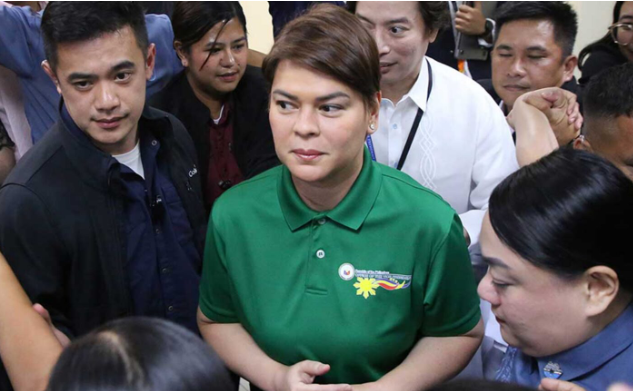
The impeachment trial of Vice President Sara Duterte has become a protracted constitutional battle over evidence and credibility, with the defendant maintaining on the trial's fourth day that prosecutors have failed to substantiate their most serious allegations. Duterte challenged the fundamental basis of the complaint, which centres on an alleged assassination plot against President Ferdinand R. Marcos Jr., First Lady Liza Marcos, and former Speaker Martin Romualdez—claims she herself had publicly disclosed months earlier. Her assertion that the prosecution's case rests on conjecture rather than fact has transformed what began as a dramatic national security matter into a technical legal dispute centring on documentary consistency and witness reliability.
The trial structure and pacing reveal the mammoth undertaking this constitutional process has become for the Philippine political system. The House prosecution panel operates under strict time constraints, with only 11 days allocated to present evidence on Article IV of the complaints, yet has managed to call just two witnesses while completing barely half of their available time. These limited witnesses have already exposed procedural vulnerabilities in the prosecution's presentation, including documentary inconsistencies that Duterte's defence team has seized upon to challenge the overall credibility of the investigation. The extended timeline—with the entire trial projected to consume 92 days and potentially continue into early 2027—signals that this impeachment may occupy the Senate's attention through much of the next presidential election cycle, fundamentally reshaping Philippine political discourse for months ahead.
The specific evidential challenge raised during Tuesday's proceedings demonstrates how impeachment trials can devolve into granular disputes about administrative details. Mark Vinluan, representing Duterte's defence, cross-examined NBI-Bangsamoro Autonomous Region in Muslim Mindanao Regional Director Jeremy Lotoc and identified discrepancies in affidavit dates and National Bureau of Investigation docket numbers. Such inconsistencies, while seemingly technical, carry substantial weight in legal proceedings where the integrity of investigative documentation becomes central to establishing credibility. For Malaysian observers familiar with rigorous evidentiary standards in Commonwealth-influenced judicial systems, these methodological weaknesses suggest potential vulnerabilities in the prosecution's entire investigative framework.
Duterte's rhetorical strategy has evolved to emphasise the institutional and democratic costs of proceeding without solid evidence. She articulated a broader critique extending beyond her individual case, arguing that the impeachment process itself becomes corrupted when based on manufactured narratives and speculation rather than demonstrated facts. This argument resonates with concerns about institutional integrity across Southeast Asia, where political conflicts occasionally blur the distinction between legitimate accountability mechanisms and instruments for factional advantage. Duterte framed the trial as a test of whether the rule of law depends on verifiable facts or susceptibility to political pressure and unsubstantiated claims.
The assassination plot allegations themselves originated from Duterte's own public statements months earlier, adding a singular dimension to this trial. Unlike typical impeachment proceedings where opposition forces introduce charges against reluctant defendants, Duterte essentially brought forward evidence of threats against the President and his family. This unusual configuration raises questions about prosecutorial burden and why the House opted to formalize her disclosures into impeachment articles requiring extended Senate proceedings rather than handling the matter through existing security and law enforcement channels. The choice to pursue impeachment reflects both the gravity with which legislators treated the alleged threats and underlying partisan tensions within Philippine government.
The prosecution's limited witness pool and slow progress through available examination time suggests possible resource constraints or difficulty locating corroborating testimony. Through the trial's fourth day, only two witnesses had testified, with Zuleika Lopez, Duterte's chief of staff, positioned as the prosecution's third witness. Lopez's expected testimony carries particular significance because she likely possesses direct knowledge of communications or events preceding the alleged assassination plot. Her role as chief of staff positions her as a key figure in either validating or undermining the prosecution's factual foundation.
From a Southeast Asian perspective, this trial illustrates broader tensions affecting contemporary Philippine governance. The institutional capacity required to conduct a 92-day impeachment proceeding while simultaneously managing regular legislative business, executive administration, and other constitutional responsibilities strains democratic systems. Malaysia, with its own experience of high-profile political conflicts and constitutional proceedings, offers relevant comparative context regarding the institutional disruption such trials create and the extended uncertainty they introduce into national governance.
Duterte's continued absence from trial proceedings also shapes public perception and legal strategy. Her decision not to personally attend, despite the trial's fundamental significance for her political career and constitutionalstanding, reflects confidence in her defence team's preparation and perhaps a calculation that physical presence would invite scrutiny or media-driven narrative control. Conversely, her absence may suggest strategy—allowing her defence to operate without the complications of managing her public statements or demeanour during cross-examination.
The trial's extended timeline creates political complications extending well beyond Duterte's immediate legal circumstances. With proceedings potentially continuing into early 2027, the impeachment will overlap with Philippine midterm elections and ongoing policy debates. Extended constitutional proceedings of this magnitude inevitably affect political momentum, legislative priorities, and public attention allocation. For regional observers, the trial demonstrates how internal Philippine constitutional struggles can consume institutional resources and political energy that might otherwise address regional cooperation, economic development, or external security challenges affecting Southeast Asia more broadly.

