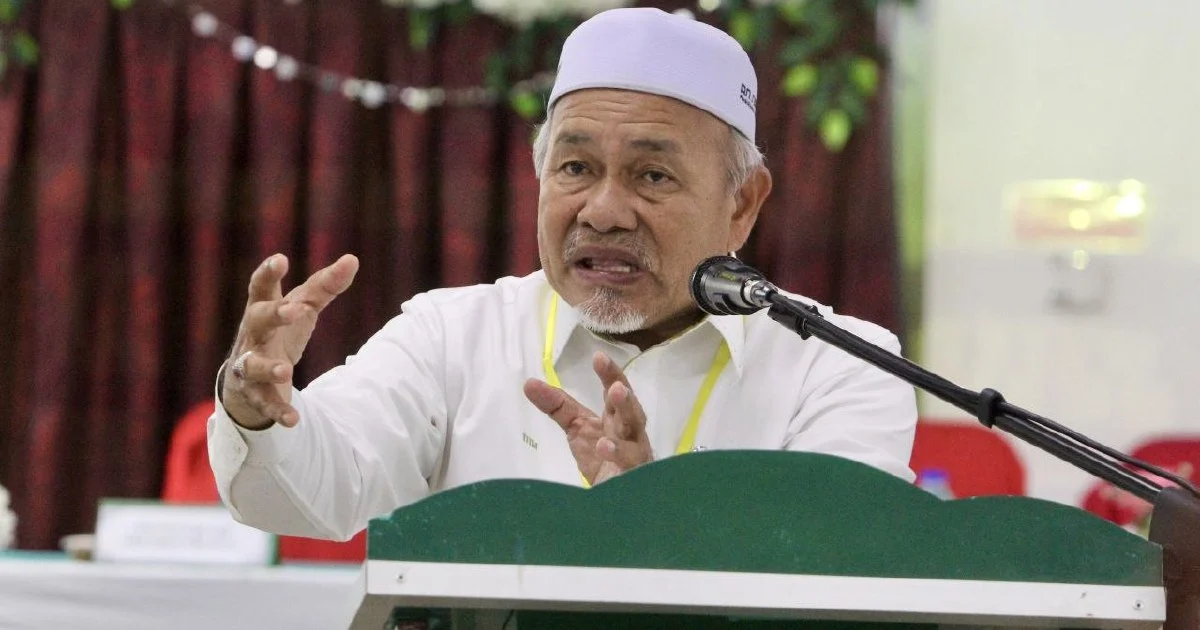
The likelihood of Malaysia holding a snap general election in the near term has diminished considerably following Barisan Nasional's commanding performance in the Johor state assembly elections, according to PAS deputy president Datuk Seri Tuan Ibrahim Tuan Man. The assessment carries particular weight given PAS's central role within the ruling coalition and its influence over decision-making at the highest levels of government.
Barisan Nasional's decisive victory in Johor, one of Malaysia's most important electoral battlegrounds, has altered the political calculus facing Prime Minister Datuk Seri Anwar Ibrahim. The coalition's strong showing suggests that the ruling government possesses sufficient electoral momentum and public support to maintain its current parliamentary position without needing to gamble on an early dissolution of the Dewan Rakyat. Such decisive state-level results often serve as bellwethers for national sentiment, providing ruling parties with confidence in their broader electoral prospects.
The timing of Tuan Ibrahim's remarks is significant within Malaysia's political context. The next federal general election is constitutionally due by September 2028, giving the current government considerable latitude in choosing when to seek a fresh mandate from voters. Early elections have traditionally been called by ruling administrations seeking to capitalise on temporary political advantages or surging popularity, but they also carry substantial risks of backfiring and handing power to the opposition.
Barisan Nasional's victory in Johor represents a crucial validation of the coalition's political standing in a state that has long served as a barometer for national political trends. Johor's electorate has historically influenced broader electoral patterns across Malaysia, making strong performance there particularly consequential for signalling broader acceptability among Malaysian voters. The coalition's success suggests it has successfully consolidated support among key demographic and geographic constituencies.
The composition of Malaysia's ruling coalition has evolved significantly since the 2022 general election, with PAS becoming an increasingly dominant force within Barisan Nasional itself. PAS's prominent position means its leadership regularly signals the coalition's strategic thinking on major political decisions. Tuan Ibrahim's statement that an early election appears unlikely should therefore be interpreted as reflective of broader coalition thinking rather than merely his personal assessment.
Anwar Ibrahim's administration has faced various challenges since taking office, ranging from economic pressures to managing internal coalition dynamics and constitutional matters. An early election would have represented a significant political gamble, requiring the Prime Minister to seek a fresh popular mandate despite already holding office. The calculated nature of such a decision means that political leaders typically only pursue this option when they possess extraordinarily strong confidence in their electoral prospects or when facing urgent political necessity.
The implications of Barisan Nasional's Johor success extend beyond simple electoral mathematics. A strong state-level performance typically generates positive momentum that strengthens a ruling government's negotiating position with its own coalition partners and increases its ability to implement policy agendas without constant parliamentary threat. This dynamic reduces the perceived urgency for early elections as a means of securing a working majority.
For Malaysian voters and political observers, the apparent shelving of early election speculation may prove broadly welcome. Election campaigns consume substantial national resources and create periods of political uncertainty that can affect economic activity and policy implementation. A stable timeline extending toward the constitutionally mandated 2028 deadline allows businesses and institutions to plan with greater certainty regarding the political environment.
The Johor result also carries implications for opposition parties, suggesting that their current standing may be insufficient to mount an immediate challenge to the ruling coalition at the national level. Opposition leaders would likely have welcomed an early election call that might have caught the government in a moment of apparent vulnerability, but Barisan Nasional's state victory has undermined that strategic logic. This dynamic may force opposition parties to focus on rebuilding organisational capacity and policy platforms for a longer-term campaign.
Regional observers across Southeast Asia will note how Malaysia's democratic processes continue to function through regular electoral cycles and leadership changes. While Malaysia's political system contains elements of competition between various coalitions and factions, the predictability of election timing supports broader confidence in institutional stability. For international investors and regional partners, the indication that elections will proceed on schedule rather than being called capriciously provides valuable reassurance.
Looking ahead, the period between now and 2028 will likely see substantial political manoeuvring as various coalitions and parties position themselves for the eventual general election. Barisan Nasional will seek to maintain its current momentum while managing internal pressures, while opposition parties will attempt to rebuild their fortunes and develop compelling alternative visions for governance. The apparent stability of having an election timeline extending to September 2028 provides the political system with breathing room for these processes to unfold.

