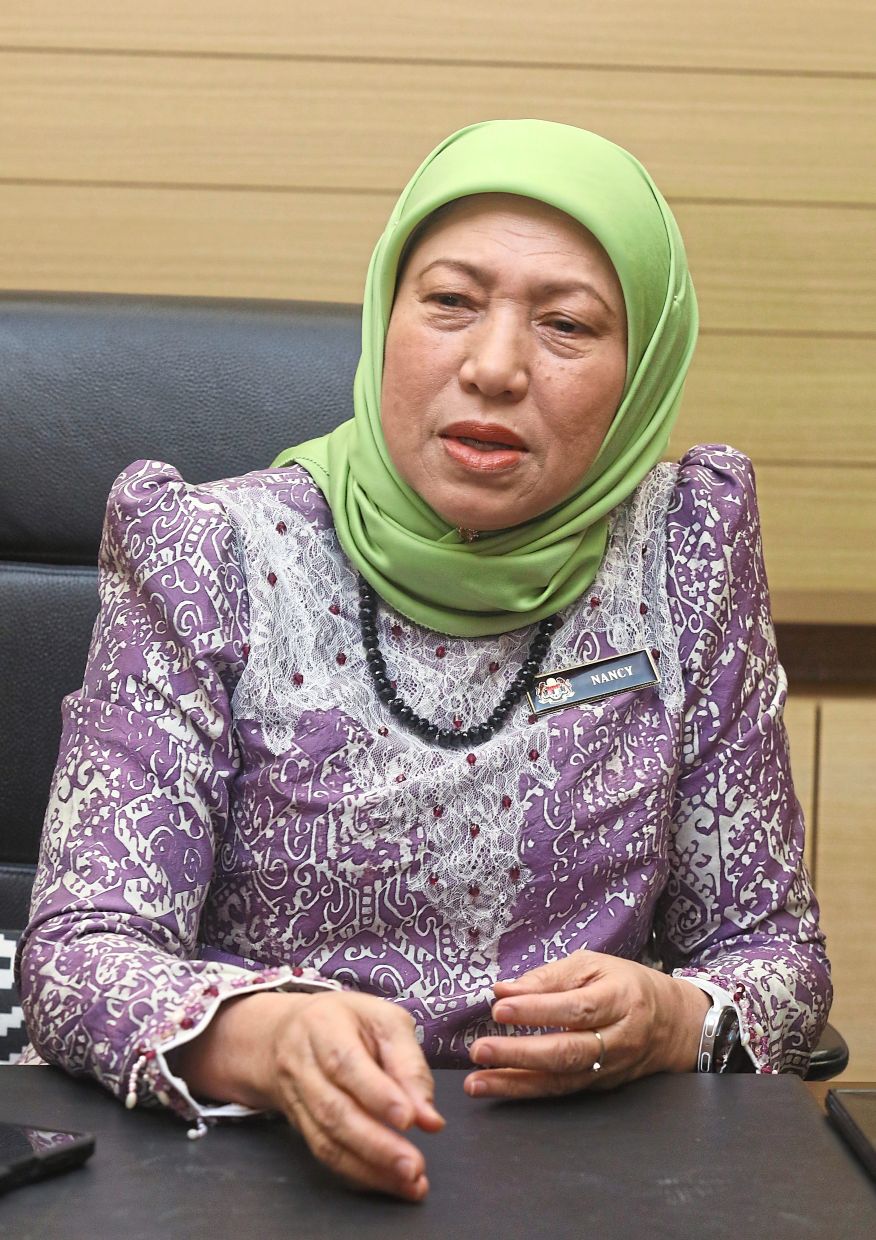
Parents of children with disabilities in Malaysia should prioritise early registration of their offspring as persons with disabilities (OKU), according to Women, Family and Community Development Minister Datuk Seri Nancy Shukri, who underscores how such registration serves as a gateway to substantial government support that can dramatically improve outcomes throughout a child's developmental years.
The registration process, which carries significant implications for Malaysian families managing special needs, represents far more than a bureaucratic formality. By obtaining official OKU status through the Social Welfare Department (JKM), children gain access to a comprehensive ecosystem of support services spanning welfare assistance, healthcare provisions, educational facilities and social development programmes that might otherwise remain unavailable to their families. Shukri's advocacy reflects growing recognition within Malaysia's government that early intervention and timely access to resources are fundamental determinants of how children with disabilities progress through their formative years.
The registration procedure itself is straightforward, requiring parents to submit their child's birth certificate or identification documents alongside medical certification confirming the disability. Additional supporting documentation requested by JKM must also accompany the application. Upon approval, families receive an official OKU card, which serves as documentary proof of disability status and becomes essential for accessing the layered array of government benefits and services. This tangible recognition creates a foundation upon which families can build their engagement with support systems across multiple sectors.
Once registered, eligible families unlock access to financial assistance programmes, rehabilitation services, early intervention initiatives specifically designed to support younger children, placement in special education facilities, and various concessions tailored to their needs. The breadth of this support network reflects Malaysia's evolving approach to disability inclusion, moving beyond traditional models that concentrated assistance only during school years. Shukri emphasised that delaying registration risks losing critical periods when early intervention can substantially shape a child's trajectory across learning, physical development and social integration.
A particularly significant aspect of Malaysia's support framework involves employment preparation and economic participation. The government has introduced job coach services, staffed by specially trained professionals who provide direct on-the-job support to individuals with disabilities seeking to maintain employment. These coaches function as intermediaries between employers and disabled workers, facilitating workplace accommodations and fostering environments conducive to long-term employment stability. This service model acknowledges that successful employment requires not merely job placement but sustained practical support addressing daily workplace challenges.
Complementing employment initiatives is Disability Equality Training (DET), designed to reshape how employers, human resources practitioners and colleagues understand and respond to disability. Rather than simply raising awareness, DET aims to cultivate fundamental attitudinal shifts within organisations, encouraging recognition of disabled individuals as valued contributors whose success depends on removing structural barriers rather than requiring disabled people to conform to existing systems. This approach aligns with contemporary international disability rights frameworks emphasising social inclusion over medical deficit models.
The government's commitment extends beyond childhood support into adulthood, acknowledging that aspirations and support requirements evolve significantly as individuals mature. Statutory organisations like PERKESO support persons with disabilities through rehabilitation programming, skills training and employment placement services. Digital platforms such as MyFutureJobs create searchable connections between OKU job seekers and employers offering appropriate opportunities, addressing the practical challenge of matching disabled workers with suitable positions in Malaysia's competitive labour market.
Expanding access to lifelong learning opportunities, vocational training pathways and entrepreneurship programmes represents another pillar of Malaysia's evolving disability support architecture. These initiatives recognise that economic independence and meaningful participation require sustained opportunities throughout working life, not merely initial job placement. By broadening options for continuous skill development and business venture support, the government addresses the reality that disabled individuals' capabilities and aspirations change across different life stages.
The significance of OKU registration for Malaysian families cannot be overstated, particularly in a regional context where disability support systems vary considerably. Early registration ensures children with disabilities benefit from foundational interventions during critical developmental windows when neural plasticity and early learning capacities are most responsive to targeted support. This timing matters substantially; children registered early gain months or years of advantage in accessing speech therapy, physiotherapy, special education and psychological services that shape their trajectories profoundly.
For families navigating the complexities of raising children with disabilities, registration represents a crucial step transforming abstract eligibility into concrete access. The administrative process, while requiring documentation and verification, yields returns spanning education, health, employment and social participation. Shukri's emphasis on registration reflects governmental recognition that disability inclusion requires proactive coordination across multiple agencies and sectors, with families requiring clear pathways to navigate interconnected support systems.
Ultimately, the government's vision articulated through Shukri frames OKU registration not as marking children as deficient but as enabling their full participation in Malaysian society. This reframing—from deficit-focused categorisation toward strength-based inclusion—represents meaningful philosophical evolution. When parents register children as OKU and access accompanying services, they simultaneously invest in their child's independence, dignity and opportunities for meaningful contribution throughout adulthood, creating pathways toward genuine inclusion rather than mere accommodation within existing social structures.

