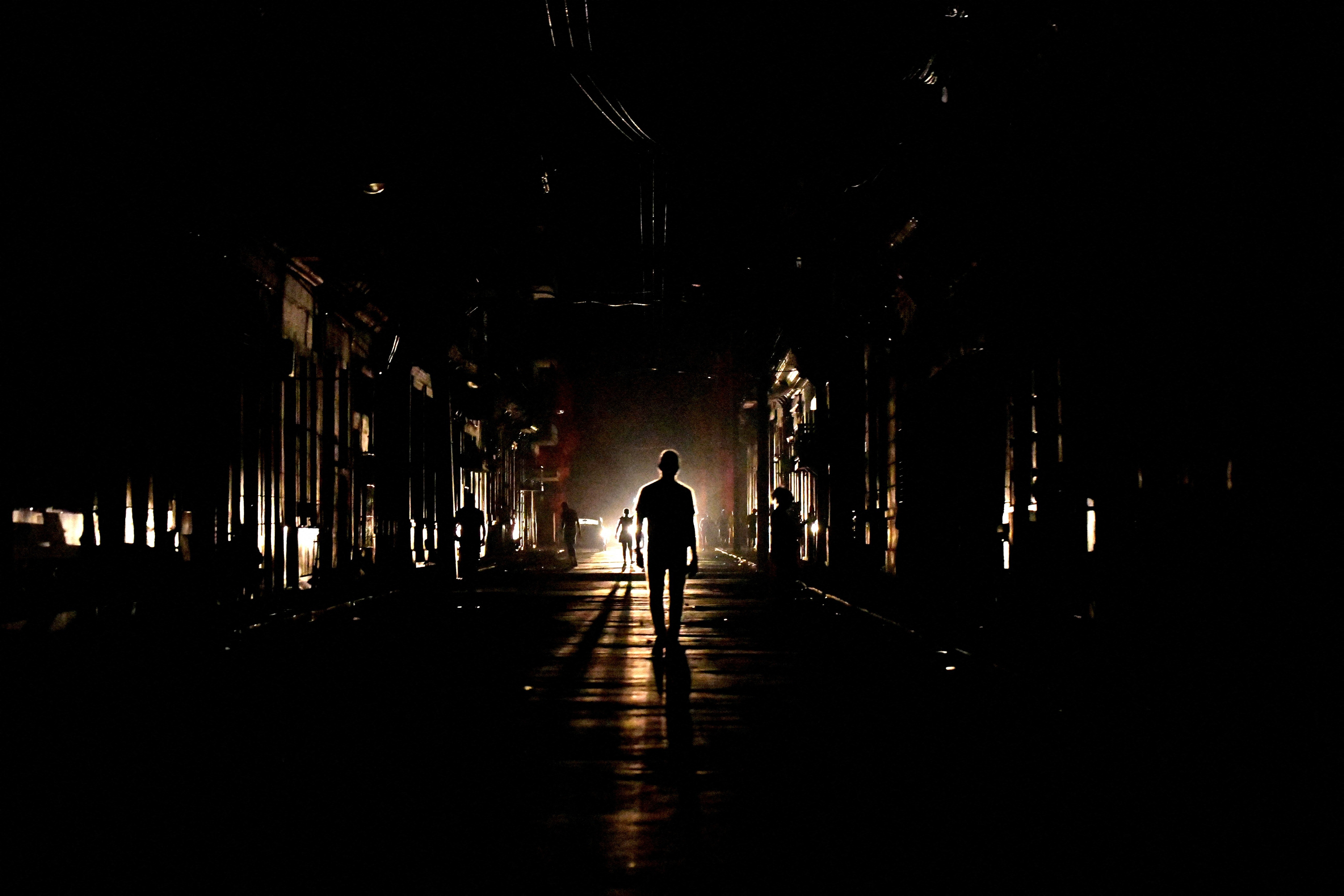
Eastern Libya experienced a severe and widespread power failure late Thursday evening, leaving Benghazi and numerous towns across the region engulfed in darkness. The blackout, which affected large swathes of the eastern territories, represents a fresh blow to a nation already grappling with acute infrastructure challenges and political instability. Footage from affected areas, including the city of Marj, showed streets and residential neighbourhoods suddenly deprived of electricity, disrupting the lives of hundreds of thousands of residents and halting essential services at a critical moment.
Benghazi, Libya's second-largest city and the administrative hub of the eastern-based government, bore the brunt of the outage. The blackout's scale underscores the fragility of Libya's power generation infrastructure, which has deteriorated markedly amid years of civil conflict and inadequate investment. The Electricity Ministry, operating under the authority of the House of Representatives-appointed administration in the east, eventually disclosed that several generation units had been temporarily offline, precipitating the crisis. This acknowledgement signalled that the outage stemmed from operational failures within the generation network rather than external sabotage or deliberate attacks—though given Libya's security environment, such possibilities remain conceivable.
The immediate human impact was severe. The ministry reported that the 1,200-bed hospital serving Benghazi had been without power during the outage, presenting an acute threat to patients requiring life-support systems and critical medical interventions. Beyond healthcare infrastructure, the blackout disrupted communications networks, water supply pumping systems, and commercial activity across the region. Residents relied on emergency lighting and backup generators where available, but most households lack such provisions. The ministry gradually began restoring power to the hospital and several neighbourhoods in southern Benghazi as generation units were brought back online, though this phased approach—designed to prevent grid instability—meant that much of the eastern region remained dark for extended periods.
The restoration process revealed the complexity of managing Libya's deteriorated electrical grid. Technical teams worked simultaneously across generation facilities, transmission networks, and distribution infrastructure to identify damage and restore connectivity. The ministry's decision to reintroduce loads gradually rather than attempting immediate full restoration reflects international best practice but also highlights how precarious the grid's stability has become. Overloading the system too quickly could trigger cascading failures across wider regions, a risk that technicians sought to mitigate by carefully managing the sequencing of power restoration across different sectors and neighbourhoods.
Investigators began examining the root causes of the outage, though initial technical assessments pointed to failures within generation capacity. Libya's power sector has long operated below demand, with generation facilities frequently offline for maintenance or due to lack of fuel supplies. The country's chronic fuel shortages, exacerbated by production disruptions at oil facilities, have constrained electricity generation significantly. Competing claims over control of oil revenues between the two rival governments have prevented adequate investment in generator maintenance and fuel procurement, creating a self-reinforcing cycle of infrastructure degradation.
This latest crisis emerges amid a period of intensifying security deterioration across Libya. Western cities including Zawiya and Sorman have experienced escalating armed conflicts in recent weeks, while drone strikes have targeted oil infrastructure in Zawiya, compounding supply disruptions. The electricity crisis represents merely one facet of a broader collapse in state capacity and public service delivery. Water systems, healthcare provision, and security services have all suffered as state institutions fragment and rival authorities compete for legitimacy and resources.
Underlying these immediate crises lies Libya's unresolved political division. Prime Minister Abdul Hamid Dbeibah's internationally recognized Government of National Unity controls Tripoli and administers western territories, while a rival administration headed by Osama Hammad, appointed by the House of Representatives, governs the east from Benghazi. This bifurcated governance structure ensures that national economic resources cannot be mobilized coherently, that infrastructure investments are duplicated inefficiently, and that no single authority commands sufficient legitimacy to implement difficult but necessary reforms. The resulting paralysis has left ordinary Libyans—who lack access to adequate electricity, clean water, functional healthcare, and economic opportunity—bearing the costs of elite political disagreements.
The United Nations Support Mission in Libya (UNSMIL) has invested considerable diplomatic effort attempting to broker reconciliation between these rival factions, with elections repeatedly proposed as a mechanism to confer democratic legitimacy on a unified government. However, political actors at the national level have repeatedly delayed electoral processes, citing disputes over constitutional frameworks and electoral rules. This protracted stalemate prevents the resolution of governance questions that have festered since the 2011 overthrow of Muammar Gaddafi, leaving Libya fractured and unable to address fundamental state failures like the power crisis affecting Benghazi.
For Southeast Asian observers, Libya's trajectory offers cautionary lessons about the consequences of prolonged political division and institutional collapse. When governments fragment into competing centres of authority, neither able to command national resources or implement coherent policy, infrastructure systems deteriorate, public services become unreliable, and populations suffer acute deprivation. The blackout affecting eastern Libya represents not merely a technical failure but a symptom of deeper state dysfunction that affects every citizen dependent on public services. Restoring electricity supplies requires not only repairing generating units and transmission lines but fundamentally resolving the political questions that prevent resources from being allocated to infrastructure adequately. Without progress toward political reunification and institutional reform, Libyans should expect similar crises to recur with increasing frequency.

