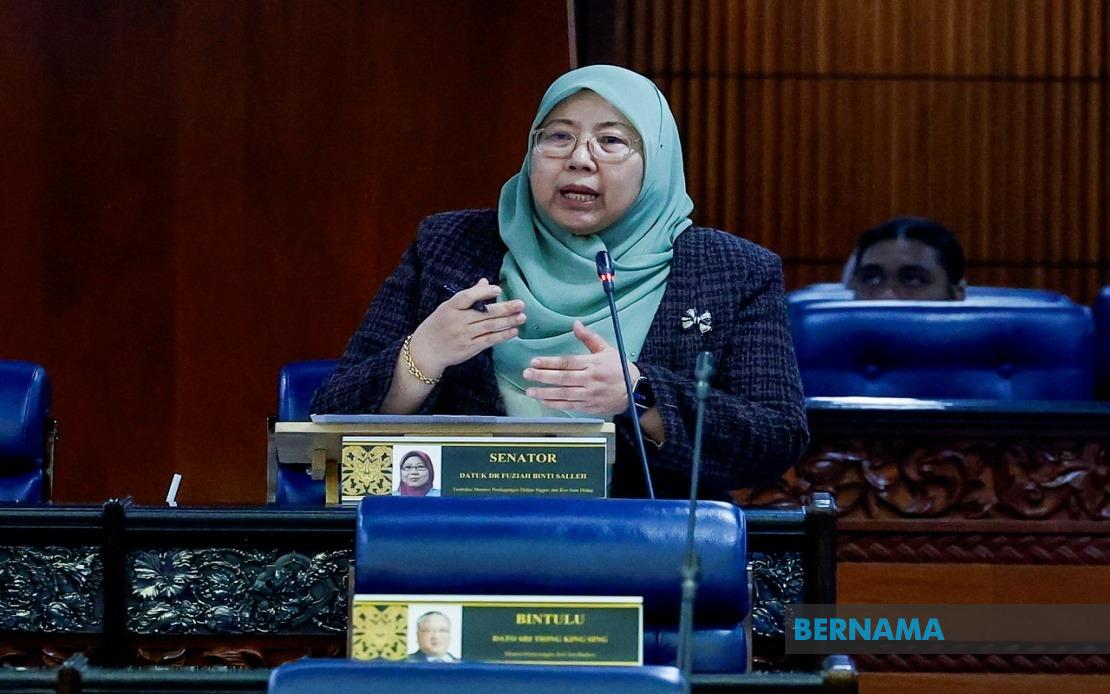
Malaysia's digital initiative to safeguard subsidised cooking oil has delivered measurable results since its launch, according to Deputy Domestic Trade and Cost of Living Minister Datuk Dr Fuziah Salleh. The Cooking Oil Price Stabilisation Scheme (eCOSS) mobile application, operational since May of last year, has successfully restricted leakages of the one-kilogramme subsidised packets while maintaining consistent market supply, the minister disclosed during parliamentary proceedings.
The assessment of the application's impact hinges on two critical metrics that the ministry has been monitoring. The steady availability of subsidised cooking oil at retail points nationwide and the minimal volume of consumer grievances filed suggest the system is functioning as intended. These indicators demonstrate that the government's approach to digitising subsidy controls is addressing one of the nation's persistent economic challenges: the diversion of price-controlled goods beyond their intended beneficiaries.
As of early July, uptake of the platform had reached 5.261 million registered Malaysian users, a substantial portion of the population eligible to access subsidised packets. Monthly purchasing patterns have stabilised at approximately 18 million packets, indicating that the application has created a transparent, trackable ecosystem for one of Malaysia's most critical food staples. This volume reflects a system that is functioning without the supply disruptions or artificial shortages that sometimes accompany subsidy mechanisms in developing economies.
Johor state exemplifies the scheme's practical impact on a regional level. Among the initial pilot jurisdictions, Johor has attracted 580,000 app users, whilst 1,093 of the state's 2,822 registered retailers have integrated the eCOSS platform into their operations. Perhaps most tellingly, complaint volumes regarding cooking oil shortages have plummeted dramatically, falling from nine reported incidents in June 2025 to merely two in the same month this year. This ninefold reduction underscores the tangible difference that digital tracking mechanisms can achieve in controlling subsidy leakages at ground level.
However, the government recognises that technological solutions cannot be universally imposed without consideration for demographic realities. Senior citizens and populations in rural and remote regions often lack either smartphones or sufficient familiarity with mobile applications to navigate complex interfaces. The ministry has therefore implemented a comprehensive support framework to ensure no Malaysian is excluded from accessing subsidised cooking oil based on technological barriers. Retail staff have been trained to assist customers at points of sale, circumventing the need for independent app usage.
The ministry has invested in public education through awareness campaigns and instructional videos designed to build digital confidence among less-experienced users. Importantly, the system has retained manual purchase pathways for citizens who do not own smartphones or prefer traditional transaction methods. This hybrid approach respects Malaysia's socioeconomic diversity whilst still leveraging technology to combat fraud and redirect subsidies toward genuine beneficiaries.
The eCOSS mobile application operates within a broader supply chain architecture that extends beyond simple point-of-sale transactions. The system provides what ministry officials term "last-mile connectivity," enabling real-time visibility across the entire distribution network from oil refineries through repackaging facilities, wholesale warehouses, and retail outlets to final consumers. This end-to-end transparency is fundamental to identifying irregularities or diversions that might occur at any stage of the supply chain. Such comprehensive tracking would have been impossible under pre-digital subsidy administration systems.
It is crucial to understand that the eCOSS application operates independently from enforcement operations conducted by regulatory authorities. Rather than serving as a direct law enforcement tool, the platform generates data that informs compliance assessment and identifies patterns worthy of investigation. Consumer complaints and systematic monitoring activities feed into this analytical process, allowing the ministry to evaluate the scheme's overall effectiveness in preventing unauthorised access to subsidies. This separation between the transactional system and enforcement mechanisms protects consumer privacy whilst still maintaining system integrity.
The ministry continues to refine the initiative based on user feedback and operational experience. As adoption spreads beyond pilot states and integration deepens among retailers, opportunities emerge to further optimise the application's functionality. Regional variations in implementation challenges, consumer behaviour, and technological infrastructure may require localised adjustments to standard protocols. The government's willingness to evaluate feedback suggests an adaptive management approach rather than rigid adherence to initial specifications.
For Malaysia's broader subsidy management architecture, eCOSS represents a significant institutional advancement. Historically, subsidised goods have been vulnerable to leakage into black markets, informal trade networks, and even cross-border smuggling operations. These diversions effectively represent transfers of government resources to non-intended recipients and criminal intermediaries. By digitising eligibility verification and purchase tracking, the scheme recuperates public resources that would otherwise be dissipated. The 5.26 million registered users constitute a verifiable beneficiary base, fundamentally different from the theoretical populations on which pre-digital subsidy allocations were based.
The implications extend beyond immediate cooking oil affordability. Successful implementation of eCOSS provides a proof-of-concept for digitised subsidy systems across other essential commodities and public services. As Malaysia continues modernising its social protection architecture, the lessons learned from this initiative—particularly regarding digital inclusion, consumer convenience, and fraud prevention—will likely inform future policy frameworks. Other Southeast Asian nations grappling with similar subsidy administration challenges are watching this model with considerable interest.

