The East Coast Rail Link, one of Malaysia's most ambitious infrastructure undertakings, stands poised to substantially bolster employment opportunities in Selangor's locomotive manufacturing landscape. During a state assembly discussion this week, officials revealed that the RM50.27 billion megaproject is anticipated to create roughly 2,000 positions within the state's rail equipment sector, representing a significant boost for local workers seeking careers in advanced manufacturing and technical roles.
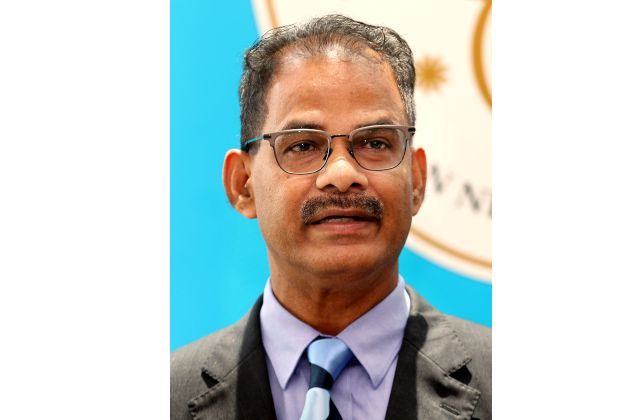
State human resources and poverty eradication committee chairman V. Papparaidu highlighted a particularly encouraging aspect of the ECRL initiative: approximately 80 percent of the jobs created will prioritize local manpower, ensuring that Selangor residents stand to benefit directly from the project's expansion. This emphasis on domestic employment reflects broader government commitments to equipping citizens with opportunities in high-value sectors that increasingly define Malaysia's economic trajectory, particularly as the nation positions itself within regional manufacturing networks.
Recognizing that infrastructure projects alone cannot guarantee successful workforce integration, the state administration has committed to bridging the skills gap through comprehensive educational and vocational preparation. Papparaidu underscored the government's intention to furnish prospective employees with specialized training aligned to locomotive industry requirements, acknowledging that aspirational young workers require targeted guidance to transition into technical roles demanding precision, safety awareness, and specialized competencies.
The inquiry arose from Nushi Mahfodz, representing Semenyih under the Perikatan Nasional banner, who pressed the state government on its strategic approach to connecting Technical and Vocational Education and Training graduates with opportunities across the locomotive, semiconductor, and manufacturing sectors. This line of questioning reflects broader concerns among elected representatives about whether existing vocational programs adequately prepare students for contemporary industrial demands, and whether systemic misalignments between educational output and employer expectations persist.
In response to these concerns, state officials have operationalized several employment facilitation mechanisms designed to streamline connections between job-seekers and available positions. The Kerjaya Selangor initiative, developed jointly with the Social Security Organisation, leverages the MyFutures Jobs digital platform to assess candidates' qualifications and professional capabilities against specific industry vacancies. Complementing this digital infrastructure, JobCare Selangor provides recruitment fairs where TVET graduates encounter prospective employers directly, creating interview opportunities that accelerate hiring processes and reduce placement timelines.
Statistics presented during the assembly session underscore the growing scale of vocational education in Selangor. Between January and mid-July this year, the state produced 10,111 TVET graduates, indicating robust output from technical institutions. Simultaneously, employers across Selangor advertised 78,030 job vacancies requiring diploma-level or advanced qualifications during the same period, suggesting persistent demand for skilled personnel outpaces supply in several sectors.
Within high-technology industries—particularly automotive, semiconductors, and advanced manufacturing—specialized positions constitute a meaningful portion of available opportunities. These roles, including automotive engineering posts, data scientist positions, and software development assignments, command premium compensation packages but simultaneously demand technical competencies that cannot be acquired through general education. This reality underscores why TVET pathways have gained prominence among education policymakers, as vocational programs uniquely position graduates for immediate productivity within technical environments.
However, officials acknowledged a significant implementation gap: the absence of comprehensive district-level mapping exercises that would correlate graduate skill distributions against localized industrial requirements. Papparaidu noted that Selangor's economic geography varies considerably across regions, with Shah Alam and Pelabuhan Klang serving distinct industrial functions compared to outlying areas. This geographic variance implies that workforce development strategies appropriate for Shah Alam's advanced manufacturing cluster may prove insufficient for Klang's port-dependent economy or rural Selangor's agricultural and small-scale industrial operations.
Addressing this shortcoming requires coordination between state authorities and educational institutions to obtain granular data regarding graduate specializations and geographic distribution patterns. Without such intelligence, policymakers operate with incomplete information when designing training initiatives or marketing employment opportunities to prospective workers. The proposed mapping exercise represents a logical step toward evidence-based workforce planning, yet its implementation demands sustained commitment and institutional capacity that extends beyond rhetorical commitments to practical resource allocation.
For Malaysian and Southeast Asian readers, this development carries broader implications regarding infrastructure projects' employment dimensions and the state's role in facilitating economic transitions. The ECRL exemplifies how megaprojects create multiplier effects extending beyond direct construction employment into manufacturing and service sectors. Yet realizing these benefits hinges critically upon workforce preparation mechanisms that currently remain fragmented across multiple agencies and platforms. As Selangor positions itself as a regional hub for advanced manufacturing and logistics, ensuring that local populations possess the technical skills demanded by employers becomes increasingly essential for equitable growth and social stability.

