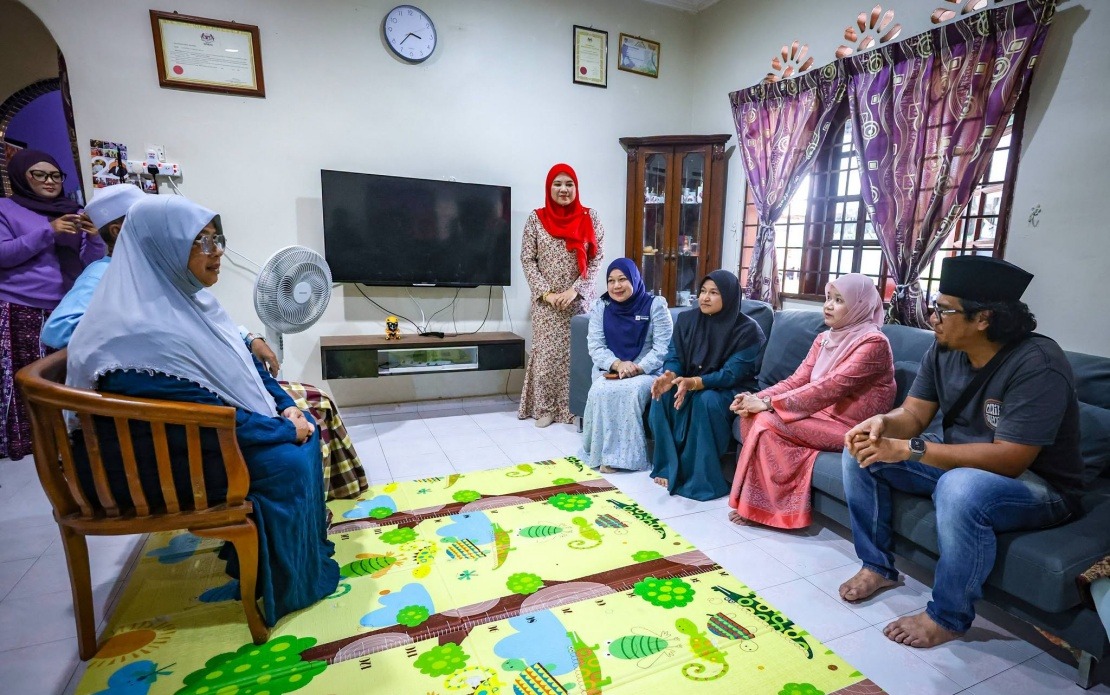
Education Minister Fadhlina Sidek travelled to Melaka on Wednesday to pay her respects to the family of Muhammad Raiyan Nufael, a Form Two student whose unexpected death during a rugby training session has prompted renewed scrutiny of safety protocols in school sports programmes. The 14-year-old collapsed at a school in Telok Mas on Wednesday evening, prompting immediate concern about the circumstances that led to his fatal collapse and raising broader questions about duty of care during athletic activities in Malaysian schools.
In her public acknowledgement of the visit, shared on social media, the Education Minister expressed the Ministry of Education's deep condolences to Muhammad Raiyan's parents. She invoked religious sentiment in her message, stating that the deceased student's soul would be granted peace and that his family would find strength to endure this profound loss. The gesture underscored the gravity with which the ministry views such incidents and signalled official recognition of the family's grief during an extraordinarily difficult period.
Accounts of the incident indicate that the teenager had been engaged in rugby training for approximately 15 minutes before the medical emergency unfolded. The critical moment occurred not during active play but rather during a briefing session following a training break, when the young athlete began experiencing acute respiratory distress. This timing has raised questions about conditioning, hydration, and the adequacy of rest intervals during training sessions, particularly in the tropical Malaysian climate where heat-related complications present a heightened risk.
The death represents a tragedy that extends far beyond the immediate family, resonating throughout the school community and raising urgent questions about the infrastructure supporting student athlete welfare. Malaysian parents and educators are increasingly concerned about the balance between encouraging youth participation in organised sports and ensuring that protective measures are sufficiently robust. Rugby, whilst gaining popularity in Malaysian secondary schools, demands particular attention to safety given its physical intensity and contact nature.
The incident occurred during a period when Malaysian schools have been gradually returning to full operational capacity following pandemic-related disruptions, with extra-curricular programmes, including sports training, resuming across the nation. This timing adds another layer of complexity, as schools continue to rebuild their athletic programmes whilst simultaneously grappling with questions about appropriate conditioning protocols and medical oversight. The death of Muhammad Raiyan serves as a stark reminder that the enthusiasm to restore normal school activities must be tempered with rigorous safety assessments.
Investigations into the circumstances surrounding the collapse would likely examine whether the student had pre-existing cardiovascular conditions that might have contributed to the tragedy, whether adequate medical personnel were present during training, and whether the intensity and duration of the session were appropriate for secondary school athletes. Malaysian medical professionals have long advocated for mandatory heart screening programmes for young athletes participating in contact sports, yet implementation remains inconsistent across schools nationwide.
The Ministry of Education's visible response through the minister's personal visit signals institutional acknowledgement of responsibility and concern. Such gestures carry symbolic weight in Malaysian culture, where official recognition of loss and expressions of sympathy from senior government figures are valued by bereaved families. However, meaningful follow-through through policy review, implementation of standardised safety protocols, and investment in school sports infrastructure will ultimately determine whether lessons are learned from this tragedy.
The incident also highlights the critical importance of coach training and certification in Malaysia. While many school coaches are dedicated educators, not all possess formal qualifications in first aid, CPR, or recognition of medical emergencies. Strengthening mandatory training requirements and ensuring that all schools maintain accessible defibrillators and trained personnel during athletic activities could substantially reduce preventable deaths in similar circumstances.
For Malaysian families with children in secondary schools, this incident crystallises concerns about the adequacy of duty-of-care frameworks in educational settings. Parents naturally expect that when their children participate in school-organised activities, comprehensive safety measures protect them from preventable harm. The death of Muhammad Raiyan underscores the necessity for transparent, uniform safety standards across all Malaysian secondary schools, particularly for high-intensity physical activities.
The tragedy also occurs within a broader context of similar incidents reported regionally, including student athlete deaths in neighbouring countries resulting from heat exhaustion, undiagnosed cardiac conditions, and inadequate emergency medical response. Regional sharing of best practices and evidence-based guidelines for youth athlete safety could help Malaysian schools implement more comprehensive protective measures.
Moving forward, the Education Ministry faces pressure to initiate comprehensive reviews of sports safety protocols, ensure adequate resourcing for medical support at training facilities, and strengthen oversight mechanisms. Public accountability for these measures will be essential in rebuilding community confidence that the system prioritises student welfare above competitive ambitions. Muhammad Raiyan's death represents not merely a personal tragedy but a catalyst for systemic examination of how Malaysia protects its young athletes.

