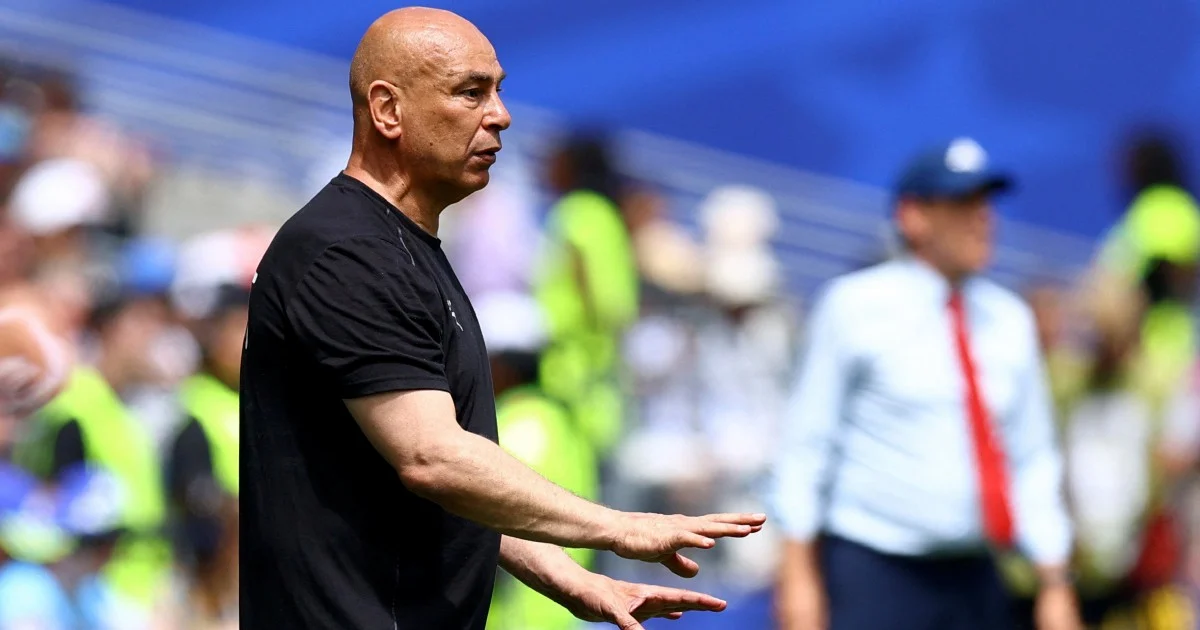
Egypt's coach Hossam Hassan has firmly rejected suggestions that tension exists between the squad and Mohamed Salah, the Liverpool forward who remains central to the team's World Cup aspirations. Speaking ahead of Sunday's Group G fixture against New Zealand at BC Place in Vancouver, Hassan emphasised that the Egyptian camp is functioning without the kind of internal friction that some observers have speculated about in recent days.
The timing of Hassan's statement comes at a sensitive moment for the Egyptian national team, which carries the weight of a footballing nation's expectations into this tournament. Salah, widely recognised as one of the world's elite attackers, has long been the focal point of Egypt's attacking strategy and a symbol of the country's footballing identity on the global stage. Any suggestion of discord involving him would inevitably create unwanted distractions precisely when focus needs to be sharpest.
For Malaysian and Southeast Asian audiences, the dynamics of the Egyptian squad carry particular resonance given the region's deep investment in World Cup narratives. The tournament traditionally acts as a mirror reflecting the collective dreams of nations across continents, and Egypt's campaign represents not merely a sporting endeavour but a significant moment for African football on the world stage. The potential for Egypt to advance from their group would represent a meaningful outcome for a confederation that has struggled consistently to assert itself at recent World Cups.
The Group G encounter with New Zealand presents a crucial test for Hassan's side. Rather than a confrontation between heavyweight contenders, this match carries the texture of a match where tactical discipline and mental fortitude become deciding factors. Egypt cannot afford the luxury of internal distractions or fractured focus, elements that Hassan's forthright denial appears designed to forestall entirely. The coach's assertive dismissal of rumours sends a clear message both internally to his players and externally to observers that the squad operates under a unified vision.
Salah's involvement in any controversy would carry outsized significance given his stature within Egyptian football and internationally. His performances at Liverpool have elevated the global perception of Egyptian talent, creating a pipeline of investment and attention that flows toward the national team whenever he represents his country. Protecting this relationship and maintaining squad harmony becomes tactically important for Hassan, who recognises that Salah's optimal performance directly correlates with the team's chances of success.
The New Zealand opposition, whilst not representing a traditionally dominant footballing force, brings unpredictability to Group G dynamics. Their relative lack of experience at elite tournaments can paradoxically create challenges for established sides expecting conventional patterns of play. Egypt's experience and technical quality should theoretically prevail, yet Hassan's focus on squad unity suggests he understands that psychological factors often determine outcomes when technical gaps exist.
From a Southeast Asian perspective, Egypt's progress would carry implications for the broader tournament narrative. African representation at World Cups remains contested terrain, with multiple nations competing for limited qualification slots. Egypt's success would affirm that the continent possesses the organisational capacity and talent to compete effectively at football's highest level, a narrative particularly relevant for smaller Asian federations navigating their own qualification challenges.
Hassan's categorical statement also reflects modern coaching philosophy that emphasises transparency and preemption of negative narratives. Rather than allowing speculation to fester, contemporary managers increasingly address potential divisions directly and publicly, transforming rumour into explicit denial. This approach recognises that information ecosystems surrounding major tournaments move rapidly, and silence often amplifies rather than diminishes unfounded claims.
The coach's confidence in asserting squad cohesion suggests internal dynamics remain positive despite whatever peripheral chatter may have circulated. Hassan's willingness to confront the question head-on indicates either supreme confidence in his squad's togetherness or a deliberate strategic choice to neutralise potentially destabilising narratives before they gain traction. Either interpretation suggests a manager exercising firm control over his environment.
Looking ahead to Sunday's match, Egypt faces the tangible challenge of converting their technical advantages into concrete results. The New Zealand game functions as a potential platform for the team to demonstrate precisely the kind of unified, focused performance that Hassan's comments suggest they possess. Success would vindicate his management philosophy whilst simultaneously advancing Egyptian hopes of navigating Group G successfully and progressing further into the tournament proper.
%22%2F%3E%3C%2Fpattern%3E%3C%2Fdefs%3E%3Crect%20width%3D%22100%25%22%20height%3D%22100%25%22%20fill%3D%22url(%23ph5r0sjg)%22%2F%3E%3Crect%20width%3D%22100%25%22%20height%3D%22100%25%22%20fill%3D%22url(%23ph5r0sjp)%22%2F%3E%3Ctext%20x%3D%2250%25%22%20y%3D%2250%25%22%20text-anchor%3D%22middle%22%20dominant-baseline%3D%22central%22%20fill%3D%22rgba(255%2C255%2C255%2C0.95)%22%20font-family%3D%22Georgia%2C%20'Times%20New%20Roman'%2C%20serif%22%20font-weight%3D%22700%22%20font-size%3D%22170%22%20letter-spacing%3D%22-0.02em%22%3EMalaysia%3C%2Ftext%3E%3C%2Fsvg%3E)
%22%2F%3E%3C%2Fpattern%3E%3C%2Fdefs%3E%3Crect%20width%3D%22100%25%22%20height%3D%22100%25%22%20fill%3D%22url(%23phllcpg)%22%2F%3E%3Crect%20width%3D%22100%25%22%20height%3D%22100%25%22%20fill%3D%22url(%23phllcpp)%22%2F%3E%3Ctext%20x%3D%2250%25%22%20y%3D%2250%25%22%20text-anchor%3D%22middle%22%20dominant-baseline%3D%22central%22%20fill%3D%22rgba(255%2C255%2C255%2C0.95)%22%20font-family%3D%22Georgia%2C%20'Times%20New%20Roman'%2C%20serif%22%20font-weight%3D%22700%22%20font-size%3D%22226%22%20letter-spacing%3D%22-0.02em%22%3EMarcos%3C%2Ftext%3E%3C%2Fsvg%3E)