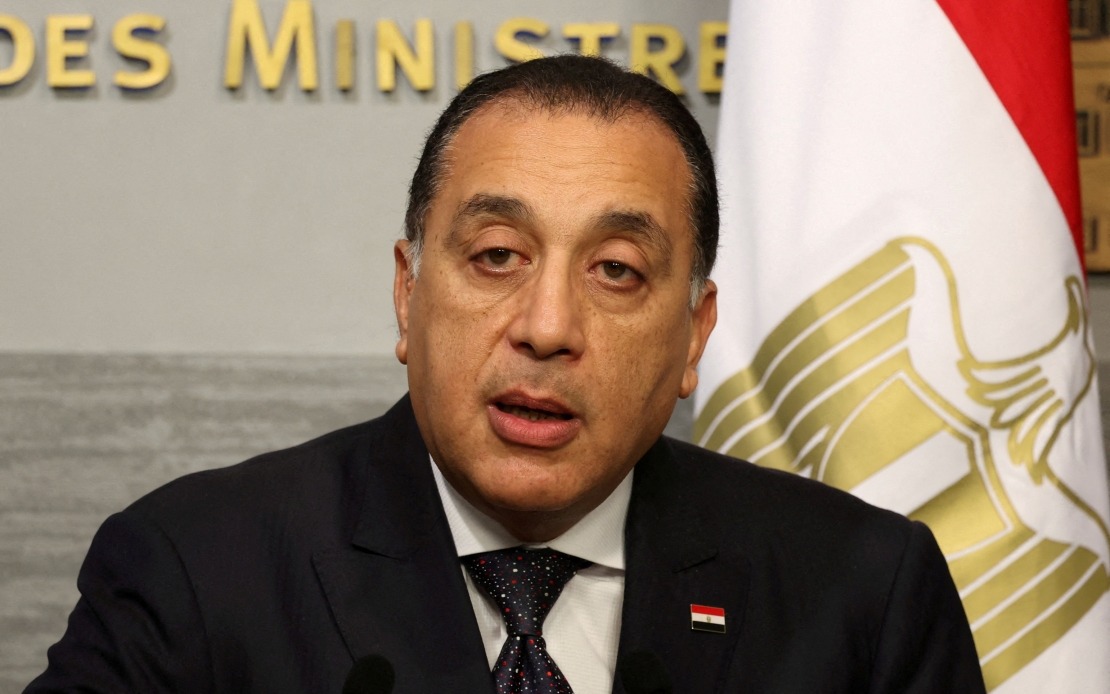
Egypt's ambitious nuclear energy programme has reached a critical milestone with Prime Minister Mostafa Madbouly confirming that the country's inaugural nuclear power station will begin supplying electricity to the grid in 2028. The announcement came during a high-level meeting with Alexey Likhachev, the chief executive of Russia's state nuclear corporation Rosatom, as construction teams completed the installation of the reactor pressure vessel for the second unit at the El Dabaa Nuclear Power Plant.
The El Dabaa facility represents a transformative shift in Egypt's energy strategy, positioning the Middle Eastern nation as an emerging player in nuclear power generation within the region. Located approximately 300 kilometres northwest of Cairo in Matrouh Province along the Mediterranean coast, the complex will eventually comprise four separate reactor units, each designed to generate 1,200 megawatts of electrical capacity. This infrastructure investment demonstrates the Egyptian government's recognition that conventional energy sources alone cannot sustain the country's rapidly expanding electricity requirements amid ongoing economic development and population growth.
Prime Minister Madbouly characterised the nuclear initiative as a defining moment for Egypt-Russia bilateral relations, emphasising that decades of anticipation for such a facility are finally materialising through institutional cooperation between the two governments. The project emerges from formal agreements established in December 2017, which provided the legal framework for Russian technical expertise and financing to flow into Egypt's energy sector. This partnership reflects broader geopolitical alignments and Cairo's strategic diversification of international partnerships beyond traditional Western energy relationships.
The timeline articulated by Rosatom officials indicates that following the connection of the first reactor in 2028, the remaining three units will sequentially enter operation by 2030, creating a fully operational four-reactor complex within just two years. This accelerated deployment schedule requires sustained coordination between Egyptian authorities and Russian contractors, alongside rigorous adherence to international nuclear safety standards and regulatory oversight. For Malaysia and other developing economies in Southeast Asia evaluating nuclear energy pathways, Egypt's implementation experience offers both cautionary lessons regarding timelines and valuable insights into managing international nuclear partnerships.
Egypt's strategic rationale for nuclear expansion centres on energy security and environmental objectives. The nation faces persistent electricity shortages that constrain economic productivity, particularly in manufacturing and heavy industry sectors. Simultaneously, growing climate consciousness and international commitments to carbon emissions reduction have motivated policymakers to transition away from fossil fuel dependence. Nuclear energy represents a carbon-neutral generation technology capable of delivering baseload power—electricity available continuously rather than intermittently—making it complementary to renewable sources like solar and wind facilities that Egypt is simultaneously developing.
The El Dabaa project's total generating capacity of 4,800 megawatts when fully operational will substantially augment Egypt's power infrastructure. To contextualise this contribution, Egypt's current installed capacity faces pressure from a population exceeding 100 million people and an economy reliant on energy-intensive industries including petrochemicals, cement production, and mineral processing. The nuclear facility will reduce dependence on imported natural gas whilst decreasing reliance on hydroelectric generation from the Nile River, which faces its own constraints from upstream dam operations and climatic variability.
Rosatom's involvement extends beyond reactor supply; the Russian corporation provides technical personnel, training programmes for Egyptian nuclear specialists, and operational support during the initial commissioning phases. This technology transfer component carries significance for Egypt's domestic nuclear workforce development, potentially creating skilled employment opportunities and building institutional capacity for long-term plant management. Regional observers note that Egypt's nuclear advancement may influence decision-making among other Middle Eastern and North African nations considering similar programmes, particularly regarding vendor selection and international partnership models.
The financing architecture underlying the El Dabaa project merits attention from Malaysian policymakers contemplating major infrastructure investments. Russia has provided substantial credit facilities to Egypt, enabling capital expenditure that would otherwise strain the government's fiscal position. This arrangement demonstrates how nuclear development in emerging economies frequently depends on concessional financing from technology-supplying nations, creating interdependencies that persist throughout the plant's operational lifetime when spare parts, fuel, and expertise remain necessary.
Safety considerations loom prominently in discussions surrounding Egypt's nuclear ambitions, particularly given the nation's location in a seismically active region and its experience with security challenges in recent years. International nuclear regulatory bodies have engaged with Egyptian authorities to establish appropriate governance structures, emergency response protocols, and waste management frameworks. The El Dabaa site selection reflected geological assessments concluding that coastal location offered suitable conditions for reactor cooling and safety system implementation, though ongoing monitoring remains essential.
The project's advancement also signals Egypt's confidence in regional stability and its capacity to maintain complex technological infrastructure amidst occasional internal security pressures. For Southeast Asian nations like Malaysia, Indonesia, and Thailand weighing nuclear energy options, Egypt's perseverance through multiple challenges offers perspective on the commitment required for successful programme implementation. The decision to proceed with nuclear development often reflects leadership consensus that benefits justify extended construction timelines, technological risks, and capital commitments spanning multiple government administrations.
Connecting the first reactor by 2028 places Egypt firmly within the global community of nations operating nuclear power stations. This membership confers both technical advantages through international cooperation frameworks and responsibilities for adhering to non-proliferation treaties and safety conventions. Egypt's programme development occurs within this complex international context, requiring diplomatic navigation alongside engineering execution.
Looking toward 2030 and beyond, Egypt's nuclear infrastructure will reshape the nation's energy landscape and potentially influence regional development patterns. Enhanced electricity availability could unlock industrial expansion, support population growth in emerging urban centres, and improve living standards through reliable power supply. The project exemplifies how strategic infrastructure decisions made today establish constraints and opportunities affecting economic trajectories for decades ahead, underscoring the importance of rigorous planning and international cooperation in major energy transitions.

