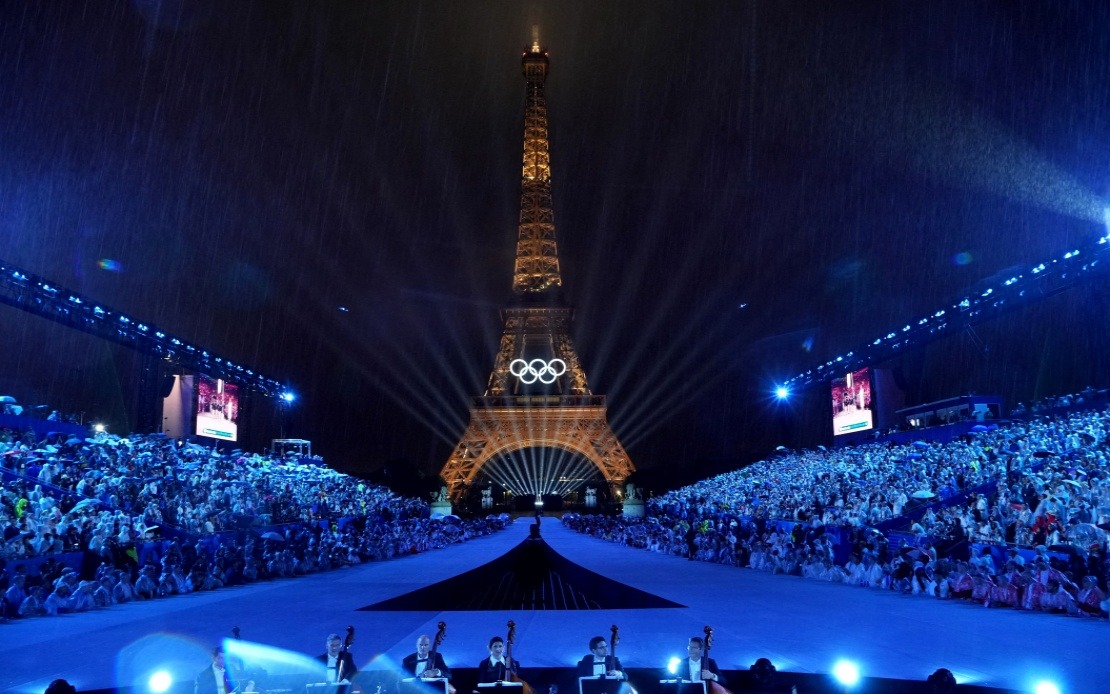
Paris's most visited monument took the extraordinary step of shuttering its doors at 4.00 pm on Tuesday as oppressive heat swept across France, forcing operators to prioritise the wellbeing of both employees and tourists navigating the landmark during dangerously high temperatures. The Eiffel Tower management announced that last entry to the site would occur at 12.15 pm, with visitors holding reservations for time slots beginning at 11.30 am for stair access and 12.00 pm for lift access automatically receiving refunds without requiring manual intervention.
The decision underscores the severity of the weather conditions affecting the capital and broader French territory. Operating company Sete, which manages the tower, issued a statement emphasising that adapting operations to extreme heat was not optional but a fundamental responsibility. The organisation stressed that staff safety and visitor protection formed the cornerstone of this decision, reflecting heightened concerns about heat-related health risks in crowded tourist environments where cooling infrastructure may be inadequate.
The Louvre Museum, another cornerstone of Paris's cultural heritage, announced parallel closures that would extend across multiple days. Rather than operating until its customary 6.00 pm closing time, the world's largest art museum would shut at 4.00 pm from June 24 through June 27, creating a coordinated response among major attractions to the prevailing conditions. This synchronised action signals how comprehensively the heatwave is disrupting normal operations across the tourism sector.
Meteo-France, the national weather service, painted a concerning picture of conditions across the country. Temperatures in the French capital had already reached 36 degrees Celsius by 4.00 pm on Tuesday, with forecasters warning that Wednesday's peak could climb to 38 degrees Celsius—approaching dangerous levels that pose genuine health risks, particularly for vulnerable populations and outdoor workers. The agency projected that these extreme conditions would persist through at least Thursday, ensuring several additional days of strain on infrastructure and public health systems.
The geographic scope of the emergency became apparent through the national alert system. Fifty-four departments across mainland France received red-level heat alerts—the most severe classification in France's multi-tiered warning system—while another thirty-five departments operated under orange alerts. This widespread activation of emergency protocols indicates that the heatwave transcended localised inconvenience and constituted a nationwide crisis requiring coordinated governmental and institutional response.
For Malaysian and Southeast Asian readers, France's experience offers instructive lessons about climate resilience and institutional adaptation. While tropical climates in our region routinely experience sustained high temperatures and humidity, the phenomenon of sudden, extreme heat waves in traditionally temperate zones demonstrates how shifting weather patterns affect even developed nations unprepared for such conditions. The rapid closure of major attractions illustrates that economic considerations—the substantial daily revenue generated by these monuments—ultimately yield to safety imperatives when conditions become sufficiently hazardous.
The operational decisions at the Eiffel Tower and Louvre also reflect evolving corporate responsibility standards in tourism management. Rather than attempting to maintain normal schedules despite dangerous conditions, these institutions recognised that overcrowding in inadequately cooled environments during extreme heat creates genuine health emergencies. This contrasts sharply with historical practices where tourist attractions remained open regardless of conditions, prioritising revenue over visitor welfare.
The heatwave's impact on France's tourism sector carries broader economic implications. June represents peak tourist season, particularly for international visitors, and early closures at flagship attractions inevitably reduce spending and visitor satisfaction. Hotels, restaurants, and transport providers across Paris face cascading disruptions as tourist flows diminish. For comparison, Malaysian tourism operators managing similar challenges during monsoon seasons or rare extreme weather events would recognise these trade-offs between safety protocols and commercial imperatives.
The psychological dimension of these closures warrants consideration as well. Visitors who have planned trips specifically to experience the Eiffel Tower or Louvre face disappointment and logistical complications. The automatic refund system, while generous, cannot fully compensate for disrupted itineraries. This reality highlights how climate extremes increasingly impose costs beyond direct health impacts, affecting holiday experiences and cultural tourism globally.
France's preparedness challenges also resonate across the European Union and beyond. Infrastructure designed for historical climate conditions faces strain under new extremes, whether air conditioning systems in public buildings, electrical grids managing increased cooling demands, or transport networks vulnerable to heat-induced failures. Southeast Asian nations, while accustomed to heat, nevertheless confront similar vulnerabilities as climate change intensifies precipitation extremes, typhoons, and occasional heat spikes beyond historical norms.
The coordinated response by multiple institutions suggests that French authorities and operators have developed decision-making frameworks for climate emergencies, at least regarding closures and visitor management. Whether similar protocols extend to broader workforce protections, healthcare system preparations, or energy infrastructure management remains less transparent. For Malaysian policymakers monitoring climate adaptation strategies, France's approach to landmark closures represents one component of comprehensive heat management, though perhaps not the most critical one.
Looking forward, the frequency and intensity of such heatwaves will likely force permanent changes to operating practices at major attractions. Some institutions may invest in enhanced cooling systems, modified hours during summer months, or capacity limitations during extreme weather. Others might embrace temporary closures as routine protocol during designated heat periods, normalising the disruptions that currently seem exceptional.
The broader context here involves recognition that climate change imposes costs across every sector and geography, whether tourism-dependent economies in Southeast Asia or heritage-focused tourism in Europe. The Eiffel Tower's early closure represents not merely an inconvenience but a tangible manifestation of shifting climatic conditions that increasingly intrude upon previously stable operational environments, compelling institutions worldwide to reimagine how they balance access, safety, and sustainability under evolving atmospheric conditions.