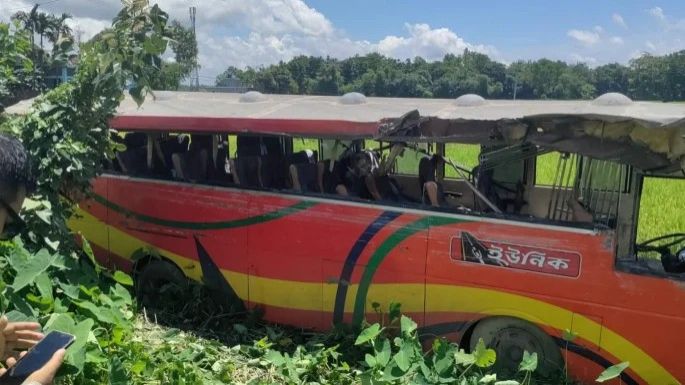
A tragic head-on collision between two passenger buses in Bangladesh's Sylhet region claimed eight lives on Friday morning, with another 25 people left wounded in the incident. The crash, occurring around 7:30 a.m. local time approximately 240 kilometres northeast of Dhaka, represents yet another fatal road accident in a nation grappling with consistently high casualty figures from traffic disasters.
Officer-in-charge Golam Mostafa of Sylhet's Osmani Nagar police station confirmed the death toll and injury count to journalists investigating the scene. While authorities have launched a formal investigation into the precise circumstances leading to the collision, initial reports suggest the buses struck each other head-on, a collision type typically resulting in severe outcomes for vehicle occupants regardless of protective measures.
Bangladesh's road safety crisis reflects systemic challenges that extend far beyond individual driver error or isolated mechanical failures. The nation's highway infrastructure remains inadequate in many regions, with poorly maintained roads lacking proper markings, barriers, and safety features that could prevent or mitigate the severity of collisions. The transportation network, particularly outside major urban centres, frequently falls short of international standards for passenger vehicle safety.
Vehicle maintenance constitutes another critical weakness in Bangladesh's road safety framework. Many buses and trucks operating across the country are decades old, with worn brakes, failing suspension systems, and compromised structural integrity that increases vulnerability during high-impact accidents. Operators often prioritise cost minimisation over essential maintenance, leaving vehicles mechanically unfit for safe operation on congested highways.
Driver behaviour and enforcement present perhaps the most visible dimensions of Bangladesh's road safety problem. Traffic regulations governing speed limits, lane discipline, and safe following distances are routinely ignored by drivers operating under pressure to complete routes quickly and meet revenue targets. The commercial incentive structure for bus operators—where fare income depends on rapid transit and maximum passenger loads—actively encourages dangerous driving practices rather than safety-conscious operation.
The traffic monitoring apparatus remains underfunded and insufficiently equipped to enforce road rules consistently across Bangladesh's sprawling network. Police checkpoints focus primarily on revenue collection through fines rather than systematic safety enforcement, while driver licensing standards lack rigour in testing competence and knowledge. This regulatory vacuum enables dangerous operators to maintain their positions without meaningful consequence.
The Sylhet collision follows a well-established pattern of preventable tragedies that have become disturbingly routine in Bangladesh. Previous high-casualty incidents involving buses and trucks demonstrate that piecemeal interventions have failed to produce meaningful change in road safety outcomes. Each disaster kills dozens, injures hundreds, and devastates families, yet the underlying structural problems persist largely unaddressed.
For Malaysian and broader Southeast Asian observers, Bangladesh's road safety crisis offers sobering perspective on the consequences of allowing transportation infrastructure and regulation to deteriorate. While countries in the region have made progress in accident reduction through investment in highways, enforcement technology, and driver training programmes, Bangladesh illustrates how quickly fatality rates can spiral when such investments are neglected. The economic cost of lost productivity, medical expenses, and family trauma compounds the human tragedy, diverting resources from development priorities.
Addressing this crisis demands comprehensive action across multiple fronts simultaneously. Highway rehabilitation projects must prioritise safety features including proper lighting, guardrails, and clear markings in high-risk areas. Vehicle inspection regimes need enforcement capacity to remove mechanically unsafe buses from service. Driver licensing standards require substantive reform, with testing that verifies actual competence rather than merely confirming identification. Commercial incentive structures must be restructured to reward safe operation rather than encouraging dangerous speed.
The Sylhet incident underscores how road safety intersects with broader governance challenges in Bangladesh, particularly regarding regulatory capacity and enforcement consistency. Addressing the nation's transportation fatality crisis ultimately requires sustained political commitment to funding safety infrastructure, training traffic enforcement personnel, and maintaining independent oversight mechanisms that prevent corruption and ensure compliance. Until these systemic issues receive serious attention, Bangladesh's roads will continue claiming preventable victims at rates among the highest in Asia.

