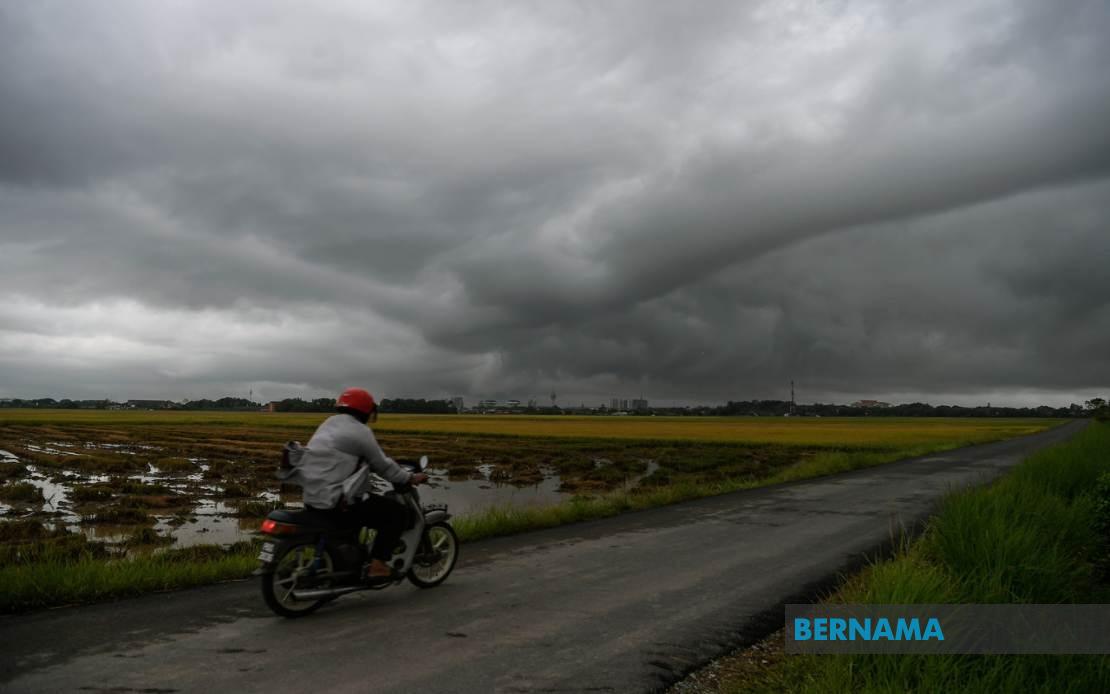
Malaysia's weather authorities have flagged a significant weather system moving across the nation, with the Malaysian Meteorological Department releasing an urgent advisory covering thunderstorms, torrential downpours, and gusty conditions affecting multiple districts across Peninsular Malaysia as well as East Malaysia until this evening. The alert underscores the volatile atmospheric conditions that have become increasingly common during the monsoon transition periods, posing potential hazards to road users, outdoor workers, and communities in low-lying areas.
The warning encompasses geographically dispersed regions, indicating the broad sweep of the weather system. Across Kedah, residents in Kota Setar, Yan, Pendang, Kuala Muda, and Sik are advised to exercise caution, while in Perak, the municipalities of Manjung and Perak Tengah face similar conditions. The advisory also extends to Kemaman in Terengganu and Kuantan in Pahang, reflecting how this frontal system is affecting the northern and eastern reaches of Peninsular Malaysia simultaneously.
Selangor, the nation's most densely populated state, has also been included in the warning, specifically the Hulu Langat district, which encompasses numerous residential and commercial areas. Negeri Sembilan residents in Jelebu and Seremban are likewise cautioned to prepare for deteriorating weather conditions. The inclusion of these central and southern regions suggests the system's widespread nature and its potential impact on the country's economic heartland, where many industrial and commercial activities could face disruptions.
East Malaysia faces comparable threats, with both Sabah and Sarawak receiving warnings for their respective vulnerable areas. In Sarawak, Sarikei which encompasses the Sibu region and Mukah covering Tanjung Manis and Daro are expected to experience the severe weather. These divisions are significant population centres and economic zones, particularly for timber and agriculture sectors. In Sabah, the Interior Division encompassing Keningau and Tambunan, the West Coast Division covering Papar and Penampang, and the Sandakan area including Kinabatangan are all flagged as risk zones, representing diverse terrain from highland communities to coastal settlements.
The simultaneous issuance of alerts across such a wide geographic span from Peninsular Malaysia to the island states suggests a substantial atmospheric disturbance rather than localized convective activity. Thunderstorms of this magnitude often develop rapidly and can persist for several hours, particularly when atmospheric conditions remain unstable. The strong wind component accompanying the rain adds another dimension to the hazard profile, potentially causing structural damage to vulnerable buildings, uprooted trees, and disrupted power lines.
For Malaysian travellers and commuters, the advisory carries practical implications. Roads in the affected areas may experience reduced visibility, accumulating water, and hazardous driving conditions. Public transportation services could face delays or cancellations, while air travel in affected regions may also be impacted. Construction sites and outdoor industrial operations typically suspend work during such warnings to protect worker safety, resulting in economic disruptions across affected districts.
The 6 pm deadline suggests that meteorological models indicate the system's intensity should diminish or move away from these areas by that time. However, residents and authorities should remain alert for potential updates, as weather systems can occasionally develop faster or slower than initially forecast, or shift track. The Meteorological Department typically maintains continuous monitoring and will issue revised warnings if conditions warrant extension or intensification.
For communities in flood-prone areas, particularly in districts with history of flash flooding during heavy rainfall events, the advisory serves as a timely reminder to take precautionary measures. Low-lying agricultural areas, residential zones near rivers and streams, and urban areas with inadequate drainage infrastructure face elevated risk during such events. Residents are commonly advised to avoid driving through flooded roads, secure loose outdoor items, and avoid outdoor activities until conditions improve.
The breadth of this warning illustrates the interconnected nature of Malaysia's weather systems during transition seasons between monsoons. What begins as a development in one region can rapidly affect multiple states and territories. This underscores the importance of maintaining robust weather monitoring infrastructure and effective communication channels to ensure timely public notification. For businesses, particularly those dependent on supply chain continuity or outdoor operations, such alerts necessitate contingency planning and operational flexibility.
MetMalaysia's proactive warning system represents an essential public service, providing communities and authorities with critical lead time to implement safety measures. The specific naming of affected municipalities enables residents and local authorities to understand precisely which areas face the highest risk, facilitating targeted response efforts. Citizens in the warned zones are encouraged to monitor further updates from official weather channels and heed safety advisories from local authorities throughout the remainder of the day.

