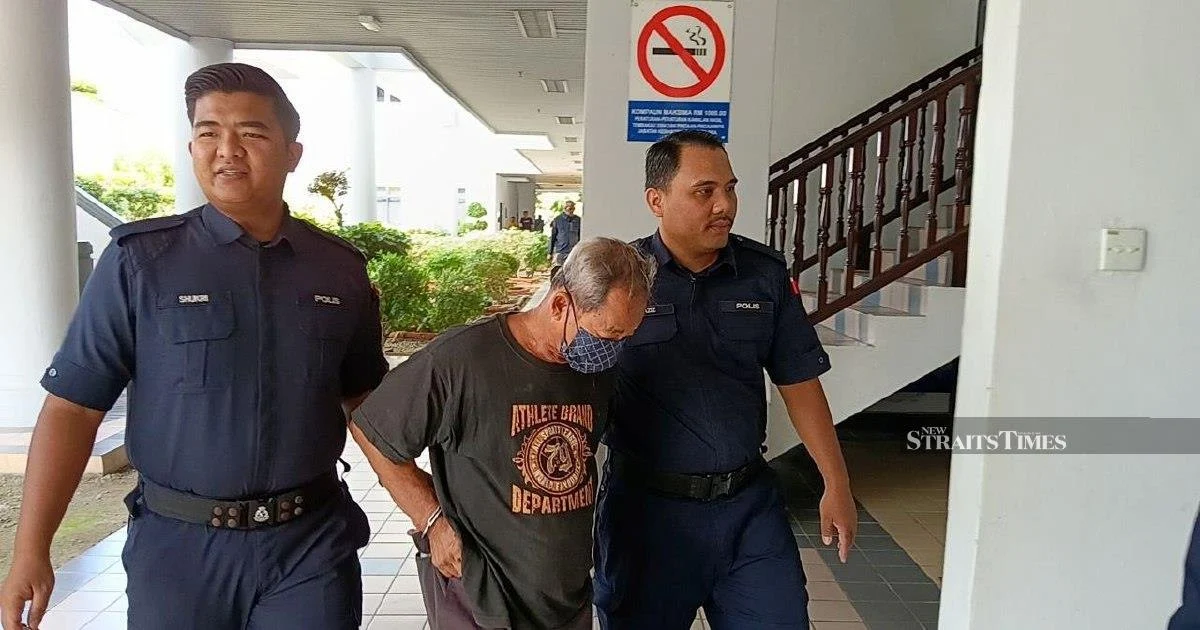
A senior citizen appeared before the Ayer Keroh Sessions Court in Melaka today, facing two separate charges of physically assaulting minors in a manner of a sexual nature. The accused stands accused of attacking two primary schoolgirls, with the alleged incidents occurring within a mosque storeroom. The formal laying of charges marks a significant escalation in what authorities describe as a serious breach of child protection standards within a community religious space.
The case highlights an uncomfortable reality facing Malaysian society: the vulnerability of children in environments typically regarded as safe and supervised. Mosques, as spiritual centres serving millions of Malaysians, host substantial numbers of families and children daily through religious classes, community gatherings, and informal activities. When allegations of abuse emerge from such spaces, they reverberate beyond the immediate victims to raise broader questions about institutional safeguarding and oversight. The use of a storeroom as the alleged location of the assault underscores how perpetrators may exploit secluded areas within community buildings to evade detection.
Child sexual abuse cases in Malaysia have drawn increasing public scrutiny in recent years, with advocacy groups and parents pressing for stronger preventative measures. The charges filed today represent one instance among a larger pattern of offences that continue to emerge across the country. Law enforcement agencies have expanded their capacity to investigate such matters, though critics argue that community education and prevention frameworks remain underdeveloped. Many parents express anxiety about allowing their children to participate in religious instruction and extracurricular programmes at mosques and similar institutions, fearing inadequate supervision or background checks on adult volunteers and staff.
The Ayer Keroh Sessions Court jurisdiction encompasses the broader Melaka region, a state that has experienced notable growth in reported child protection cases over the past decade. This development may reflect either genuine increases in offences, improved reporting mechanisms, or heightened community awareness—likely a combination of all three. The court system has had to adapt to handle rising caseloads, though concerns persist about the pace of trials and the availability of victim support services throughout the judicial process.
From a procedural standpoint, charges of sexual assault against minors typically demand rigorous evidence collection and sensitive handling of young witnesses. Malaysian courts have established protocols for protecting children giving testimony, including the use of screens, closed-circuit television, and specially trained officers. However, the emotional toll on victims and their families during extended court proceedings remains a documented concern. Advocacy organisations working with survivors report that the trauma of the initial incident is often compounded by the stress of formal legal processes.
The alleged offence within a mosque storeroom raises specific questions about mosque management and volunteer supervision. Religious institutions across Malaysia operate with varying levels of formal governance structures. Some larger establishments have developed comprehensive safeguarding policies, including background vetting, staff training, and designated safe spaces. Smaller or community-based mosques, however, may lack such frameworks, relying instead on traditional models of trust and informal community oversight. This patchwork of standards creates inconsistent protection levels for children across different religious spaces.
Parental awareness of child safety risks has grown substantially, particularly through social media and awareness campaigns by non-governmental organisations. Schools increasingly incorporate basic safety education, teaching children to recognise inappropriate contact and encouraging disclosure to trusted adults. Yet experts note that knowledge gaps remain, particularly regarding how to report suspected abuse through official channels and what to expect from investigations and court proceedings. For many families in Malaysia, speaking about sexual abuse remains culturally sensitive, potentially leading to underreporting.
The investigation and prosecution process for sexual abuse cases involving minors requires coordination between multiple agencies: police, medical professionals, prosecutors, and child protection specialists. In Melaka, the Royal Malaysia Police's dedicated investigation teams work alongside the Public Prosecutor's office and social welfare departments. The complexity of gathering forensic evidence, obtaining credible witness statements from children, and building cases that withstand legal scrutiny means investigations often extend over months. Today's charges suggest that investigators found sufficient evidence to proceed, though the burden of proof at trial will require clear demonstration beyond reasonable doubt.
The case also intersects with broader discussions about accountability and institutional responsibility. Following high-profile abuse cases in other countries, societies have increasingly held community organisations accountable for preventative failures, even when leaders claim ignorance of misconduct. In Malaysia, this accountability framework remains developing. Religious institutions, while bound by general criminal law, have not faced consistent requirements for mandatory reporting, background screening, or safeguarding training comparable to schools or childcare facilities.
For the victims and their families, today's court appearance represents both an important step toward accountability and potentially a long journey through the legal system. Counselling and support services become critical, as do protections against secondary victimisation during cross-examination. Child protection advocates emphasise that successful prosecution must be accompanied by comprehensive support, allowing young survivors to process trauma and rebuild trust in community institutions.
The case underscores Malaysia's ongoing challenge of balancing safeguarding improvements with cultural and religious sensitivities. Effective child protection requires transparent institutional policies, accountability mechanisms, and community engagement that respects religious traditions while prioritising vulnerable populations. As the case progresses through the court system, it may establish important precedents regarding the responsibilities of religious institutions and the evidence standards required in cases involving young complainants.

