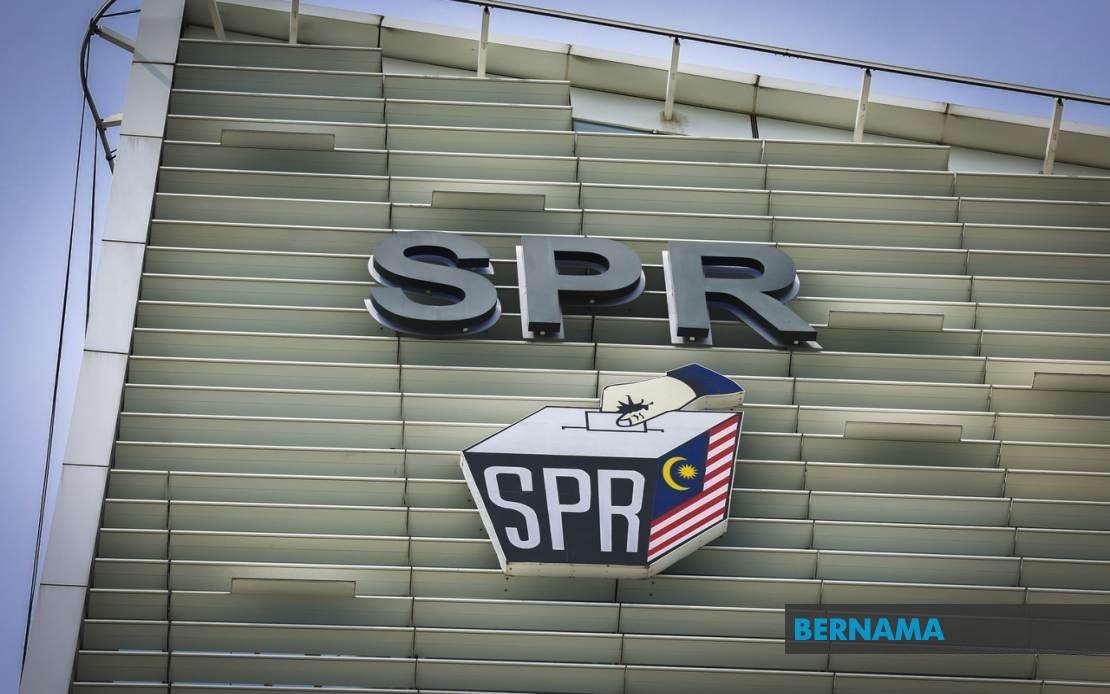
The Election Commission has completed the distribution of postal ballot papers for the 16th Negeri Sembilan state election, with 13,263 papers issued on July 20 to various categories of eligible voters unable to cast their ballots in person on polling day. The exercise marked an important preparatory phase for the state poll scheduled for August 1, with early voting set for July 28, ensuring that professionals in essential services and overseas Malaysians can participate in the democratic process.
According to Election Commission secretary Datuk Khairul Shahril Idrus, the postal ballot distribution operated under the Elections (Postal Voting) Regulations 2003, a framework designed to accommodate citizens whose duties or circumstances prevent them from voting at physical polling stations. The distribution process was overseen transparently, with representatives from all 103 contesting candidates and independent candidates present to observe the proceedings, reinforcing the integrity of the electoral mechanism.
The largest cohort of postal voters comprised 12,669 individuals receiving ballots under Form 1A, a category encompassing election officials and EC members, law enforcement personnel, military servicemen and women, and accredited media practitioners. These groups, essential to maintaining public order and national infrastructure during election day, would be unable to exercise their voting rights through conventional means without potentially compromising their professional responsibilities. The inclusion of media practitioners reflects the recognition that press personnel covering the election across Negeri Sembilan require special voting arrangements.
A smaller but internationally significant segment involved 343 Malaysian citizens residing abroad, who received postal ballots under Form 1B. This provision acknowledges the substantial numbers of Malaysians working, studying, or residing in foreign countries and ensures that geographical distance does not disenfranchise them. For these voters, postal voting represents a crucial mechanism for maintaining their democratic participation and connection to their home state's governance.
The third category, comprising 251 ballots issued under Form 1C, targeted officers from eleven agencies operating in security and health sectors. These personnel, likely including healthcare workers and security personnel from various state and federal agencies, face scheduling challenges that make physical voting difficult. Recognizing their essential contributions to public welfare during election day, postal voting arrangements accommodate their inability to be absent from their posts.
The Election Commission emphasised critical procedural requirements for all postal voters. Ballot papers must be marked with extreme care, with the accompanying Identity Declaration Form, designated Form 2, completed in full and accurately to ensure validity. Postal voters must return their completed ballots to the relevant returning officers before 5 pm on August 1, a deadline that requires prompt action to prevent disenfranchisement through missed deadlocks.
Voting secrecy, a cornerstone of democratic integrity, remains paramount in the EC's messaging to postal voters. The Commission explicitly reminded all recipients to refrain from photographing their ballot papers or sharing such images on social media platforms. This cautionary language reflects growing concerns about vote-buying schemes, coercion, and the misuse of social media in electoral contexts, a challenge that resonates across Southeast Asia as digital platforms become increasingly intertwined with political participation.
The Negeri Sembilan state election represents a substantial electoral undertaking, with 103 candidates competing across 36 state assembly seats. The electoral roll, updated as of June 4, 2026, reflects a state population of significant political weight within Malaysia's federal framework. The registered voter base totals 889,490 individuals, comprising 867,151 ordinary voters alongside 16,884 military personnel and their spouses, and 5,455 police personnel eligible for early voting arrangements.
The inclusion of military and police personnel as designated early voters underscores the practical challenges of conducting elections within Malaysia's security apparatus. These groups, bound by service obligations and operational requirements, would find conventional voting day participation disruptive to national security and public order operations. The staggered voting arrangements, therefore, reflect a pragmatic balance between ensuring democratic representation and maintaining institutional functionality.
For Malaysian and Southeast Asian observers, the Negeri Sembilan election demonstrates the sophisticated administrative machinery required to conduct free and fair elections across diverse populations and geographic contexts. The detailed categorisation of postal voters, the transparent observation by candidate representatives, and the stringent procedures governing ballot security illustrate how mature democracies manage electoral integrity in complex, modern contexts.
The logistics of distributing postal ballots weeks before polling day, combined with strict deadlines and procedural requirements, impose substantial administrative burdens on electoral commissions. The successful execution of this process reflects institutional competence and commitment to inclusive participation, though it also reveals potential vulnerability points where administrative errors could inadvertently disenfranchise eligible voters. The EC's emphasis on accurate completion of forms and timely return of ballots reflects lessons learned from previous elections across the region.
As Malaysia continues to refine its electoral procedures in response to evolving technological capabilities and demographic changes, the mechanisms employed in the Negeri Sembilan poll provide instructive examples of how postal voting can be administered securely while remaining accessible. The challenge of maintaining secrecy while preventing fraud represents an ongoing tension in electoral administration, particularly as digital literacy varies across voter populations and social media becomes an increasingly prevalent medium for coordinating electoral behaviour.

