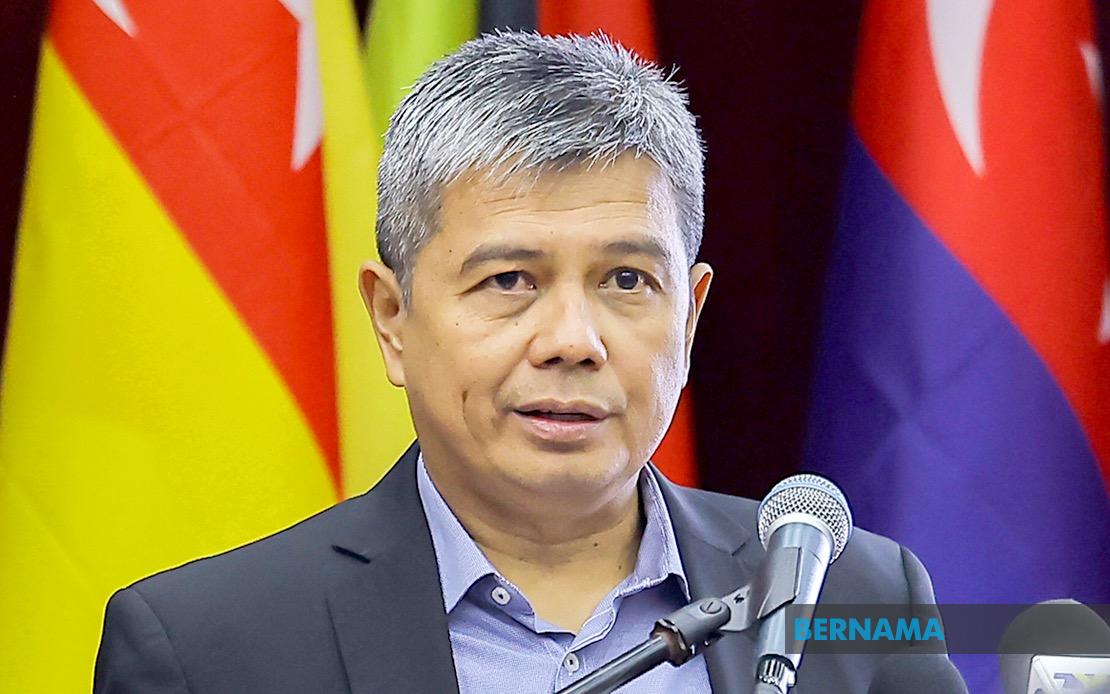
With the 16th Johor State Election set for tomorrow, the Election Commission has issued a firm directive requiring all participating political parties to wind down their campaign operations by the stroke of 11.59 pm tonight. EC secretary Datuk Khairul Shahril Idrus delivered the reminder in Johor Bahru on Wednesday, emphasising that the cessation of campaign activities represents a binding legal requirement rather than merely a procedural courtesy. This marks the final hours of an intensive campaigning period across the state, during which parties have sought to mobilise voters through traditional canvassing and digital outreach.
The EC's directive encompasses a comprehensive range of prohibited activities once the campaign period formally concludes. Political parties and candidates must discontinue all forms of voter persuasion, including direct canvassing outside polling centres and the deployment of digital campaigns across major social media platforms. The specific platforms mentioned—Facebook, X, Instagram, TikTok, and Threads—reflect the modern reality of electoral competition, where digital mobilisation has become equally significant as ground-level operations. This broad restriction aims to create a level playing field in the final hours before voting commences, preventing any party from gaining last-minute advantages through intensive promotion.
A particularly significant restriction takes effect on polling day itself. The EC has prohibited all contesting parties and candidates from establishing, operating, or maintaining booths, commonly known as "barung" in local parlance, at or near polling centres. Khairul Shahril made clear that such activities constitute offences under the Election Offences Act 1954, with potential legal consequences for violators. This prohibition reflects long-standing concerns about undue influence at polling sites and ensures that the voting environment remains neutral and free from partisan pressure. The enforcement of this rule will be critical to maintaining the integrity of tomorrow's electoral process.
Voter conduct inside polling stations will also be subject to specific regulations designed to preserve the sanctity of the ballot. Mobile phones are explicitly prohibited within polling streams, a measure intended to prevent any recording or documentation of voting choices and to minimise distractions during the voting process. The EC has announced that prominent notices and posters will be displayed both outside and inside polling stations to communicate this restriction clearly. Voters who carry mobile phones are instructed to deposit them in designated areas after receiving their ballot papers and retrieve them only after completing their votes.
The EC has offered practical guidance to voters regarding the voting process and timing. Rather than creating bottlenecks by allowing everyone to vote simultaneously, authorities have encouraged voters to consult the MySPR Semak application, which provides recommended voting times tailored to reduce congestion. However, the EC has also clarified that voters retain the flexibility to cast their ballots at any point between 8 am and 6 pm, or according to the specific operating hours gazetted for their respective polling centres. This approach balances the administrative desire for orderly voting flows with voter convenience and the democratic right to participate.
Authentication requirements remain a crucial element of the polling procedure. All voters are instructed to bring their identity cards, which will be used by election officials for verification purposes before ballots are issued. The EC has emphasised that voters must never surrender their identification documents to anyone other than authorised election officials, a safeguard against potential fraud or identity misuse. Voters are also encouraged to review their voting information beforehand using the various platforms and applications made available by the EC, thereby ensuring they arrive at the correct polling centre with complete information and can proceed smoothly through the voting process.
Employers across Johor have been reminded of their legal obligations under the Election Offences Act 1954 to grant eligible registered employees adequate time to vote. This requirement recognises that workplace demands should not impede citizens' constitutional right to participate in elections. The EC's reminder to employers ensures that workers are not disadvantaged by job responsibilities and can fulfil their civic duty without fear of workplace repercussions or loss of income.
Behind the scenes, the EC has conducted rigorous preparatory work to ensure tomorrow's election operates smoothly. Comprehensive checks of polling equipment were undertaken on Thursday and Friday, including examination of ballot boxes, indelible ink supplies, ballot papers, and voting booths. These inspections verified that all equipment and materials were both complete and in proper working condition before distribution to the Presiding Officers stationed at each polling stream. Such meticulous preparation reflects the EC's commitment to operational excellence and helps minimise the risk of procedural irregularities or equipment failures that could disrupt voting or raise questions about the election's credibility.
The comprehensive nature of these regulations and preparations underscores the Election Commission's determination to administer a fair and orderly election in Johor. From the final moments of campaigning to the conduct of voters inside polling stations and the employer obligations that support voter participation, each element has been carefully prescribed. For Malaysian voters in Johor and observers across Southeast Asia watching this significant state election, these measures represent the institutional framework designed to ensure that democratic principles are upheld and that the will of the electorate is accurately reflected in tomorrow's results.

