Malaysia's electoral system could be poised for significant modernisation as the Election Commission undertakes an extensive examination of domestic postal voting proposals that would expand voting accessibility across Peninsular Malaysia, Sabah and Sarawak. The initiative represents a potential watershed moment in how the country approaches electoral participation, particularly for voters who face logistical barriers to reaching polling stations on election day.
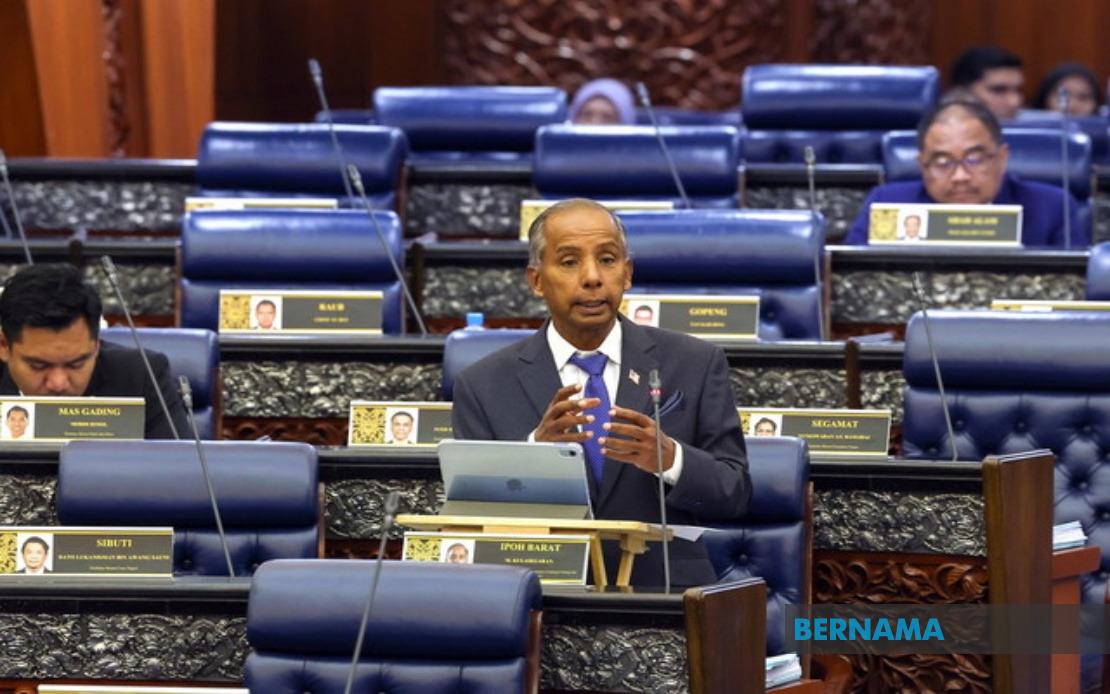
M. Kulasegaran, the Deputy Minister in the Prime Minister's Department (Law and Institutional Reform), outlined the scope of this deliberation during parliamentary proceedings, confirming that the Commission is moving forward with methodical research that will inform policymakers on the feasibility and implications of postal voting arrangements. The timeline for this evaluation extends into 2025, reflecting the complexity of implementing such a system across the nation's diverse geography and administrative structures. This measured pace allows for thorough consideration of operational challenges rather than hasty implementation that could undermine electoral integrity.
What distinguishes this review process is the explicit commitment to stakeholder engagement, an approach that recognises electoral reform requires broad-based consensus rather than unilateral action. Political parties across the spectrum will have opportunities to contribute their perspectives, concerns and suggestions as the Commission formulates recommendations. This consultative framework is particularly important in Malaysia's multi-party democracy, where electoral procedures carry significant political implications and public confidence depends on perceived fairness and legitimacy.
The proposal itself addresses a genuine democratic concern. Voters who work abroad, face health challenges, reside in remote locations or cannot reach polling stations due to administrative or personal circumstances are effectively disenfranchised under existing arrangements. Postal voting systems have functioned successfully in democracies ranging from Australia to Germany, demonstrating that secure mail-based voting is technically and administratively feasible when properly designed and regulated. For Southeast Asia's largest economy, adopting such mechanisms could enhance electoral participation rates and ensure that Malaysia's electoral mandates reflect broader segments of the eligible population.
Beyond the postal voting question itself, Kulasegaran signalled governmental receptiveness to another structural reform affecting electoral governance. The government indicated openness to reconsidering whether the Election Commission should operate under Parliamentary oversight rather than remaining within the Prime Minister's Department's administrative ambit. This potential shift carries profound implications for institutional independence and public perception of the electoral process. Positioning the Commission as accountable directly to Parliament could strengthen perceptions of impartiality, particularly among opposition parties and civil society observers who have historically questioned whether executive control compromises electoral neutrality.
Such institutional repositioning would represent a departure from Malaysia's existing arrangements but would align with comparative best practices. In many Commonwealth jurisdictions, electoral commissions function as independent bodies with parliamentary reporting relationships rather than sitting within the executive apparatus. The framework theoretically insulates electoral administrators from executive pressure while maintaining democratic accountability through legislative committees. For Malaysia, a nation where electoral procedures frequently become subjects of political contestation, this architectural adjustment could diminish accusations that the Commission functions as a government instrument.
However, the government's response to concerns about mobile telephone use at polling stations revealed the limits of current reform appetite. Despite claims from some quarters that enforcement of the ban remains inconsistent, the Ministry indicated confidence in existing regulatory mechanisms. Officials stated that no amendments to procedures are contemplated and that stricter penalties are unlikely to be introduced through amended Election Offences Act provisions. This stance reflects official assessment that current instruments suffice to maintain polling station integrity, though critics might contend that weaker enforcement contributes to voter anxiety about ballot secrecy and electoral conduct.
The postal voting study assumes particular significance given Malaysia's geographic composition, where significant populations in Sabah and Sarawak are separated by considerable distances from electoral administration centres. Rural voters, indigenous communities and workers in resource-extraction industries often face substantial logistical obstacles in reaching designated polling stations. A well-designed postal voting system could substantially democratise participation among these populations, ensuring their electoral voice achieves equivalent weight to urban voters who navigate minimal physical barriers.
Implementation challenges would nonetheless be substantial. Creating secure verification systems to prevent fraud while maintaining ballot secrecy requires sophisticated administrative infrastructure and training. The Commission would need to establish protocols for validating voter identity remotely, securing postal ballots against tampering and loss, managing receipt deadlines across dispersed communities and reconciling returned ballots with electoral rolls. International precedents offer models, but adaptation to Malaysia's specific institutional context, constitutional framework and technology infrastructure would demand considerable technical expertise.
The timeline extending through 2025 also permits technological consideration. As digital infrastructure expands across Malaysia, particularly in urban centres and developed towns, the Commission might evaluate whether limited electronic voting mechanisms could supplement postal arrangements. Some democracies have successfully integrated digital identity verification with physical ballot security, creating hybrid systems that leverage technology while maintaining tangible audit trails essential for electoral confidence.
From a Southeast Asian perspective, Malaysia's deliberation on postal voting occurs amid broader conversations about modernising electoral systems across the region. As populations age, urbanisation accelerates and internal migration patterns shift, traditional voting arrangements that assume all eligible voters remain rooted in static constituencies require reconsideration. Countries like Indonesia and the Philippines manage their own debates about voting accessibility across archipelagic geographies, making Malaysia's methodical study potentially instructive for neighbours grappling with similar challenges.
The government's institutional openness to repositioning the Election Commission, combined with its earnest engagement with postal voting possibilities, suggests recognition that electoral legitimacy increasingly depends on system accessibility and demonstrable independence. Whether substantive reforms ultimately materialise depends on stakeholder consensus and political will, but the very fact of serious study represents a departure from previous periods when electoral administration received minimal reform attention.
As the Commission conducts its investigation through coming months, Malaysian voters, civil society organisations and international election observers will monitor whether recommendations ultimately advance democratic participation or remain shelved by administrative inertia and political calculation. The outcome will significantly shape how Malaysians exercise their franchise for electoral cycles ahead.

