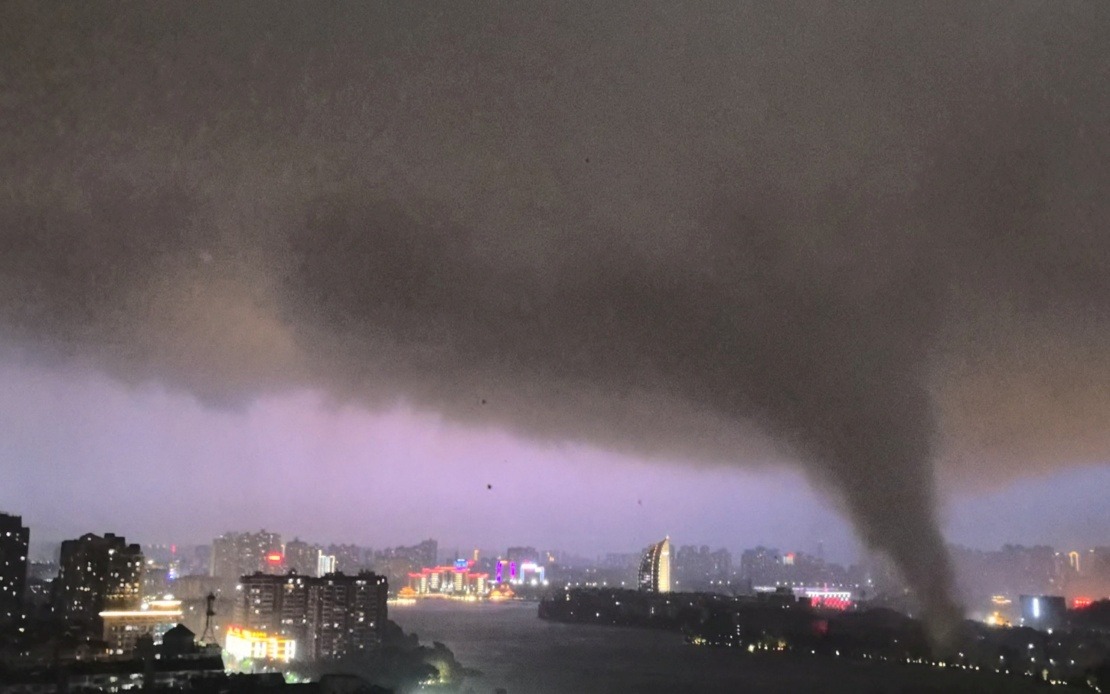
Eleven fatalities and one person reported missing have resulted from intense thunderstorms and powerful gales that ravaged the eastern districts of Hubei Province in central China during Monday evening, provincial officials confirmed through Xinhua news agency. The disaster unfolded across a concentrated four-hour window between 7 pm and 11 pm, during which severe convective weather conditions swept through multiple urban centres across the region with devastating force.
The affected areas span four major cities in the province: Huangshi, Huanggang, Ezhou, and Xianning, which experienced the brunt of the meteorological onslaught. Among the most dramatic impacts were recorded in two townships, where wind speeds reached level 13 on the gale scale—representing winds of exceptional strength capable of causing structural damage and significant disruption to daily life. Such extreme wind conditions are relatively rare in most populated regions and indicate the severity of the atmospheric disturbance that traversed the area.
Local authorities documented the formation of tornadoes in certain locations within the affected zone, adding another layer of destruction to the already chaotic conditions created by the straight-line winds accompanying the thunderstorm complex. Tornadoes, even smaller ones, can cause concentrated devastation in their paths, often resulting in unexpected casualties and injuries despite the generally brief duration of such phenomena.
The physical destruction inventory compiled by provincial authorities reveals the magnitude of the infrastructure damage sustained across the region. Twenty-two buildings were completely destroyed or reduced to uninhabitable status, while a substantially larger number—approximately 4,855 structures—sustained varying degrees of damage ranging from minor window and roof damage to more serious structural compromise. This disparity between total and partial damage reflects the variable intensity of the storm system as it progressed across the landscape, with some neighbourhoods experiencing the full force of the weather system while others endured only peripheral effects.
Beyond the tragic loss of life, the weather event resulted in widespread injuries among the civilian population. Emergency responders documented 331 individuals requiring medical attention for injuries sustained during the storm's passage. These injuries encompass diverse categories, from minor lacerations and contusions caused by flying debris and collapsing structures to more serious trauma requiring hospital admission and ongoing care.
The scale of this natural disaster places significant demands on regional emergency management infrastructure. Hubei's provincial authorities activated comprehensive rescue and relief operations immediately following the initial reports of casualties and damage. These coordinated responses involve multiple agencies working in parallel to locate missing persons, provide emergency medical care to the injured, clear debris from critical transportation routes, and establish temporary shelters for individuals displaced from damaged residences.
A critical secondary concern occupies the attention of disaster management officials: the prevention of cascading disasters that frequently follow severe weather events in densely populated regions. Flooding represents a particular risk in the immediate aftermath of intense rainfall, especially in areas where drainage infrastructure may have been compromised by the storm or overwhelmed by the volume of precipitation. Structural instability in partially damaged buildings also poses ongoing hazards to both rescue personnel and remaining residents in affected zones.
For Malaysia and other Southeast Asian nations, this event serves as a sobering reminder of the unpredictable nature of severe convective weather systems that can develop across the broader East and Southeast Asian region. While the geographic distance may seem significant, shared climatic patterns and atmospheric circulation systems mean that understanding extreme weather phenomena occurring in neighbouring countries provides valuable context for regional meteorological preparedness. The rapid intensification and concentrated impact of this Hubei storm underscores the importance of robust early warning systems, building code compliance, and comprehensive disaster response planning—lessons applicable across the region's diverse climatic zones.
The incident also highlights the vulnerability of infrastructure to extreme meteorological events regardless of economic development level. Modern urban centres with established building codes and emergency services still experience significant casualties and damage when confronted with the full force of nature's most violent weather phenomena. This reality shapes policy discussions across East and Southeast Asia regarding climate adaptation, infrastructure resilience, and investment in weather forecasting and early warning capabilities that can provide citizens with adequate time to seek shelter and emergency services to pre-position resources.
China's provincial emergency management response to this disaster will likely inform regional discussions about best practices in coordinating rescue operations across large geographic areas affected simultaneously by severe weather. The mechanisms by which provincial authorities mobilise resources, communicate with the public, and coordinate between municipal governments and national agencies represent operational frameworks that other regional governments study and adapt to their own contexts. Such knowledge-sharing, whether formal or informal, contributes to incremental improvements in disaster preparedness across the broader Asian region.

