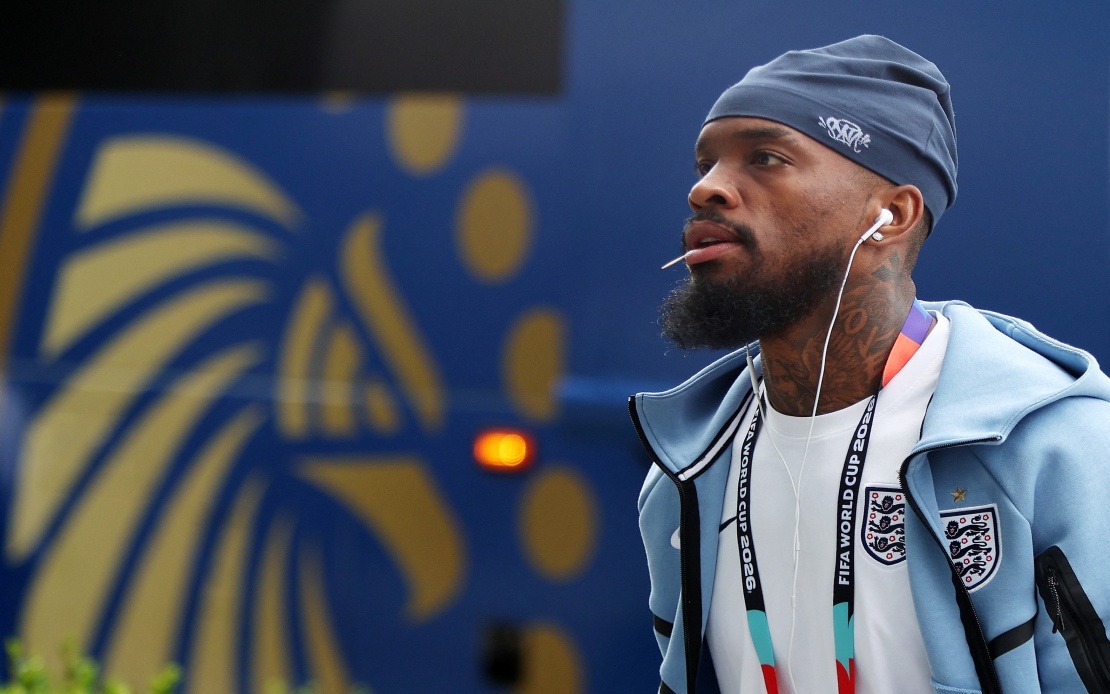
England striker Ivan Toney has been formally charged with assault in connection with an incident that allegedly occurred at a Soho nightclub several months ago. The Metropolitan Police confirmed on Thursday that the 30-year-old from Northampton was charged with assault causing actual bodily harm on July 31, with the alleged incident dating back to December 6 of the previous year at a venue on Wardour Street in London's West End.
Toney's legal circumstances represent a significant development in his career timeline. The forward, who currently plays for Saudi Pro League outfit Al-Ahli, must now navigate the British legal system while continuing his professional commitments abroad. His appearance at Westminster Magistrates' Court is scheduled for Thursday, September 24, where the matter will be formally addressed before the judiciary.
Through his representative, Toney has issued a statement acknowledging the charge while maintaining his position that he will ultimately be exonerated. The footballer expressed that whilst he is understandably taken aback by the legal proceedings, he welcomes the opportunity to present his defence and clear his name through the court process. This measured response attempts to balance acceptance of the formal process with a clear assertion of innocence regarding the underlying allegations.
The timing of the charge comes during a period when Toney has transitioned to Saudi football, a move that reflects the growing trend of established Premier League players accepting lucrative offers from the Gulf region. Al-Ahli represents one of the kingdom's most prominent clubs, and Toney's involvement with the team means he may face complications in managing court obligations whilst fulfilling international commitments.
For Malaysian and Southeast Asian sports enthusiasts, this case illustrates how professional athletes operating at the highest international level remain subject to local legal jurisdictions regardless of their celebrity status or current employment arrangements. English football continues to maintain significant followings across the region, with international players serving as prominent figures whose personal conduct attracts considerable public and media attention.
The incident location in Soho, London's well-known entertainment district, underscores the visibility challenges faced by high-profile athletes when navigating public spaces. The West End area, particularly venues along Wardour Street, regularly hosts patrons from diverse backgrounds and professions, meaning such incidents can quickly escalate into formal investigations and charges.
Toney's legal proceedings will unfold against the backdrop of his professional transition to the Saudi Pro League, a move that has become increasingly common among English players in their late twenties and thirties. This geographical and professional relocation may complicate his ability to attend court proceedings and manage the legal process effectively, requiring coordination between his legal representation, club management, and personal schedules.
The assault causing actual bodily harm charge represents a serious matter within England's legal framework. This category of offence carries potential penalties ranging from fines to imprisonment, depending on the severity of injuries sustained and circumstances surrounding the incident. The formal court appearance will determine whether the matter proceeds further or reaches resolution through the judicial process.
For Al-Ahli and Saudi football authorities, Toney's legal challenges in England present a parallel management issue. Clubs operating in international contexts must often address player conduct matters that occur outside their jurisdiction, and how they respond impacts both their institutional reputation and their standing within the broader global football community.
The case also reflects broader patterns in celebrity culture and accountability. Despite substantial earnings and elevated social status within the sporting world, individuals remain bound by the same legal frameworks governing ordinary citizens. This principle, though fundamental to democratic societies, often receives renewed emphasis when prominent figures face charges.
Toney's statement through his spokesperson demonstrates the standard approach adopted by high-profile defendants and their legal teams when charges are confirmed. Acknowledging the charge while maintaining innocence represents a careful positioning that respects the legal process while preserving the defendant's rights and public standing pending trial outcomes.
As the case progresses toward its September court date, ongoing coverage will likely maintain interest both within English football circles and among international sports observers. The resolution of this matter will carry implications not only for Toney's personal and professional future but also for broader conversations about athlete accountability and the relationship between celebrity status and legal responsibility.

