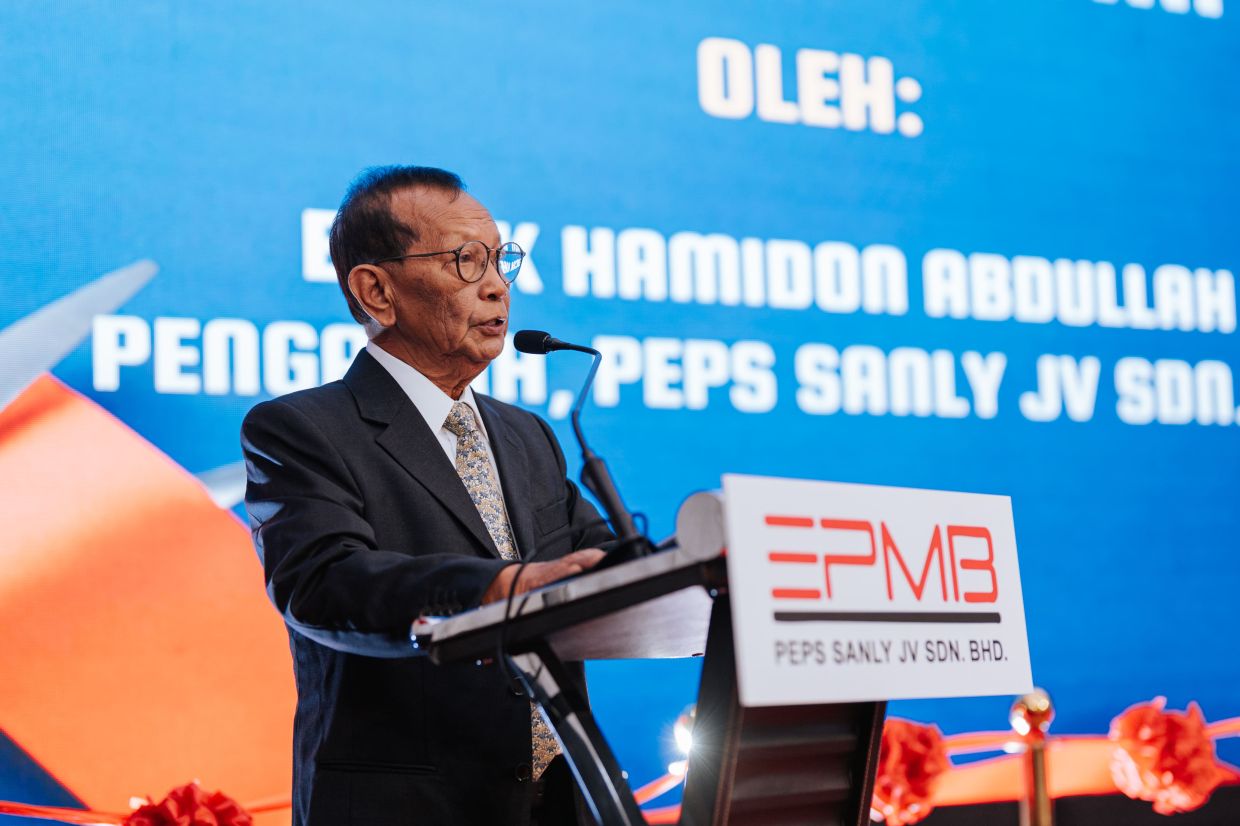
The push to deepen Malaysia's automotive manufacturing capabilities has taken another step forward with the opening of a significant new production complex in Perak. EPMB, the country's leading supplier of automotive components, has begun operations at a substantial facility in Tanjong Malim that will manufacture critical chassis modules for Proton's expanding model lineup, marking a strategic expansion of the national carmaker's supply chain and a testament to growing Chinese-Malaysian industrial collaboration in the sector.
Located within the Automotive High Technology Valley, the sprawling 9,909 square metre plant represents the physical manifestation of a partnership formalised in February 2025 between EPMB and Sanly Auto Parts Co Ltd, a Chinese automotive components specialist. The facility, which commenced production in October 2025 and is operated through Peps Sanly JV Sdn Bhd, represents a calculated bet on localising the manufacture of complex chassis components that have historically relied on imported expertise and tooling. The timing of the venture reflects broader industry trends toward nearshoring and the strategic integration of supply chains across the region.
The production capacity of the new plant underscores its significance within EPMB's broader manufacturing ecosystem. Operating at full capacity, the facility is engineered to produce 40,000 complete car sets monthly, translating to an annual output of 480,000 sets. This volume places the operation as a meaningful contributor to Proton's production requirements, particularly as the carmaker seeks to scale manufacturing across multiple vehicle platforms simultaneously. The scale of investment and commitment suggests both parties anticipate sustained demand growth over the coming years.
The product portfolio emerging from Tanjong Malim encompasses three critical module types that form the structural and suspension foundation of modern vehicles. Front corner modules, subframe assemblies, and rear axle module units will be manufactured for Proton's established models including the AMA01 Saga, Persona, and Iriz. Importantly, the facility has been designed with future flexibility in mind, with production already earmarked for Proton's next-generation platforms, the AMA02 and AMA05, indicating that EPMB and Sanly are positioning themselves as preferred suppliers as the national carmaker refreshes its model strategy.
The partnership between EPMB and Sanly represents a deliberate strategy to infuse Malaysian manufacturing operations with technical capabilities drawn from China's mature automotive supply ecosystem. Sanly Auto Parts brings established expertise in metalworking, precision assembly, and automotive chassis systems engineering—domains where Chinese suppliers have developed significant competitive advantages through years of supplying major global and Asian manufacturers. This cross-border knowledge transfer carries implications beyond the immediate commercial relationship, potentially raising capability standards across Malaysia's automotive supply base more broadly.
Hamidon Abdullah, EPMB's executive chairman, articulated the strategic rationale underpinning the collaboration in distinctly competitive terms. By forging connections with Sanly, which maintains established relationships with Geely and other major Chinese original equipment manufacturers, EPMB gains privileged access to advanced manufacturing methodologies and supply chain practices that have evolved in China's highly competitive automotive sector. This exposure to international best practices and cost-competitive production approaches positions EPMB to offer Proton enhanced value propositions without compromising quality standards—a critical consideration as the national carmaker confronts intensifying competition in Southeast Asian markets and seeks to improve margins across its product portfolio.
The efficiency gains derived from this partnership arrive at a particularly opportune moment for Proton's strategic ambitions. The national carmaker is simultaneously pursuing aggressive regional expansion plans while navigating the complex transition toward electrified powertrains and new vehicle architectures. Having a supply partner that can deliver both cost-efficient components and access to global manufacturing innovation creates operational flexibility that supports these competing priorities. The partnership essentially allows Proton to delegate component engineering and production complexity to a capable third party while maintaining focus on product development and brand strategy.
EBPM's decision to deepen its engagement with Proton through this substantial capital investment also reflects confidence in the carmaker's medium-term viability and growth trajectory. The company has maintained a supplier relationship with Proton spanning nearly four decades, providing institutional knowledge and established trust that foreign competitors would struggle to replicate. This longevity suggests EPMB views the new facility not as a speculative venture but as a natural evolution of an enduring partnership, justified by demonstrated commitment from Proton to continue innovation and market expansion.
The broader implications of this development extend beyond the immediate commercial transaction between two companies. The facility represents tangible evidence of Malaysia's continued relevance as an automotive manufacturing hub at a time when the industry faces existential questions about sourcing, regionalisation, and technology adoption. By successfully attracting and executing a partnership that incorporates Chinese manufacturing expertise while maintaining Malaysian operational control and ownership, the project demonstrates the country's capacity to position itself at the intersection of regional value chains. This model—Malaysian-owned companies partnering with international expertise to serve domestic champions—may offer a template for other sectors seeking to upgrade capability while preserving local ownership and control.
The Tanjong Malim facility's reliance on the Automotive High Technology Valley location also highlights the value that specialised industrial clusters can provide. The AHTV was designed to concentrate automotive manufacturing and component suppliers in a geographic pocket that facilitates knowledge exchange, infrastructure sharing, and supply chain coordination. EPMB's decision to establish this facility within the valley suggests the ecosystem is functioning as intended, attracting investment that depends on proximity to complementary industrial activities and skilled labour pools.
Looking ahead, the success of this venture will likely influence Proton's broader supplier strategy and may encourage other Malaysian component makers to explore similar international partnerships. If the facility meets its production targets and quality benchmarks while delivering the promised cost advantages, it could catalyse additional joint ventures that further integrate Malaysian manufacturing into regional supply chains dominated by Chinese competitors and expertise. For Proton specifically, the partnership provides organisational breathing room as the company manages multiple product refreshes and the technically demanding transition to electric vehicles, challenges that become more manageable when trusted suppliers can absorb component engineering and production responsibilities.

