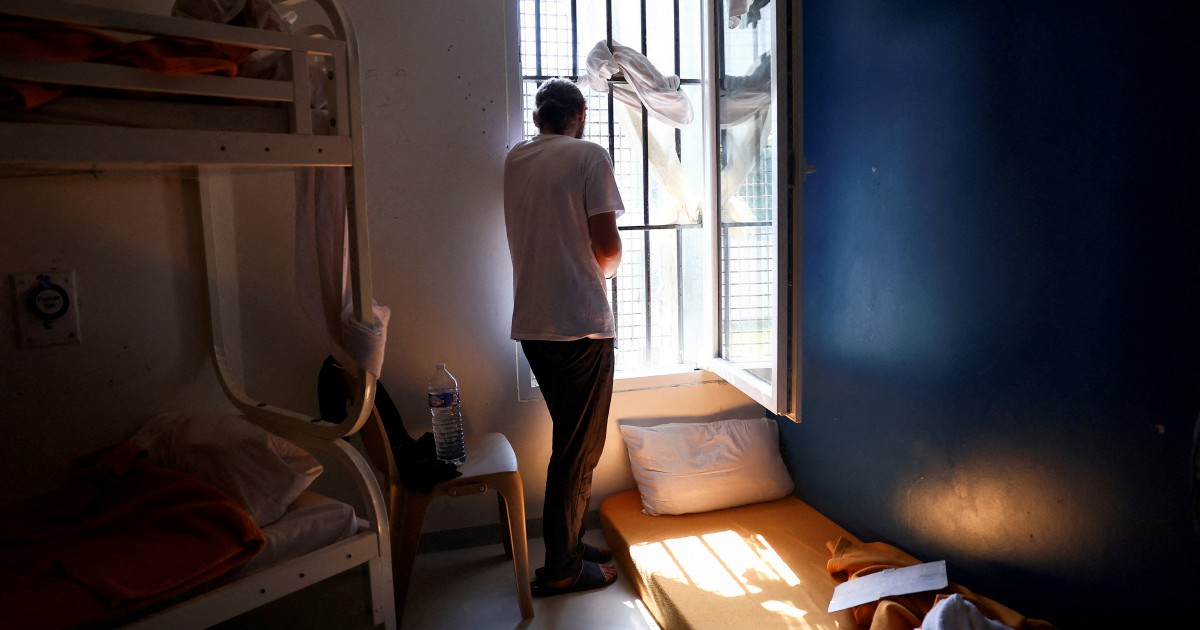
A prisoner confined in his cell draped wet towels around the window bars on a day when temperatures climbed above 37 degrees Celsius, creating a makeshift cooling system to survive the punishing heat. As a visiting politician toured the facility, the inmate recounted the grim reality of incarceration during France's scorching summer months—a visceral demonstration of how environmental extremes are unmasking deep structural failures in Europe's correctional systems.
Across the continent, correctional institutions built decades ago are proving dangerously inadequate for modern climatic conditions. Most European prisons were constructed when heatwaves of this intensity were considered anomalies rather than recurring events. The buildings lack modern climate control systems, adequate ventilation, and sufficient water supply to meet the demands of swollen inmate populations. Prison authorities now face the uncomfortable reality that their facilities cannot safely house their current prisoner populations, let alone adapt to intensifying heat patterns expected under climate change scenarios.
The overcrowding problem predates recent temperature extremes but has become catastrophically visible during hot weather. European prisons are crammed well beyond their designed capacity, sometimes holding 20 to 30 percent more prisoners than their infrastructure supports. This overcrowding creates compounding dangers: inmates share confined spaces with limited air circulation, sanitation systems become overwhelmed, and medical services cannot adequately respond to heat-related illnesses. The vulnerable populations—elderly inmates, those with chronic health conditions, and individuals with mental health challenges—face particularly acute risks during thermal stress events.
France exemplifies these mounting pressures, with its prison system operating at roughly 117 percent capacity according to recent figures. The situation forces correctional officials to make impossible choices about inmate welfare. Some facilities have introduced rotating schedules allowing prisoners to spend limited time outside their cells, while others have implemented water rationing measures that compound heat stress. Yet these stopgap solutions merely manage symptoms rather than addressing the fundamental shortage of secure facility space and outdated infrastructure design.
The political dimensions of this crisis are equally significant. European governments have historically underinvested in prison infrastructure, viewing expenditure on correctional facilities as politically unrewarding compared to education or healthcare spending. However, the convergence of overcrowding and climate extremes is forcing policymakers to confront deferred maintenance costs and expansion needs that now stretch into billions of euros. The heatwave crisis has become a crystallizing moment that makes invisible carceral suffering suddenly impossible to ignore.
For Malaysian and Southeast Asian observers, the European experience offers cautionary lessons. While tropical climates make year-round heat management inherently more complex, the region's prisons similarly struggle with overcrowding and aging infrastructure. Several Southeast Asian countries operate detention facilities well above designed capacity, exacerbated by limited budgets and competing infrastructure priorities. As global temperatures rise and extreme weather events intensify, these regions may face their own acute moments when environmental conditions render existing facilities genuinely unsafe.
The human rights implications extend beyond mere discomfort. International detention standards established by bodies such as the United Nations establish minimum space requirements, adequate ventilation, and access to medical care as fundamental rights. Overcrowded prisons in dangerous heat conditions violate these established norms and expose governments to legal liability. European courts have increasingly ruled that maintaining prisoners in such conditions constitutes inhuman treatment, generating legal costs and reputational damage alongside humanitarian concerns.
Prison authorities argue they lack authority over the fundamental issue: they operate within population constraints determined by judges, legislators, and prosecutors upstream in the criminal justice system. Reducing overcrowding requires either expanding physical capacity or reducing prisoner populations through policy changes—both politically contentious propositions. Some progressive jurisdictions have explored alternatives to incarceration for lower-risk offenders, but widespread adoption remains limited. Consequently, prison leaders find themselves caught between systems generating more prisoners than their infrastructure can humanely accommodate.
The infrastructure challenge involves replacing or substantially retrofitting buildings that may be 50, 70, or even 100 years old. Modern prison designs incorporate better thermal management, improved ventilation systems, and increased cell sizes that align with contemporary standards. However, constructing or significantly expanding existing facilities requires enormous capital expenditure and faces community opposition to siting new correctional institutions. European governments now confront the uncomfortable reality that the postponed investment costs have compounded dramatically, making necessary infrastructure modernization far more expensive than earlier prevention would have required.
Experts increasingly recognize that this crisis demands systematic reform rather than superficial adjustments. Some proposals include decriminalization of certain offenses, diversion programs for individuals with addiction or mental health challenges, and expanded use of community-based sentences rather than incarceration. These approaches require broader criminal justice transformation beyond prison authorities' control. Meanwhile, immediate concerns about inmate safety during extreme weather events demand urgent attention to ventilation, water access, and medical capacity within existing facilities.
The European overcrowding crisis ultimately reflects deeper tensions in modern democracies struggling to balance public safety concerns, fiscal constraints, and humanitarian obligations toward incarcerated populations. Heatwaves have simply rendered these abstract tensions concrete and undeniable. For regions watching Europe's experience unfold, the message is clear: deferred infrastructure investment and overcrowding create crises that eventually become impossible to ignore or manage quietly, particularly as climate extremes intensify.
As correctional systems worldwide grapple with these converging pressures, the prisoner sitting in his sweltering cell with wet towels becomes emblematic of a broader systemic failure. His improvised cooling system represents not innovation but desperation—a stark reminder that institutions unable to protect basic human dignity under environmental stress face legitimacy crises that extend far beyond prison walls into questions about justice systems' fundamental viability.

