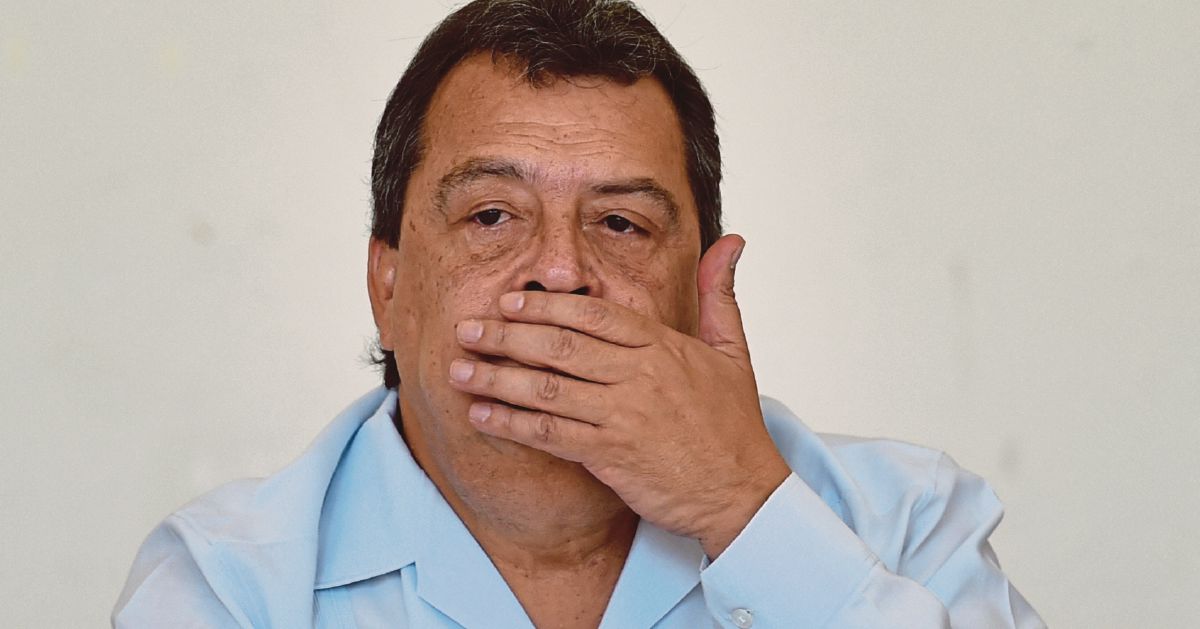
Mexican law enforcement authorities announced the arrest of a former governor from the southern state of Guerrero on Thursday, with officials alleging that he orchestrated the destruction of evidence that might have illuminated the fate of 43 students who vanished a decade ago. The detention represents a potentially significant development in an investigation that has haunted Mexico and drawn international scrutiny since the mysterious disappearance in September 2014.
The case of the 43 students has become emblematic of Mexico's struggle with unsolved disappearances and the challenges that plague its criminal justice system. The young men, primarily from the Ayotzinapa Rural Teachers' College in Guerrero, were last seen after attending a political demonstration in the city of Iguala. Their abrupt vanishing sparked nationwide outrage, triggered extensive searches, and prompted multiple investigations, yet fundamental questions about their whereabouts remain unanswered even today.
Governor positions in Mexican states carry substantial responsibility for public security and the administration of justice within their jurisdictions. The allegation that a former chief executive deliberately obstructed an investigation into a matter of such gravity underscores the deep institutional challenges Mexico faces, particularly regarding corruption and the obstruction of justice at senior levels of government. Such accusations strike at the heart of governance and public trust, suggesting that state-level officials may have actively hindered rather than facilitated efforts to resolve a crime that captivated national attention.
The destruction of evidence constitutes a grave impediment to any investigation, especially in a case spanning a decade where leads and documentary records become increasingly valuable. Physical and documentary evidence can provide crucial links in complex criminal inquiries, and their deliberate elimination raises serious questions about what information authorities might have learned regarding the students' fates. The timing of alleged destruction could indicate either an attempt to conceal official involvement or knowledge of criminal activity, both scenarios carrying profound implications.
The renewed focus on Guerrero's political leadership reflects the persistent nature of the investigation. Over the years, numerous official inquiries have examined the disappearances from varying angles, with authorities at different levels proposing divergent theories. This latest arrest suggests that investigators believe evidence relating to the case may have been handled improperly by those in positions of authority, adding another troubling layer to an already complex and contentious matter.
For Malaysian and Southeast Asian observers, the case illustrates vulnerabilities in governance structures across the Americas and beyond. Corruption, obstruction of justice, and the compromising of investigations by officials tasked with upholding the law represent challenges that transcend borders and affect numerous countries across different regions. The situation in Guerrero serves as a cautionary example of institutional fragility when oversight mechanisms fail and powerful actors operate with apparent impunity.
International attention on the missing students case has been sustained, with various human rights organizations, foreign governments, and international bodies monitoring developments. The arrest of a former governor suggests that mechanisms of accountability, though laboured and slow-moving, continue to function within Mexico's system. However, the decade-long gap between the disappearance and meaningful consequence for alleged obstruction raises questions about the adequacy and timeliness of justice responses in Mexico.
The implications for families of the 43 students remain particularly acute. For more than ten years, their relatives have pursued answers, demanded transparency, and called for accountability from state and federal authorities. Each development in the investigation carries emotional weight for these families, who have organized, protested, and maintained pressure on officials to pursue truth and justice despite setbacks and procedural delays.
Guarrero state, one of Mexico's most violence-affected regions, has struggled with competing criminal organizations, weak institutional capacity, and governance challenges that mirror problems throughout much of the country. The concentration of missing persons cases, disappearances linked to organized crime, and allegations of official complicity in Guerrero underscores the scale of criminality and institutional breakdown that persists in certain Mexican territories. This broader context informs understanding of how the 43 students' case emerged and why its resolution has proved so elusive.
The prosecution of a former governor for obstruction of justice, if sustained, would establish an important precedent regarding accountability for high-ranking officials who misuse their positions. Such cases remain relatively uncommon in Mexico, where political office has traditionally provided substantial insulation from legal consequences. Any conviction would demonstrate that even senior governmental figures may ultimately face judicial scrutiny, though observers note that Mexico's legal system has frequently proved unreliable in achieving such outcomes.
Moving forward, the investigation will likely focus on determining precisely what evidence was allegedly destroyed, establishing the chain of responsibility for its destruction, and whether such destruction materially hindered the capacity to solve the original disappearances. These evidentiary and legal questions will determine the viability and strength of charges against the detained former governor and may eventually reveal additional information about what transpired in Iguala during those fateful days in 2014 that changed the lives of 43 families and captured the conscience of a nation.

