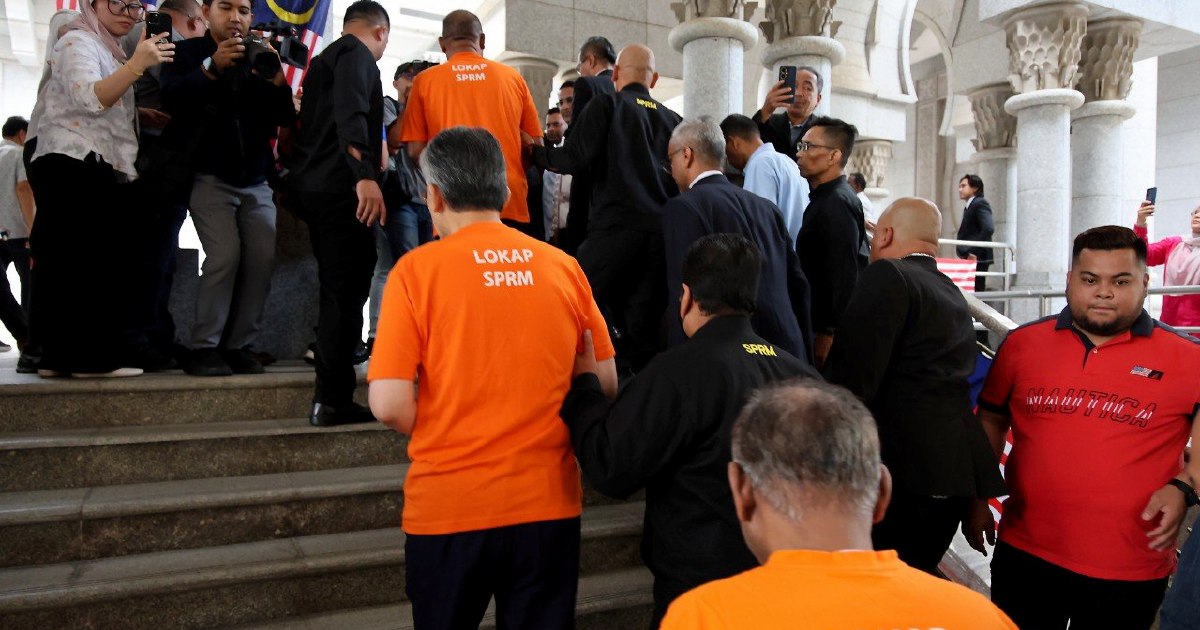
A former chairman of Lembaga Tabung Haji (TH) and a previous Treasury secretary-general presented themselves at Putrajaya magistrates' court on Tuesday for remand hearings, continuing a significant probe into Malaysia's pilgrimage financing institution that has captured sustained public attention over recent months.
The appearance of these two senior figures signals the widening scope of investigations into TH's operations and governance. Both individuals held influential positions overseeing financial management and policy decisions affecting millions of Malaysian Muslims who have contributed to the pilgrimage savings scheme over decades. The remand proceedings represent a critical juncture in establishing the circumstances surrounding allegations that have prompted scrutiny from multiple government agencies.
TH operates as one of Malaysia's most significant financial institutions, managing savings from approximately 9 million contributors seeking to undertake the Hajj pilgrimage to Mecca. The organisation handles hundreds of billions in ringgit, making questions about its governance and financial stewardship matters of profound importance to the Muslim community and the broader Malaysian public. The investigation's trajectory suggests authorities are examining decisions made at the highest institutional levels during periods when these officials held responsibility.
The remand hearing process allows investigating officers to detain individuals for questioning and evidence gathering purposes. The court's determination regarding the duration and scope of remand will indicate the magnitude of allegations officials believe merit extended custody. Malaysian legal practice typically grants remand periods in stages, with prosecutors required to present justification for extended detention based on investigation progress and evidentiary requirements.
These proceedings unfold amid mounting public discourse about governance standards within government-linked companies and statutory bodies. The involvement of a former Treasury secretary-general particularly underscores concerns about potential lapses in financial oversight mechanisms at the federal government level. The Treasury's role includes monitoring statutory authorities' compliance with financial regulations and best practices, rendering questions about this official's tenure particularly sensitive from an institutional accountability perspective.
The TH scandal has emerged as emblematic of governance challenges facing Malaysian institutions. Previous investigations have uncovered financial irregularities, questionable investments, and allegations of mismanagement that eroded public confidence in the organisation. These developments prompted calls for comprehensive institutional reform, improved transparency mechanisms, and stronger accountability frameworks across government-linked entities. The current investigation represents authorities' response to mounting pressure for answers and consequences.
For Malaysian pilgrims, the investigation carries personal significance beyond institutional politics. Many contributors have faced difficulties accessing their accumulated savings, with some experiencing delays or complications in pilgrimage sponsorships. The financial health and governance integrity of TH directly impacts millions of Malaysians' abilities to fulfil one of Islam's five pillars. Questions surrounding institutional management thus resonate across the Muslim demographic in ways that extend beyond conventional corporate governance concerns.
The presence of legal counsel and investigating officers at court reflects the complexity of proceedings involving individuals who previously wielded considerable institutional authority. Their legal teams will likely contest or contextualise allegations, emphasising their clients' decision-making processes and institutional constraints. Prosecutors must navigate the technical requirements of presenting financial evidence and establishing individual culpability within corporate hierarchies where responsibility is often diffuse and decision-making collective.
Regional observers have noted that Malaysia's investigation into TH parallels governance probes across Southeast Asia targeting major state institutions. Countries throughout the region have recently confronted questions about stewardship of sovereign wealth funds, religious endowments, and pilgrimage organisations. These investigations often reveal systemic vulnerabilities in oversight mechanisms and the capacity of powerful officials to evade accountability within institutional structures designed to facilitate their authority.
The investigation's progression will likely establish precedents for how Malaysian courts and enforcement agencies handle cases involving prominent former officials. Outcomes will signal to current office-holders the genuine consequences of governance failures and potential misconduct. The transparency with which authorities prosecute cases against high-ranking figures historically influences public confidence in institutional integrity and government commitment to accountability principles.
As remand proceedings continue, stakeholders including pilgrims, opposition figures, civil society organisations, and government actors will scrutinise developments closely. The eventual resolution of these cases will contribute substantially to determining whether Malaysia successfully addresses governance deficiencies or whether institutional accountability remains selectively applied based on political convenience. The stakes extend beyond individual prosecutions to encompass the trajectory of governance reform across Malaysian public institutions.

