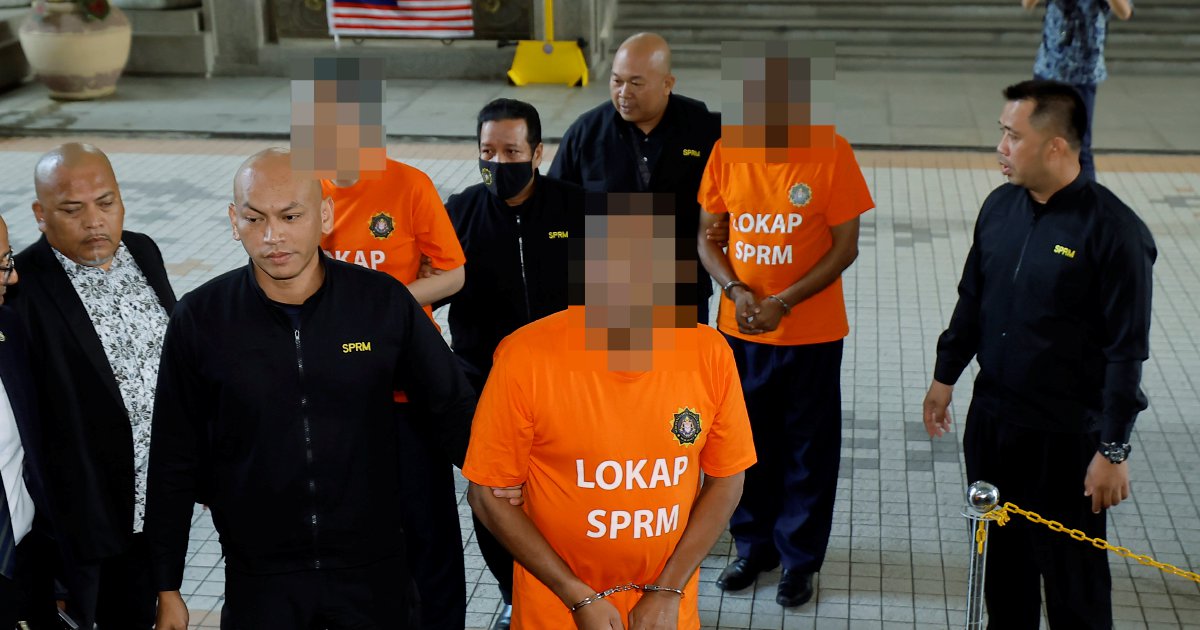
The Malaysian Anti-Corruption Commission (MACC) has secured court-ordered detention for a former chairman of Lembaga Tabung Haji (TH) and an ex-Treasury secretary-general, marking a significant development in what appears to be a high-profile anti-corruption investigation into Malaysia's hallaj fund management institution and state financial administration.
Both individuals have been remanded for seven days, allowing the MACC to conduct extended questioning during what is likely a complex inquiry involving potential governance violations or financial irregularities. The move represents the anti-corruption body's escalation from preliminary investigations to formal detention and interrogation of senior government figures, a step that signals the seriousness of the allegations under examination.
Lembaga Tabung Haji holds considerable significance in Malaysia's public administration as the pilgrimage fund that manages savings for millions of Muslim Malaysians preparing for their hajj journeys. The organisation's leadership positions carry substantial responsibility over substantial financial assets and public trust. Any investigation into TH's upper echelons therefore carries implications beyond individual accountability, extending to questions about institutional governance, transparency, and the safeguarding of pilgrims' funds.
The involvement of a former Treasury secretary-general underscores the potential breadth of this investigation, suggesting that the inquiry may extend beyond TH's internal operations to encompass broader questions about intergovernmental financial oversight, budgetary decisions, or coordination between the pilgrimage fund and the Ministry of Finance. Senior Treasury officials exercise influence over numerous government programmes and financial institutions, making their detention noteworthy for the wider bureaucratic ecosystem.
The MACC's action reflects its mandate to investigate corruption across Malaysia's public sector without regard to rank or tenure. Former office-holders receive no immunity from investigation even after departure from official positions, a principle that has been consistently applied in high-profile cases. The seven-day remand period provides investigators with a defined window to conduct thorough questioning, obtain statements, and potentially secure further cooperation or evidence.
TH has faced scrutiny in recent years regarding financial performance, investment decisions, and management practices. The fund experienced volatility in its share portfolio and faced criticism from beneficiaries about returns and transparency. Any investigation into TH's leadership during critical periods would logically examine decision-making processes, approval authorities, and compliance with fiduciary obligations to member-pilgrims.
For Malaysian readers familiar with the pilgrimage ecosystem, this development carries personal relevance. Tens of thousands of Malaysians depend on TH for structuring their hajj savings and managing the logistics of their pilgrimage journey. Assurance that the institution operates with integrity and accountability is fundamental to maintaining public confidence in the system, particularly among lower-income pilgrims who represent a significant portion of TH's membership.
The detention of high-ranking former officials represents a notable moment in Malaysia's anti-corruption efforts, demonstrating that status or former position does not place individuals beyond investigative reach. This sends an important signal about institutional accountability, though it also reflects ongoing concerns about governance standards that persisted during these officials' tenures.
Regionally, Malaysia's anti-corruption initiatives receive attention from observers monitoring governance standards across Southeast Asia. High-profile investigations, particularly those targeting former senior officials, demonstrate institutional capacity to pursue accountability mechanisms. However, the actual outcomes of such investigations—whether they result in prosecutions, convictions, and remedial reforms—ultimately determine their credibility and impact on governance culture.
The next seven days will be crucial in determining whether the MACC moves toward formal charges or extends detention for further investigation. The outcomes of questioning may reveal whether the inquiry focuses on specific financial transactions, approval breaches, or broader systemic governance failures. For TH members and Malaysian taxpayers, the investigation's findings could trigger institutional reforms, leadership changes, or strengthened oversight mechanisms.
This case also highlights the intersection of religious institutions and government financial administration in Malaysia's unique context. TH operates as a statutory body serving a spiritual obligation, yet manages substantial public resources. Investigating governance at this intersection requires balancing scrutiny of financial practices with respect for the institution's religious and social significance—a sensitivity that authorities must navigate carefully.
As the seven-day remand period proceeds, focus will shift to whether investigators uncover evidence supporting formal charges, voluntary admissions, or agreement to cooperate further. The resolution of this investigation will likely influence broader discussions about governance reforms at TH and potentially within the Treasury department, affecting how Malaysia's pilgrim fund and financial administration operate in coming years.

