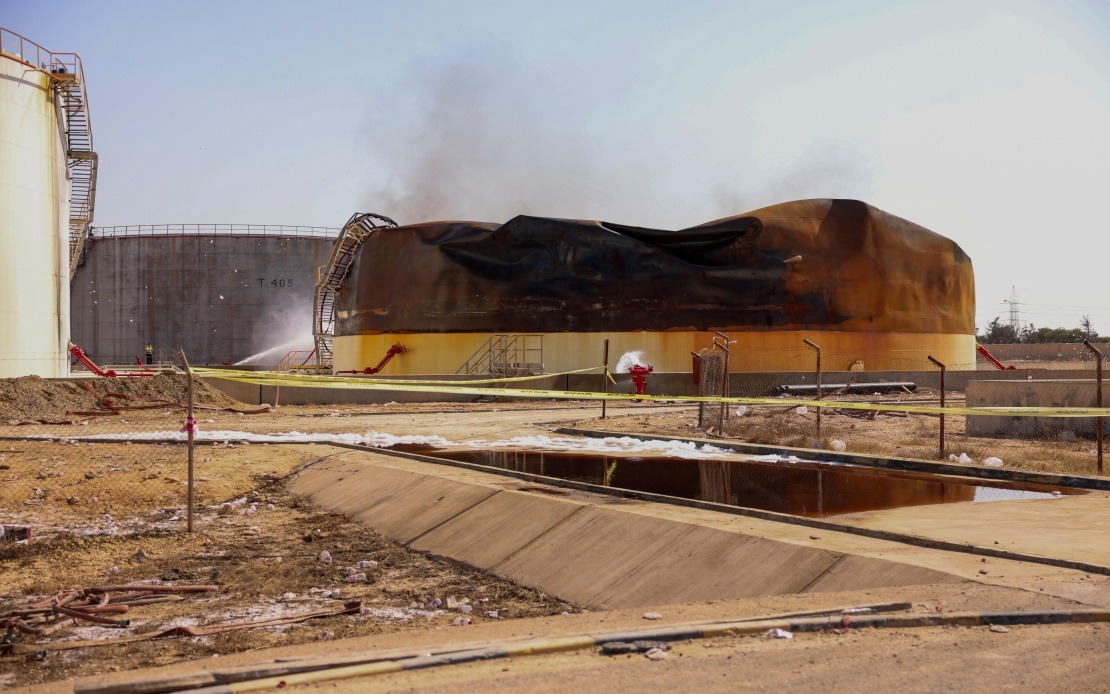
Western Libya's energy infrastructure faced fresh disruption on Saturday when an explosion occurred near the Zawiya power plant, disabling multiple generation units and intensifying concerns about the stability of the nation's electricity supply. The General Electricity Company of Libya (GECOL), which operates the facility, confirmed the incident but said investigation teams were still working to establish what triggered the blast.
The Zawiya plant serves as a critical component of Libya's power generation capacity, supplying electricity to much of the western region including the capital Tripoli and surrounding areas. The shutdown of several generation units represents a significant blow to a nation already struggling with chronic energy shortages and an aging infrastructure that has deteriorated significantly during years of civil unrest and competing administrations. For context, Libya's electricity sector has been heavily strained by decades of underinvestment, with demand regularly exceeding supply capacity.
GECOL indicated that restoration work had commenced immediately following the explosion, with technicians assessing damage and working to bring offline units back into service. The company expressed confidence that normal electricity supply would resume shortly, though it stopped short of providing specific timelines or details about the extent of damage sustained. In a statement, GECOL apologised to citizens for the inconvenience caused by power disruptions and pledged that staff would remain mobilised until the grid reached full stability.
The timing of this incident carries particular significance given that it occurred just one week after unmanned aerial vehicles struck multiple strategic locations in Zawiya. Those earlier drone attacks deliberately targeted oil storage facilities, desalination plants, and power infrastructure, suggesting a coordinated campaign aimed at undermining the city's economic viability and public services. The pattern of attacks indicates that critical infrastructure in western Libya faces heightened vulnerability to deliberate sabotage or military operations.
No organisation has publicly claimed responsibility for either the drone strikes or Saturday's explosion, leaving open questions about the perpetrators' identity and motivations. For Malaysian observers and regional analysts, Libya's deteriorating security situation underscores the fragility of state institutions in fragmented North African nations. The inability of authorities to prevent repeated attacks on vital infrastructure raises questions about the government's control over Libyan territory and its capacity to protect essential services that citizens depend upon daily.
The compound effect of these incidents—occurring within a week—threatens to inflict cascading damage on Libya's already precarious economic position. The oil and energy sectors represent the backbone of the Libyan economy, and disruptions to production and electricity generation ripple outward to affect refineries, export operations, and industrial activity. Desalination facilities serve as lifelines in this water-scarce region, meaning their compromise creates humanitarian concerns alongside security implications.
For Southeast Asian nations with investments in North African energy and resource sectors, Libya's instability presents both direct and indirect risks. Supply chain disruptions originating from the region can affect global commodity markets and energy prices. Additionally, the security environment in Libya influences broader Mediterranean and African geopolitics, with implications for maritime security and regional stability that eventually affect Asian trade routes and interests.
The investigation into Saturday's explosion will likely prove inconclusive without definitive forensic evidence and political will to identify responsible parties. Libya's fractured governance structure, with competing authorities in the east and west, complicates any coordinated investigation and creates gaps that hostile actors can exploit. This institutional fragmentation also hampers the capacity to implement infrastructure hardening measures or deploy effective air defence systems.
The broader challenge facing Libyan authorities involves simultaneously managing immediate restoration efforts while addressing the underlying security crisis that makes such infrastructure vulnerable. Without meaningful security improvements, similar incidents appear likely to recur. For international observers monitoring North African stability, the pattern of attacks on Zawiya's facilities suggests either internal factional conflict or external state involvement testing Libya's defences and resolve.
Moving forward, the Zawiya power plant represents a microcosm of Libya's larger governance and security dilemma. Rebuilding and protecting such facilities requires resources, technical expertise, political consensus, and security capacity that the current Libyan state struggles to muster. The incident reinforces perceptions of state weakness and underscores why international stakeholders remain cautious about expanding engagements with Libyan institutions or investing in long-term projects dependent on stable governance and infrastructure protection.

