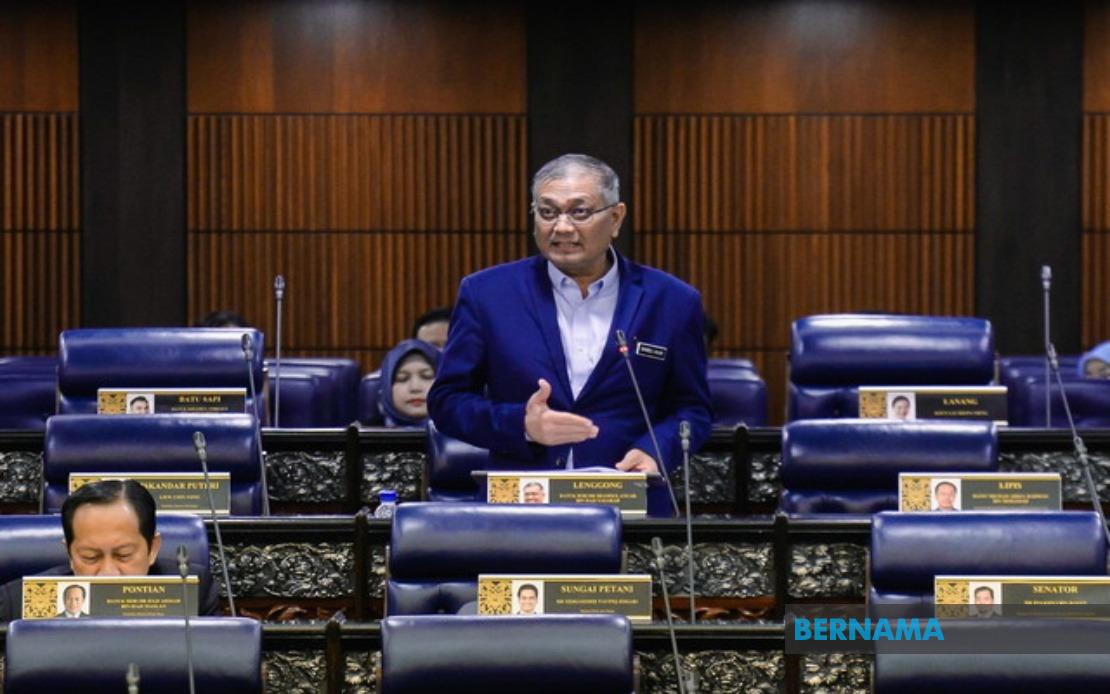
The Home Ministry has moved to address mounting concerns about the use of extra drills within the Royal Malaysia Police, arguing that the practice represents a legitimate disciplinary tool rather than a form of punishment designed to inflict harm. Deputy Minister Datuk Seri Dr Shamsul Anuar Nasarah made the clarification during parliamentary proceedings, emphasising that field duties serve a corrective purpose centred on character development and behavioural improvement among junior officers found in breach of conduct standards.
The reassurance comes in response to heightened public and parliamentary scrutiny following the death of a police officer in Sepang during May, an incident that prompted questions about the safety protocols governing the implementation of such measures. The timing of the ministry's statement reflects ongoing sensitivity surrounding police training practices and the need to balance discipline with the wellbeing of personnel across the force.
According to Shamsul Anuar, extra drills fall under Paragraph 32 of the Inspector-General of Police's Standing Orders, specifically the PT KPN A110 framework on Discipline. This provision was deliberately crafted to provide an alternative disciplinary pathway for lower-ranking officers dealing with minor transgressions, circumventing more formal and potentially career-damaging sanction procedures. The structured nature of this approach allows the force to maintain standards whilst offering personnel an opportunity for rehabilitation through supervised field work.
In response to concerns about standardisation and safety following the Sepang incident, the PDRM Integrity and Standards Compliance Department issued a new administrative directive in late June that mandates health assessments as a prerequisite for assigning such duties. This procedural enhancement represents an acknowledgement that previous frameworks required strengthening to incorporate medical safeguards and ensure that personnel assigned to extra drills are physically capable of undertaking the work without undue risk.
Existing regulations impose clear operational limits on the duration and intensity of such assignments. Field duties cannot exceed four hours in any single day and cannot be imposed for more than five consecutive working days, creating a bounded system that prevents excessive fatigue or cumulative physical stress. The supervising officer bears explicit responsibility for exercising judgment in applying these duties, with mandatory consideration of the individual's physical condition, existing health status, environmental factors and any other variables that might compromise safety during the exercise.
Questions raised in parliament suggested potential inconsistency in how disciplinary measures are applied based on rank, with some suggesting that junior officers bear a disproportionate burden of field duties whilst senior personnel escape such obligations. Shamsul Anuar clarified that this perception, while understandable, reflects the deliberate structural design of Paragraph 32, which was introduced specifically as an alternative discipline mechanism for lower ranks. Senior officers operate under separate legal provisions governing their respective service categories, meaning the comparison between rank-based approaches reflects different regulatory frameworks rather than arbitrary discrimination.
The deputy minister directly addressed allegations of favouritism and abuse of discretion, asserting that all disciplinary measures operate within a strict procedural process that prevents unilateral decision-making by individual superior officers. This formalised approach is intended to protect personnel from arbitrary punishment and ensure that any imposition of field duties follows documented protocols accessible to scrutiny. The emphasis on procedural rigour underscores the ministry's position that discipline, while necessary for operational effectiveness, must function within transparent guardrails.
Concerns about bullying or informal hazing within the police force prompted additional parliamentary questioning, reflecting broader anxieties about workplace culture and the potential for supervisors to disguise misconduct as legitimate discipline. Shamsul Anuar reiterated that the formal nature of disciplinary proceedings, subject to established procedures and documentation requirements, provides protection against such abuse. The framework theoretically prevents scenarios where field duties might be imposed informally or punitively by supervisors acting outside official channels.
For Malaysian readers and regional observers, this parliamentary exchange illuminates the tension between institutional discipline and personnel protection within Southeast Asia's security forces. The Royal Malaysia Police, like comparable organisations across the region, must maintain stringent operational standards whilst safeguarding officer welfare. The May incident in Sepang appears to have catalysed a recalibration of procedures, with the introduction of health assessment requirements demonstrating willingness to enhance protective mechanisms. However, the ministry's framing of these duties as purely disciplinary rather than punitive may oversimplify the physical and psychological impacts of such assignments, particularly where supervisory oversight remains subject to human judgment. The effectiveness of these reforms will ultimately depend on consistent implementation across diverse police units and sustained attention to the lived experiences of personnel subject to such measures.

