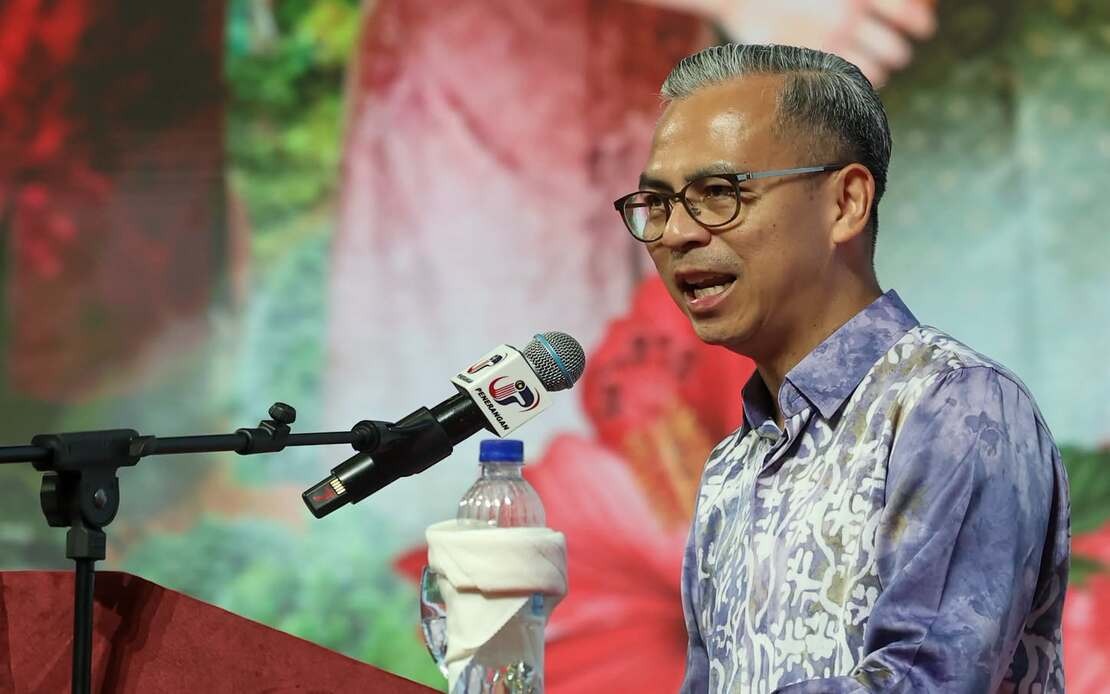
Communications Minister Datuk Seri Fahmi Fadzil has expressed his admiration for musician Faizal Tahir's latest composition, 'Aku Berjanji', which has been designated as the official theme song for next year's National Day and Malaysia Day (HKHM) commemorations. The minister's endorsement came during the unveiling of the campaign at an event held in Ipoh on July 19, marking the beginning of Malaysia's National Month celebrations and the nationwide Fly the Jalur Gemilang initiative.
The debut performance of 'Aku Berjanji' took place as Prime Minister Datuk Seri Anwar Ibrahim launched the broader HKHM celebrations campaign, signalling the government's push to build momentum for the landmark patriotic occasions. Fahmi took to social media to commend the accomplished singer and composer for crafting a song that resonates with core national values. His remarks underscored the symbolic importance of having a unifying cultural soundtrack that could rally Malaysians across diverse backgrounds as the country approaches these significant commemorative dates.
Through his message, Fahmi drew particular attention to the lyrical content of the composition, emphasising how 'Aku Berjanji' encapsulates sentiments of communal cohesion, collective strength and genuine affection for the nation. This thematic approach aligns with government messaging around fostering social harmony and national pride during a period when Malaysia is gearing up for what officials have characterised as particularly significant celebrations. The choice of an established and respected musical figure like Faizal Tahir to craft the theme reflects a deliberate strategy to leverage cultural influence in spreading patriotic messages to younger and broader demographics.
The announcement represents a continuation of Malaysia's tradition of commissioning specially composed songs for major national occasions. Such musical selections often become embedded in public memory and serve as acoustic symbols of nationhood. By selecting a musician with Faizal Tahir's creative credentials and popular following, the government has positioned the song to potentially achieve significant airplay and cultural penetration during the crucial months leading up to the 2026 celebrations.
Beyond celebrating the artistic achievement, Fahmi's intervention also served as a platform to reinforce civic responsibilities among Malaysians. He explicitly urged all citizens to display the Jalur Gemilang with appropriate respect and care, emphasising that flags should be maintained in pristine condition and mounted correctly throughout public spaces and homes. This attention to the physical presentation of national symbols reflects concerns about how Malaysians engage with patriotic expressions during peak celebration periods.
A particularly noteworthy element of Fahmi's messaging addressed the emerging challenges posed by artificial intelligence technology. The minister cautioned social media users against using AI tools to generate or manipulate images of the national flag, warning that such actions could inadvertently create distorted representations that undermine the dignity and sanctity of Malaysia's most revered symbol. This guidance reflects growing governmental awareness of how digital manipulation and misinformation can affect national institutions, even when undertaken without malicious intent.
The AI caveat signals a modernised approach to national symbol protection, moving beyond traditional legal frameworks to address contemporary technological capabilities. As deepfake technology and generative AI become increasingly accessible, authorities are recognising the need for public education around responsible digital citizenship. The minister's statement represents a soft-power approach that relies on voluntary compliance and civic consciousness rather than punitive measures alone.
The timing of this campaign launch carries particular significance as Malaysia approaches a period of national reflection. With 2026 marking another milestone in the nation's independence journey, cultural initiatives like the commissioned theme song serve to crystallise national identity and foster intergenerational dialogue about what Malaysia represents. The incorporation of a beloved local artist ensures that patriotic messaging reaches audiences who might otherwise remain disconnected from official government communications.
Faizal Tahir's involvement also demonstrates how the entertainment industry continues to serve as a vehicle for national narratives in Malaysia. His previous work has established him as an artist capable of crafting emotionally resonant compositions that speak to diverse audiences. By entrusting him with this high-profile assignment, government officials are signalling confidence in the power of culture to unite populations around shared national values.
Looking ahead, 'Aku Berjanji' is likely to feature prominently in official ceremonies, broadcast media, and community celebrations throughout the National Month period. The song's success in achieving cultural penetration will partly depend on whether it resonates authentically with Malaysians or comes across as purely utilitarian patriotic messaging. Faizal Tahir's reputation for thoughtful songwriting suggests the composition may transcend its official designation and develop a life of its own within popular culture.
The broader campaign framework, encompassing the theme song, the Jalur Gemilang initiative, and accompanying messaging around digital responsibility, reflects a multifaceted governmental approach to nation-building. Rather than relying solely on official pronouncements, authorities are engaging cultural figures and leveraging emotional and artistic appeal to cultivate national consciousness. For Malaysian audiences and regional observers, these coordinated efforts underscore how contemporary governments continue to deploy culture as a fundamental tool for social cohesion and political messaging.

