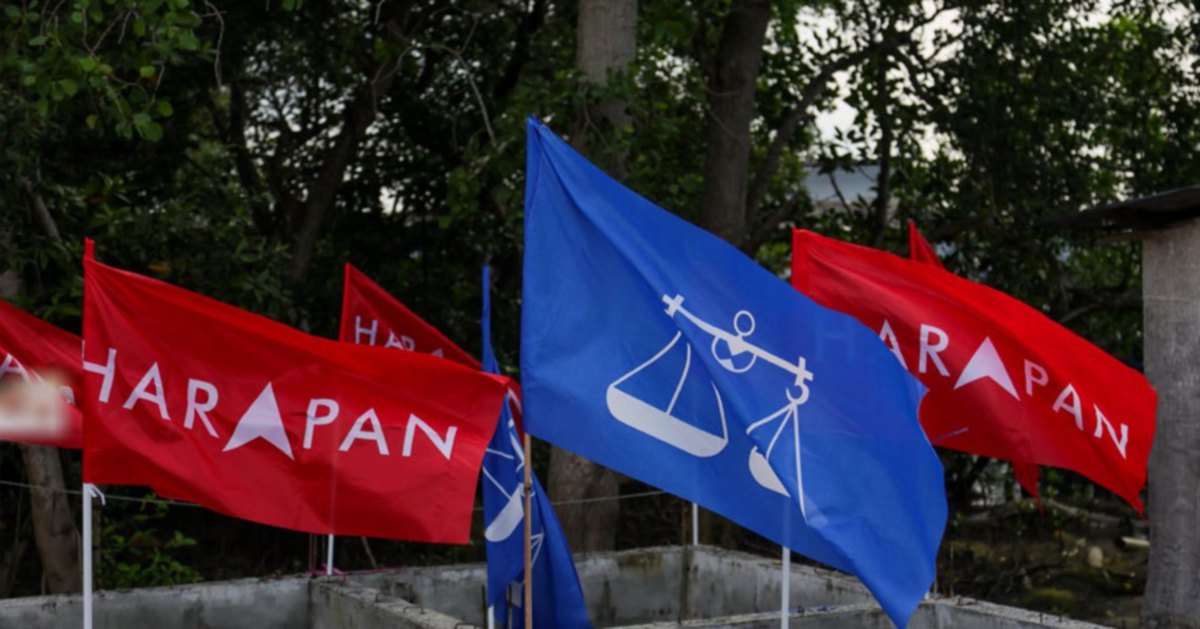
Pakatan Harapan's communications director Datuk Seri Fahmi Fadzil has publicly confirmed that the coalition's election director Datuk Seri Amirudin Shari conducted a meeting with PH chairman Datuk Seri Anwar Ibrahim during ongoing negotiations with Barisan Nasional over parliamentary seat allocations. The confirmation emerged in Putrajaya, underscoring the high-level engagement taking place within the ruling coalition as it seeks to finalise its electoral arrangements ahead of the next general election.
The meeting between Amirudin and Anwar represents a critical junction in discussions that have been gaining momentum as both coalitions work to iron out complex seat-sharing arrangements. These negotiations carry significant weight not only for the immediate political fortunes of the parties involved but also for the broader Malaysian political landscape, where coalition dynamics continue to reshape the electoral terrain established following the 2022 general election.
Seat distribution talks between PH and BN have become increasingly intricate, reflecting the delicate balance required to maintain the ruling coalition's parliamentary majority while accommodating the political interests of each constituent party. The involvement of senior figures like Amirudin, who oversees election strategy and operations, signals the priority these discussions command at the highest echelons of PH leadership. His engagement with Anwar directly indicates that technical negotiations at lower levels have progressed sufficiently to require presidential-level decision-making and alignment.
For Malaysian voters and political observers, these behind-the-scenes conversations hold considerable implications. The outcomes of seat negotiations will determine not just which seats individual parties contest but potentially which candidates will represent their respective parties in different constituencies. This cascading effect influences local representation, community advocacy, and the diversity of voices within the eventual parliamentary composition. The stakes extend beyond mere seat counts to encompass the quality of candidates fielded and the competitive intensity across different regions.
The timing of these confirmations also suggests momentum building toward a formal announcement of agreed arrangements. As negotiations approach their conclusion, the public acknowledgement of high-level meetings serves to calibrate expectations and signal to party members and supporters that discussions are advancing according to plan. This gradualist approach to disclosure helps manage the narrative and prevents speculation from overwhelming the actual negotiation process.
Within Southeast Asia's broader political context, Malaysia's coalition negotiations attract attention as the region grapples with similar questions about governing alliances, seat-sharing mechanisms, and the viability of multi-party coalitions. How PH and BN manage their distribution of constituencies will offer lessons or cautionary tales for other regional democracies navigating comparable challenges. The Malaysian model, whether successful or fraught, influences regional thinking about coalition governance and electoral pragmatism.
For Pakatan Harapan specifically, these negotiations require balancing several competing pressures. The coalition comprises parties with distinct ideological positions and electoral bases, each seeking to maximise their parliamentary representation and influence over government policy. Anwar's role as chairman involves mediating these internal tensions while maintaining PH's united front in negotiations with BN. Amirudin's election director responsibilities place him at the intersection of strategic planning and implementation, making his direct engagement with Anwar essential for translating negotiated agreements into operational campaign strategies.
Barisan Nasional's participation in these discussions reflects its repositioned role within Malaysian politics following the 2022 electoral realignment. Once the dominant coalition, BN now operates as junior partner within the ruling government, a shift requiring adjustment in how it approaches seat negotiations. The distribution agreed between PH and BN will inevitably reflect this power differential while attempting to preserve BN's electoral viability and relevance to its constituencies. The outcome must satisfy BN members that the arrangement offers genuine electoral opportunity rather than punishment for joining the government.
The confirmation by Fahmi Fadzil, whose portfolio encompasses external communication and party messaging, indicates that PH has decided the timing is appropriate to acknowledge these negotiations publicly. His role as communications director means such confirmations carry intentional messaging content. By confirming the meeting's occurrence while providing minimal additional detail, Fahmi likely aims to demonstrate that leadership is engaged and functioning cohesively without disclosing sensitive negotiation specifics that remain fluid.
Looking forward, Malaysian observers should anticipate formal announcements regarding agreed seat allocations within the foreseeable future. Such announcements typically follow a structured timeline that allows constituency-level parties adequate time to identify candidates, conduct selection processes if necessary, and prepare local campaign apparatus. The period between initial agreements and final candidate announcements often generates considerable internal party discussion and occasional friction as members compete for winnable seats or advocate for specific electoral positioning.
For ordinary Malaysians concerned with representative democracy and electoral fairness, these coalition negotiations underscore a fundamental reality: parliament's composition increasingly reflects bargains struck between party leadership rather than purely constituency-level preferences expressed through voting. While such negotiations remain standard practice in multiparty democracies globally, the Malaysian electorate's capacity to influence outcomes through electoral choice depends significantly on transparency regarding these arrangements and the extent to which negotiations result in genuine electoral competition rather than predetermined seat distributions that discourage voter participation.
The confirmation of Amirudin's meeting with Anwar thus marks not merely an internal administrative moment but a substantive development in Malaysia's political evolution. How PH and BN finalise their electoral partnership, and whether that partnership ultimately translates into effective governance or becomes mired in coalition tensions, will significantly influence Malaysian politics through the electoral cycle and potentially beyond.

