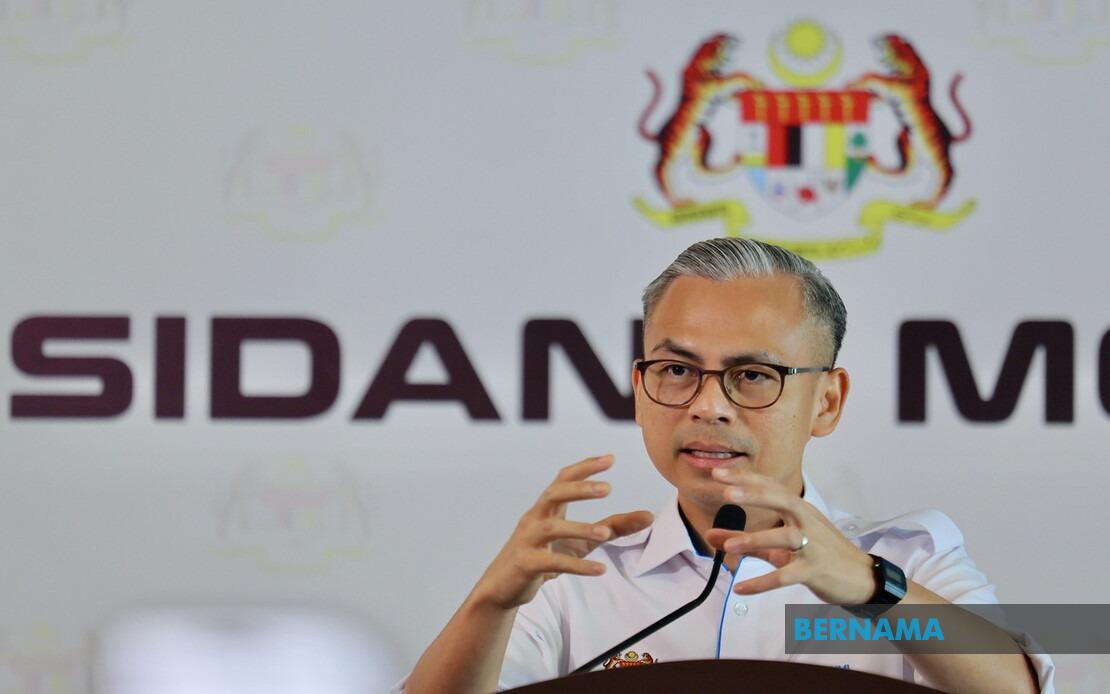
Malaysia's independence represents the accumulated sacrifice and determination of earlier generations whose contributions must remain at the forefront of national consciousness, Communications Minister Datuk Seri Fahmi Fadzil has stressed. Speaking ahead of the twin celebrations marking National Day and Malaysia Day, Fahmi underscored the enduring relevance of this historical foundation to contemporary nation-building efforts, arguing that understanding and honouring this legacy forms the bedrock upon which modern Malaysia continues to develop.
The minister's message reflects a broader governmental emphasis on social cohesion at a time when Malaysia faces diverse economic and social pressures. Fahmi called for continued strengthening of unity among citizens irrespective of race, religion, culture or socioeconomic background, positioning intercommunal harmony as essential to the nation's long-term stability and competitiveness. This appeal resonates particularly in a multicultural Southeast Asian context where ethnic and religious tensions occasionally surface in neighbouring countries, making Malaysia's track record of relative stability noteworthy by regional comparison.
Central to Fahmi's message is the notion of shared responsibility in nation-building. He framed patriotism not as a rhetorical exercise but as a practical commitment to collective welfare, suggesting that citizens should view national progress through a lens of inclusivity. This framing carries implications for how Malaysians understand their relationship to the state and fellow citizens, moving beyond passive acknowledgement of independence toward active participation in ensuring equitable development outcomes across the federation.
The 2026 celebrations adopt the theme "Malaysia MADANI: Kesejahteraan Dinikmati", which translates to prosperity enjoyed by all. This thematic choice is significant, as it directly addresses longstanding concerns about wealth distribution and regional disparities within Malaysia. By emphasising that development benefits should reach all Malaysians, the government appears to acknowledge public sentiment regarding inclusive growth, a concern heightened by post-pandemic economic pressures affecting middle and lower-income households across urban and rural areas alike.
Fahmi's articulation of mutual respect as a pillar of national strength suggests an underlying awareness that Malaysia's diversity, while historically managed relatively successfully through constitutional provisions and social compacts, requires constant reinforcement and active cultivation. The explicit mention of fostering such respect indicates recognition that goodwill between communities cannot be assumed but must be deliberately nurtured through consistent messaging and inclusive policymaking.
The minister's emphasis on Malaysia commanding respect on the global stage introduces a geopolitical dimension to domestic patriotism. This framing connects internal cohesion to external diplomatic standing, suggesting that national unity directly influences how Malaysia is perceived and positioned within regional and international forums. For a country navigating complex relationships with major powers and managing strategic interests in a contested region, internal stability and unified national positioning carry strategic weight.
Fahmi's invocation of "a spirit of togetherness and shared responsibility" as preconditions for building "a more inclusive, prosperous, peaceful and harmonious Malaysia" establishes an explicitly aspirational vision. Rather than claiming these conditions already exist, the language suggests they remain goals toward which the nation must actively work. This honest framing avoids triumphalism while maintaining optimism, likely intended to mobilise citizens around concrete objectives rather than abstract national pride.
The timing of these messages, released ahead of August 31 National Day and September 16 Malaysia Day, is strategically important. Both celebrations mark defining moments in Malaysian history—the former marking independence from British colonial rule, the latter commemorating the formation of the Malaysian federation incorporating Sabah and Sarawak. By addressing both occasions simultaneously, Fahmi reinforces that Malaysian identity encompasses multiple historical narratives and should accommodate the distinct perspectives and experiences of all constituent regions and communities.
For Malaysian readers, particularly those grappling with contemporary challenges ranging from cost-of-living pressures to political polarisation, Fahmi's message attempts to redirect public discourse toward shared national interests. The emphasis on prosperity being enjoyed collectively suggests implicit acknowledgment that social fractures widen when citizens perceive development benefits as unevenly distributed. This framing positions inclusive economic policy not merely as an administrative choice but as foundational to maintaining the patriotic unity Fahmi advocates.
The appeal for renewed patriotism also carries intergenerational significance. With independence now nearly seven decades past and Malaysia Day celebrations marking almost six decades since federation, younger Malaysians have no direct memory of pre-independence or pre-federation eras. Fahmi's message attempts to transmit the significance of these historical moments to citizens who experience Malaysia as an established nation rather than one recently freed from colonialism. This transmission of historical consciousness and civic responsibility represents an ongoing challenge for national institutions seeking to maintain collective memory and shared identity across generational divides.
In the Southeast Asian context, Malaysia's deliberate cultivation of multiethnic nationalism stands as a notable experiment. Fahmi's recurrent emphasis on transcending racial and religious boundaries reflects governmental commitment to this model, even as similar approaches face challenges elsewhere in the region. The message serves simultaneously as domestic exhortation and implicit assertion of Malaysia's distinctive political culture—one founded on negotiated accommodation among diverse communities rather than majoritarian nationalism.
Looking forward, the minister's call for Malaysians to move beyond passive celebration toward active participation in nation-building through responsible citizenship and mutual respect suggests the government views these festive occasions as opportunities for civic engagement rather than mere commemorations. This perspective positions National Day and Malaysia Day as moments for renewing social contracts and reaffirming commitments to principles of equality, dignity and collective prosperity that official narratives position as foundational to Malaysian identity.

