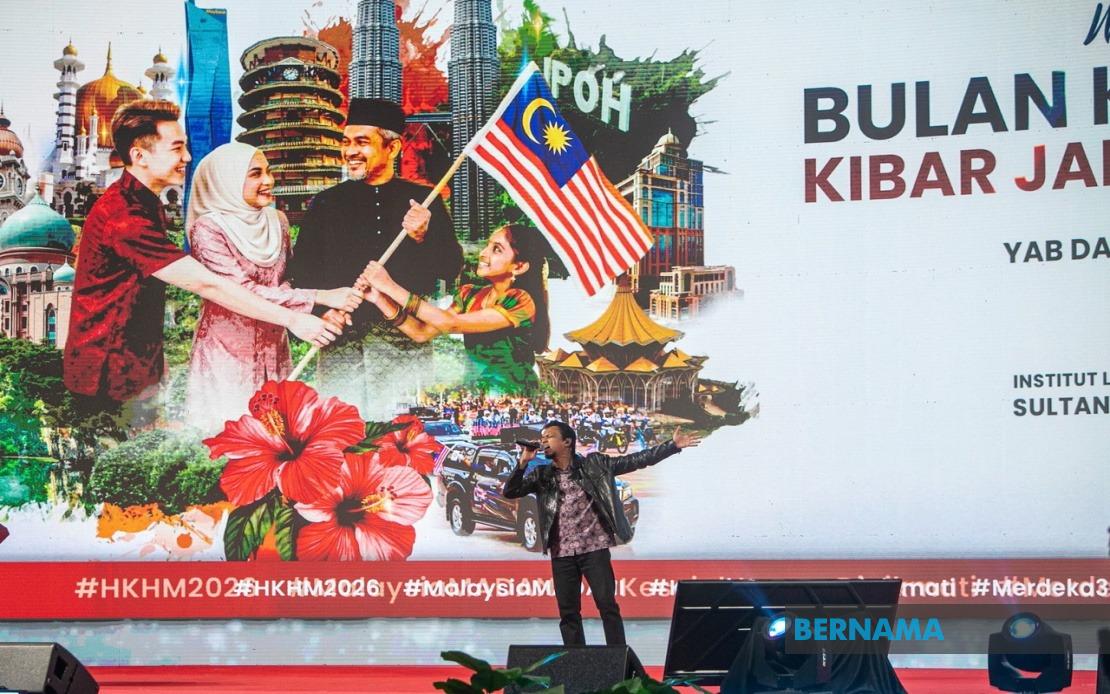
Malaysian singer Faizal Tahir has achieved a milestone in his career spanning nearly two decades with the selection of his composition 'Aku Berjanji' as the official theme song for the 2026 National Month and Fly the Jalur Gemilang Campaign. The two-minute-29-second track made its public debut during the launch event held at the Sultan Azlan Shah Ministry of Health Malaysia Training Institute, signalling the beginning of what organisers hope will become an anthem uniting the nation during its celebratory period.
The song reflects Faizal's artistic vision of conveying profound messages centred on collective harmony, national cohesion, and patriotic devotion. Speaking to media following the unveiling, the artist emphasised that the composition was crafted deliberately to resonate with Malaysians from diverse backgrounds and walks of life. He expressed gratitude for the recognition, noting that creating a work that could serve the nation represented a meaningful contribution after his lengthy presence within the entertainment landscape.
The production journey behind 'Aku Berjanji' spanned approximately four weeks, during which Faizal collaborated with his team to refine every musical and lyrical element. The conceptual foundation for a nationally themed composition took preliminary shape around May, providing sufficient lead time for the meticulous development process. This deliberate approach suggests that the producers invested considerable thought in ensuring the final product would appropriately represent Malaysia's values and aspirations.
Faizal's career trajectory offers useful context for understanding the significance of this selection. The singer gained widespread recognition following his appearance on the reality television programme One In A Million in 2006, where he achieved runner-up status. This early breakthrough propelled him into the mainstream consciousness and established the foundation for his sustained presence within Malaysia's music industry. Over the succeeding years, he has continued performing and creating music, building a loyal fanbase and earning respect from peers and industry observers alike.
The choice of 'Aku Berjanji' reflects broader governmental efforts to harness cultural and artistic platforms for strengthening national identity and cohesion. By selecting a prominent local artist and commissioning an original work specifically for the 2026 National Month celebration, Malaysian authorities signal their commitment to integrating popular culture into civic engagement strategies. This approach recognises that music possesses unique capacity to transcend linguistic, ethnic, and socioeconomic barriers that sometimes hinder communication of patriotic messages through conventional channels.
For Malaysian listeners, the selection carries implications beyond mere entertainment. During a period when the nation faces various socioeconomic challenges and requires renewed focus on collective purpose, a unifying cultural statement can contribute meaningfully to public discourse. The timing of the 2026 campaign provides opportunity to reinvigorate national spirit and remind citizens of shared heritage and common aspirations, particularly among younger generations who may connect more readily with contemporary musical expressions than traditional ceremonial formats.
Faizal's commitment to the project extends beyond simple commission work. His expressed hope that 'Aku Berjanji' will inspire Malaysians and foster unity through music reflects genuine artistic investment in the composition's potential impact. This authenticity matters considerably when cultural products serve patriotic functions, as audiences respond more positively to authentic expressions of national sentiment rather than perceived propaganda or superficial gestures.
The broader regional context also warrants consideration. Throughout Southeast Asia, governments increasingly recognise that cultural diplomacy and homegrown artistic productions serve important functions in maintaining social cohesion amid rapid modernisation and globalisation pressures. Malaysia's selection of a local artist and original composition for its 2026 national campaign aligns with this regional trend while demonstrating confidence in the capacity of domestic talent to represent national interests effectively on cultural platforms.
From an industry perspective, this recognition provides significant visibility and credibility to Faizal Tahir within Malaysia's entertainment sector. The endorsement of his work by government bodies responsible for national celebrations carries weight that extends beyond the immediate campaign period. Such official recognition can influence future opportunities, collaborations, and the artist's standing within industry hierarchies, while simultaneously validating original composition creation over derivative work.
The mechanics of the campaign launch at a Ministry of Health facility demonstrates deliberate integration of national themes across governmental bodies and institutions. Rather than limiting the celebration to ceremonial venues, the choice of a health ministry training institute suggests efforts to embed national sentiment within institutional frameworks that serve public welfare purposes. This approach potentially amplifies the campaign's reach and underscores how patriotic commitment manifests through institutional functioning and public service delivery.
Looking forward, the campaign period from now until 2026 will determine whether 'Aku Berjanji' achieves the unifying potential that Faizal and campaign organisers envision. Sustained promotion, integration across media platforms, and public reception will collectively influence whether the composition becomes embedded in national consciousness or remains associated primarily with formal celebratory events. The song's success ultimately depends not merely on its musical qualities but on whether ordinary Malaysians find genuine emotional resonance within its messages and choose to embrace it as genuinely representative of their own patriotic sentiments.

